
Take Back in Australian Sign Language (Auslan)
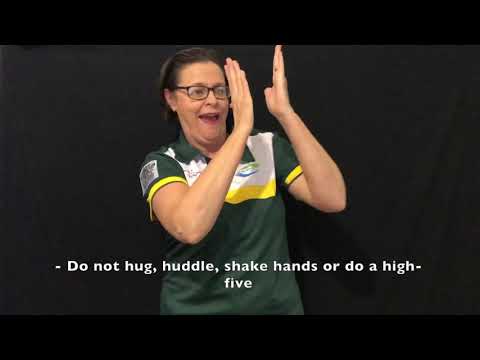
The sign for “take back” in Auslan conveys the action of retrieving or reclaiming something that was previously given or taken away. This sign is commonly used in everyday conversations, particularly when discussing returning items or ideas. It can also express the sentiment of reversing a previous decision or statement.
Table of Contents
How to Sign “Take Back In Auslan”
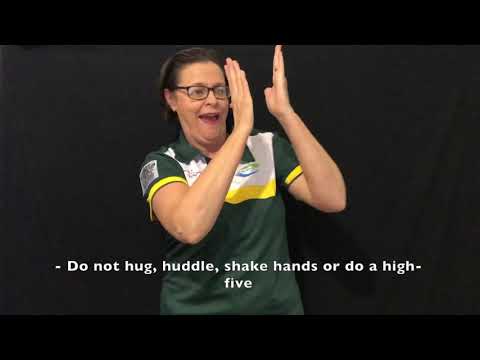
- Start with your dominant hand in a flat shape, palm facing down.
- Position your hand slightly in front of your body, at about chest height.
- With a quick motion, pull your hand back towards your body, as if you are retrieving something.
- As you move your hand, maintain a neutral facial expression, or depending on the context, you may show an expression that reflects your feelings about taking it back.
Common Mistakes
- Some learners may forget to keep their hand flat, which can lead to confusion with other signs.
- Not using enough motion when pulling the hand back can make the sign unclear.
- Facial expressions are often overlooked, but they are essential in conveying the correct emotion behind the action.
Related Signs
- 1 – The sign for the number one.
- 1 Dollar – The sign for one dollar.
- 10 – The sign for the number ten.
- 100 – The sign for one hundred.
- 11 – The sign for the number eleven.
Using “Take Back” in Everyday Conversations
Incorporating the sign “Take Back” in everyday conversations can greatly enhance communication and convey intent more clearly. Here are a few example sentences that demonstrate how to use this sign naturally:
- Friend 1: Can I borrow your book?
(Sign: TAKE BACK) Friend 2: Sure, but remember to TAKE BACK when you’re done. - Parent: Did you finish your homework?
(Sign: TAKE BACK) Child: I did, but I’ll TAKE BACK if I need help. - Colleague: I don’t want this extra task.
(Sign: TAKE BACK) Colleague 2: No problem, I can TAKE BACK that responsibility.
These situations often arise in casual conversations among friends, family, or colleagues, where the idea of returning or retracting something is relevant.
Cultural Notes
The sign “Take Back” plays an essential role in the Australian Deaf community, where communication relies heavily on context and shared understanding. The concept of “taking back” can signify not only physical objects but also social interactions or emotional exchanges. This sign is often used in discussions about responsibility and reciprocity, reflecting the community’s values of support and mutual aid.
Dialect variations can exist between Northern and Southern Australian Deaf communities, with slight differences in handshape or facial expressions. While the core sign remains the same, regional nuances may influence how “Take Back” is expressed. Engaging with members from different areas can enrich your understanding of these subtle variations.
Tips for Learning This Sign
Practicing the sign “Take Back” effectively can help reinforce your memory and usage in conversations. Here are some concrete tips to consider:
- Mirror Practice: Stand in front of a mirror and practice the sign. This will help you observe your handshape and movement, ensuring accuracy.
- Watch for Non-Manual Features: Pay attention to facial expressions and body language while signing. These elements convey emotions and context, enhancing the meaning of “Take Back.”
- Use in Short Signed Sentences: Create simple sentences involving “Take Back.” Regularly using the sign in context will help solidify your understanding and recall.
Practicing consistently will not only improve your signing skills but also boost your confidence in using “Take Back” in various conversations.
Frequently Asked Questions
How can I use “take back” in a sentence?
You can say, “I want to take back my book,” by signing “I” followed by “take back” and then the sign for “book.”
Are there regional variations for this sign?
What signs are similar to “take back”?
Signs like “give,” “return,” and “receive” are related, but each has distinct movements and meanings.
How does this sign compare to BSL?
In British Sign Language (BSL), the sign for “take back” may differ significantly in movement and handshape.
What are some teaching tips for this sign?
Practice in front of a mirror to ensure your hand shape and movement are clear. Use visual aids to help remember the sign’s context.
Practice This Sign
Try signing Take Back In Auslan with your camera and get AI coaching on your handshape, movement, and location.
Free · No signup required