
Talent in Australian Sign Language (Auslan)
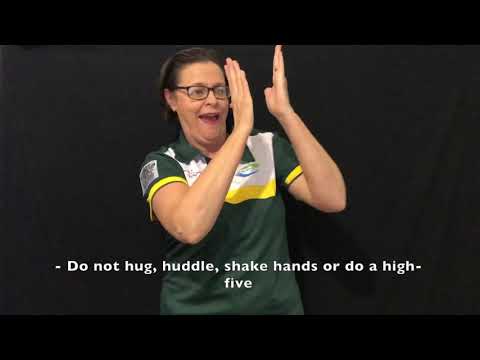
The sign for “talent” in Auslan (Australian Sign Language) captures the idea of a special skill or natural ability. It is often used in conversations about hobbies, careers, or personal achievements. Whether discussing artistic talents or professional skills, this sign is a valuable addition to your Auslan vocabulary.
Table of Contents
How to Sign “Talent”
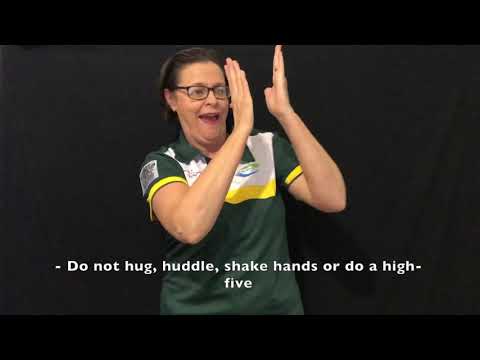
- Start with your dominant hand in a flat handshape (like the letter “B”).
- Position your hand in front of your chest, palm facing towards you.
- Move your hand slightly forward and upward, as if showcasing an ability or skill.
- Maintain a positive facial expression to emphasize the meaning of talent.
Common Mistakes
- Forgetting to use facial expressions, which are crucial in Auslan for conveying emotions and context.
- Using the wrong handshape; ensure your hand is flat and not in a fist.
- Rushing the movement; slow, deliberate signing helps with clarity.
Related Signs
- 1 – The sign for the number one, useful in counting or listing talents.
- 1 Dollar – Sign indicating a single dollar, often used in financial discussions.
- 10 – The sign for the number ten, helpful for emphasizing multiple talents or skills.
- 100 – Represents the number one hundred, can be used in contexts of achievement.
- 15 – The sign for fifteen, useful when discussing age or experience in relation to talents.
Using “Talent” in Everyday Conversations
Incorporating the sign for “Talent” into everyday conversations can enrich your interactions and help express admiration for someone’s abilities. Here are a few example sentences that demonstrate how to use the sign naturally:
- Sentence: “My friend has talent in painting.”
Auslan Sign Order: “MY FRIEND TALENT PAINT”
Situation: This can come up when discussing a friend’s skills or hobbies at a social gathering. - Sentence: “She shows her talent in dancing.”
Auslan Sign Order: “SHE TALENT DANCE SHOW”
Situation: This sentence is useful during conversations about performances or artistic showcases. - Sentence: “His talent for music is impressive.”
Auslan Sign Order: “HIS TALENT MUSIC IMPRESS”
Situation: This might come up in discussions about musical events or personal achievements.
Cultural Notes
The concept of “Talent” holds significant value within the Australian Deaf community, where artistic and performance skills are often celebrated. Many Deaf Australians participate in cultural events, such as Deaf theatre, poetry slams, and visual arts, showcasing their unique talents. The appreciation of talent extends beyond mere ability; it reflects the community’s pride in Deaf culture and the richness it brings to Australian society. Additionally, while Auslan is relatively uniform across Australia, there can be slight variations in how “Talent” is signed in northern versus southern regions. Observing these nuances can provide insights into local Deaf culture.
Tips for Learning This Sign
Practicing the sign for “Talent” effectively can enhance your retention and usage. Here are some tips to help you learn:
- Mirror Practice: Use a mirror to practice the sign while observing your hand shape and movement. This helps reinforce muscle memory.
- Watch for Non-Manual Features: Pay attention to facial expressions and body language that accompany the sign. These non-manual features can add depth to your meaning.
- Use in Short Sentences: Incorporate “Talent” into simple sentences during conversations or practice sessions. This contextualizes the sign and makes it easier to remember.
By integrating these practices, you can build confidence in using “Talent” in Auslan and enhance your overall communication skills.
Frequently Asked Questions
How can I use “talent” in a sentence?
You might say, “I have a talent for painting,” by signing “I” + “TALENT” + “PAINT.” The sentence structure is flexible in Auslan.
Are there regional variations of this sign?
While the sign for “talent” is fairly consistent, some regions may have slight variations in movement or facial expression. Observing local signers can be helpful.
What signs are similar to “talent”?
Signs for “skill” or “ability” can sometimes overlap with “talent.” Context will clarify the meaning.
How does this compare to BSL?
British Sign Language has its own signs for “talent,” which may look different. It’s essential to learn the specific signs for each language.
Do you have tips for teaching this sign?
Encourage students to practice in pairs and incorporate facial expressions. Using examples from personal experiences can make learning more engaging.
Practice This Sign
Try signing Talent In Auslan with your camera and get AI coaching on your handshape, movement, and location.
Free · No signup required