
Tale in Australian Sign Language (Auslan)
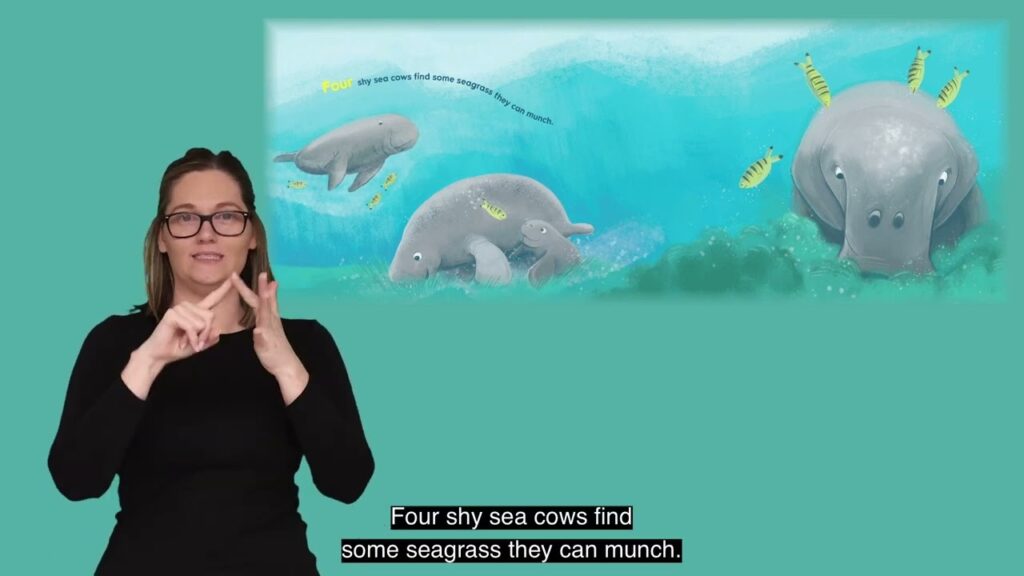
The sign for “tale” in Auslan (Australian Sign Language) represents storytelling and is often used when sharing narratives, folklore, or personal experiences. This sign is commonly used in both formal storytelling contexts and casual conversations among friends and family.
Table of Contents
How to Sign “Tale”
- Start with your dominant hand in a flat handshape (like a “B” handshape) with your palm facing down.
- Position your hand near your chin, slightly to the side of your face.
- Move your hand outward and slightly forward in a gentle arc, as if you are extending the story to your audience.
- Maintain an engaging facial expression, using your eyes and mouth to convey emotion and excitement in the tale.
Common Mistakes
- Forgetting to use facial expressions, which are crucial for conveying the tone and emotion of the tale.
- Using a flat handshape instead of the proper “B” handshape, which can lead to confusion.
- Not moving your hand outward enough, making the sign feel small and less engaging.
Related Signs
- 1 – Represents the number one.
- 10 – Represents the number ten.
- 11 – Represents the number eleven.
- 12 – Represents the number twelve.
- 13 – Represents the number thirteen.
Using “Tale” in Everyday Conversations
Incorporating the sign for “Tale” into everyday conversations can enrich your communication and storytelling. Here are a few example sentences that show how this sign can fit naturally into dialogue:
- “I love the TALE my grandmother tells.” — This might come up during family gatherings where stories from the past are shared.
- “Can you share a TALE from your travels?” — This is a great way to prompt friends to recount their experiences during casual meet-ups.
- “The TALE in that book was captivating!” — You might use this when discussing literature or recommending a book to someone.
These examples highlight how “Tale” can be seamlessly integrated into discussions, making storytelling a vibrant part of your interactions.
Cultural Notes
The concept of storytelling holds significant importance in the Australian Deaf community. Tales are often conveyed not just through signs but through a rich tapestry of facial expressions and body language, which enhance the narrative. This deep-rooted tradition helps to preserve cultural heritage and fosters a sense of belonging among community members.
While Auslan is primarily consistent across Australia, regional variations may exist. For example, certain signs or storytelling styles may differ slightly between northern and southern dialects. Engaging with local Deaf communities can provide insights into these nuances and enrich your understanding of the sign “Tale” in a culturally relevant context.
Tips for Learning This Sign
Practicing and retaining the sign for “Tale” can be effective if you incorporate a few strategies:
- Mirror Practice: Stand in front of a mirror while practicing the sign. This visual feedback helps ensure that your handshape and movement are accurate.
- Watch for Non-Manual Features: Pay attention to facial expressions and body posture when signing “Tale.” These non-manual features add depth to your signing and can change the meaning or emphasis of the sign.
- Use in Short Signed Sentences: Create simple sentences that include “Tale” and practice them in context. This will help reinforce your memory and fluency, making it easier to use in conversation.
With consistent practice and engagement, you’ll find the sign for “Tale” becoming a natural part of your Auslan vocabulary.
Frequently Asked Questions
How can I use “tale” in a sentence?
You can say, “I want to tell a tale about my childhood,” by signing “I” + “want” + “tell” + “tale” + “about” + “my” + “childhood.”
Are there regional variations for this sign?
Yes, some regions may have slight variations in the sign, so it’s good to observe local signers.
Is there a similar sign in BSL?
Yes, BSL has a sign for “story” that may look different, so it’s best to learn the specific signs for each language.
What are some tips for teaching this sign?
Encourage students to practice storytelling and incorporate facial expressions to enhance their signing.
Can I use this sign in formal settings?
Absolutely! The sign works well in both informal and formal storytelling contexts.
How can I improve my storytelling in Auslan?
Practice with engaging stories, focus on facial expressions, and watch fluent signers to learn techniques.
Practice This Sign
Try signing Tale In Auslan with your camera and get AI coaching on your handshape, movement, and location.
Free · No signup required