
Magnetic Resonance Imaging in Australian Sign Language (Auslan)

The sign for “Magnetic Resonance Imaging” (MRI) in Auslan is used primarily in medical contexts, especially when discussing imaging procedures. It helps convey important information during healthcare discussions and appointments. Understanding this sign can enhance communication between Deaf patients and medical professionals.
Table of Contents
How to Sign “Magnetic Resonance Imaging”
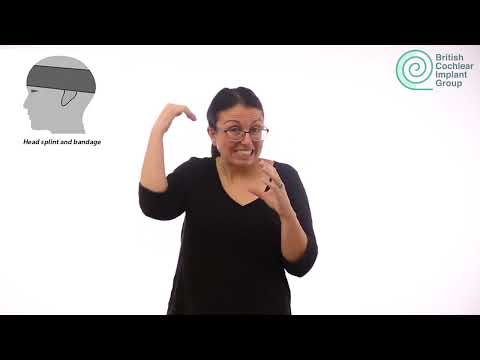
- Start with your dominant hand in a flat shape, palm facing down, and position it slightly above your non-dominant hand, which is also flat and facing up.
- Move your dominant hand in a circular motion over your non-dominant hand while keeping both hands steady. This movement symbolizes the process of imaging.
- As you make the circular motion, gently raise your eyebrows to indicate that you are discussing a medical procedure, ensuring your facial expression reflects focus and seriousness.
Common Mistakes
- Not using the appropriate facial expression can lead to misunderstanding; remember to convey seriousness.
- Some learners may confuse the hand shapes, using a fist instead of a flat hand, which alters the meaning.
- Forgetting the circular motion can make the sign less clear; ensure you practice this movement for clarity.
Related Signs
- 1 – The sign for the number one.
- 10 – The sign for the number ten.
- 100 – The sign for the number one hundred.
- 15 – The sign for the number fifteen.
- 16 – The sign for the number sixteen.
Using “Magnetic Resonance Imaging” in Everyday Conversations
In casual conversations, the sign for “Magnetic Resonance Imaging” often comes up in medical contexts, especially when discussing health, diagnoses, or procedures. Here are a few example sentences where this sign fits naturally:
- Example 1: “I had a Magnetic Resonance Imaging last week, and the results were normal.”
- Example 2: “The doctor recommended a Magnetic Resonance Imaging to check my knee injury.”
- Example 3: “My friend is nervous about getting a Magnetic Resonance Imaging for her headache.”
Such sentences can naturally arise during discussions about health issues, appointments, or personal experiences with medical care, making it essential to be fluent in this vocabulary.
Cultural Notes
The sign for “Magnetic Resonance Imaging” holds particular significance within the Australian Deaf community, where health literacy is crucial. Deaf individuals often face challenges in accessing healthcare information, making it important to be well-versed in medical terminology, including signs like this one. The community values clear communication with healthcare providers, and effective use of this sign can facilitate better understanding and access to necessary medical procedures.
While Auslan is generally consistent across Australia, some regional variations may occur. For instance, while the core sign for “Magnetic Resonance Imaging” remains largely the same, there may be slight differences in the accompanying facial expressions or non-manual features between Northern and Southern dialects. Being aware of these variations can enhance communication and understanding within diverse Deaf communities.
Tips for Learning This Sign
To effectively learn and remember the sign for “Magnetic Resonance Imaging,” consider the following tips:
- Mirror Practice: Stand in front of a mirror and practice the sign repeatedly. This helps refine your handshape and movements while allowing you to observe your facial expressions.
- Watch for Non-Manual Features: Pay attention to the facial expressions and body language that accompany the sign. These non-manual features convey additional meaning and context.
- Use in Short Signed Sentences: Incorporate the sign into short, relevant sentences with friends or in practice groups. Contextual use reinforces learning and makes it easier to recall in real conversations.
By using these strategies, you’ll be well-equipped to confidently incorporate “Magnetic Resonance Imaging” into your Auslan vocabulary.
Frequently Asked Questions
How can I use “magnetic resonance imaging” in a sentence?
You can say, “The doctor scheduled my magnetic resonance imaging for next week.”
Are there regional variations for this sign?
While the core sign remains consistent, some regions may have slight variations in hand movement or facial expressions.
Is there a similar sign in BSL?
Yes, while the structure may differ, BSL has its own sign for MRI that conveys the same concept.
Can I use this sign in a casual conversation?
This sign is generally used in medical contexts, so it’s best reserved for relevant discussions rather than casual chats.
What tips do you have for teaching this sign?
Encourage learners to practice the movement in front of a mirror to ensure they capture the correct hand shapes and facial expressions.
Practice This Sign
Try signing Magnetic Resonance Imaging In Auslan with your camera and get AI coaching on your handshape, movement, and location.
Free · No signup required