
Taint in Australian Sign Language (Auslan)
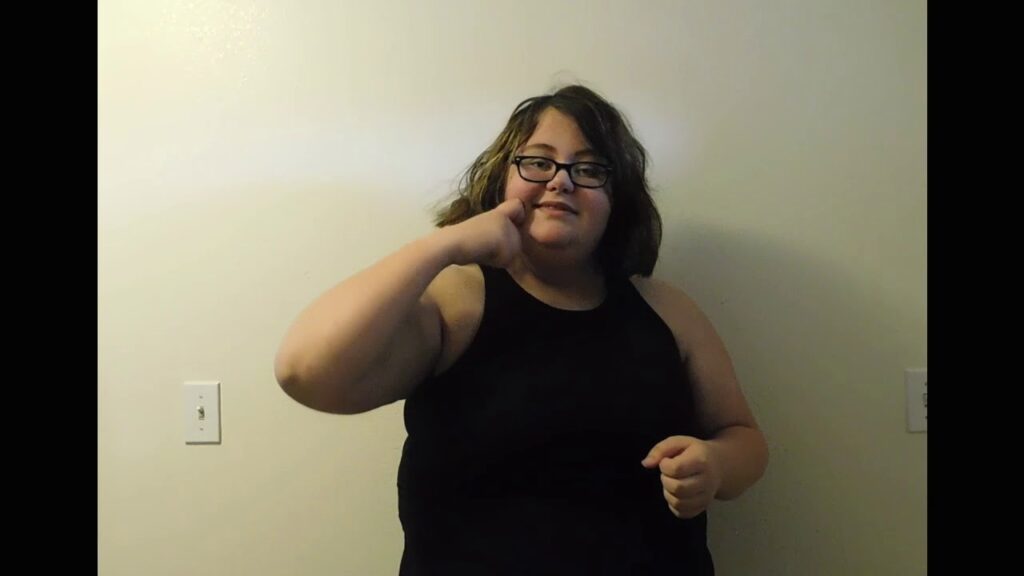
The sign for “taint” in Auslan refers to a specific area of the body, often used in discussions around anatomy or health. It can also arise in casual conversations among friends. Understanding this sign can help facilitate more engaging and clear communication.
Table of Contents
How to Sign “Taint”

- Start with your dominant hand in a flat handshape (like a ‘B’ hand). Keep your fingers together and your thumb extended.
- Position your hand near the lower abdomen area, just above the waistline.
- Gently move your hand in a small circular motion, maintaining the flat handshape, while keeping your facial expression neutral or slightly playful.
- Make sure to maintain eye contact with your conversation partner to enhance understanding and engagement.
Common Mistakes
- Some learners may use a different handshape; remember to keep the flat handshape to convey the correct meaning.
- Moving the hand too far away from the body can confuse the meaning; ensure it’s close to the lower abdomen.
- Forgetting to maintain facial expressions can lead to misinterpretation; always try to connect facially with your audience.
Related Signs
- 1 – The sign for the number one.
- 1 Dollar – The sign representing one dollar.
- 10 – The sign for the number ten.
- 100 – The sign for one hundred.
- 11 – The sign for the number eleven.
Using “Taint” in Everyday Conversations
The sign “taint” can be effectively used in a variety of everyday conversations, particularly when discussing preferences or feelings. Here are a couple of example sentences:
- Example 1: “I thought the movie would be good, but it was taint.”
(Context: This could come up in a discussion about a film recommendation among friends.) - Example 2: “That cake looks delicious, but the frosting is taint.”
(Context: Used during a gathering where food is being shared, expressing a personal opinion on a dish.)
Using “taint” in these contexts allows for a casual expression of disappointment or a lack of enthusiasm, making conversations feel more relatable and engaging.
Cultural Notes
In the Australian Deaf community, the sign “taint” carries a nuanced understanding that reflects both cultural identity and language use. It is often used humorously or playfully to convey mild dissatisfaction without being overly negative. This sign can vary slightly in its execution across different regions of Australia, with northern and southern dialects sometimes influencing the speed or intensity of the sign. Understanding these local variations can deepen one’s connection with the community and enhance communication.
Tips for Learning This Sign
Practicing the sign “taint” effectively can enhance your Auslan skills. Here are some strategies to help you remember and use it confidently:
- Mirror Practice: Stand in front of a mirror and practice the sign while watching your own movements. This helps reinforce muscle memory.
- Watch for Non-Manual Features: Pay attention to facial expressions and body language that accompany the sign. These features can change the meaning and enhance the effectiveness of your communication.
- Use in Short Signed Sentences: Incorporate “taint” in simple sentences during practice sessions. For example, “This weather is taint” can help you get comfortable using it in context.
Regular practice with these techniques will help you feel more confident in using “taint” and enrich your conversations in Auslan.
Frequently Asked Questions
How can I use “taint” in a sentence?
You can say, “I feel discomfort in my taint” by signing the relevant signs in sequence.
Are there regional variations for this sign?
There might be slight variations in how it’s signed based on location, so it’s good to observe local signers.
Are there similar signs in Auslan?
Yes, there are signs for related body parts that may look similar but have distinct meanings.
How does this sign compare to BSL?
While there may be some overlap, BSL has different signs for the same meanings, so it’s important to learn the respective sign languages.
Any teaching tips for this sign?
Practice in front of a mirror to ensure your handshape and movement are accurate, and ask for feedback from proficient signers.
Practice This Sign
Try signing Taint In Auslan with your camera and get AI coaching on your handshape, movement, and location.
Free · No signup required