
Palm in Australian Sign Language (Auslan)

The sign “palm in auslan” refers to the orientation of the palm when signing. It is commonly used in various contexts, such as showing direction, expressing emotions, or indicating specific actions. Mastering this sign can enhance clarity in communication within the Deaf community.
Table of Contents
How to Sign “Palm”
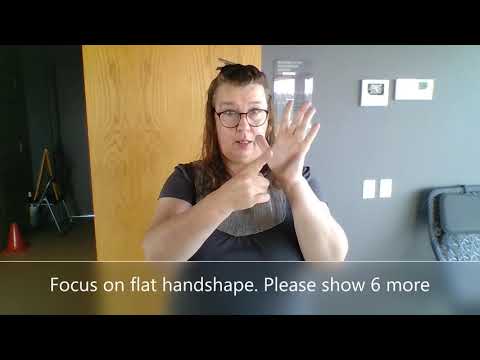
- Begin with your dominant hand in an open position, palm facing outward.
- Keep your fingers extended and together, ensuring a flat hand shape.
- Position your hand at shoulder height, with your arm slightly bent.
- Move your hand in a gentle circular motion or towards the intended direction, maintaining the palm’s outward position.
- Facial expressions should reflect the context of your message, such as curiosity or enthusiasm.
Common Mistakes
- Forgetting to keep the fingers together, which can change the meaning.
- Using a fist instead of an open hand, leading to confusion.
- Not incorporating appropriate facial expressions, which are vital for conveying emotion and intent.
Related Signs
- 1 – The sign for the number one.
- 1 Dollar – Indicates one dollar in monetary contexts.
- 10 – Represents the number ten.
- 100 – The sign for one hundred.
- 11 – Used for the number eleven.
Using “Palm” in Everyday Conversations
The sign for “Palm” can be integrated into various everyday conversations, especially when discussing topics related to touch, gestures, or even emotions. Here are a few example sentences:
- “I love the feeling of warm sand on my palm.” — This sentence might come up during a discussion about a beach outing or holiday plans.
- “Can you show me the sign for ‘thank you’ with your palm?” — This is a common request when learning Auslan signs and asking for clarification on how to use the palm in signing.
- “Place your palm here to feel the vibration.” — This could arise in a conversation about sensory experiences or demonstrations, such as feeling a phone’s vibration.
Cultural Notes
In the Australian Deaf community, the sign for “Palm” carries significance beyond its literal meaning. It is often used in storytelling and expressive signing, highlighting the importance of gestures in conveying emotions and experiences. The palm is symbolic of openness and receptiveness, representing how Deaf individuals communicate and share their experiences.
While Auslan is relatively consistent across Australia, there can be slight variations in signs based on regional dialects. In some northern areas, the palm might be used with a more exaggerated motion, while southern signing may incorporate subtler movements. Understanding these nuances can enhance communication and foster a deeper connection within the community.
Tips for Learning This Sign
Practising the sign for “Palm” can be both fun and effective when approached creatively. Here are some tips to help you learn and remember it:
- Mirror Practice: Stand in front of a mirror and practice the sign. This allows you to see your hand positioning and movements, ensuring accuracy.
- Watch for Non-Manual Features: Pay attention to facial expressions and body language while signing. These non-manual features can enhance the meaning of your sign.
- Use in Short Signed Sentences: Incorporate the sign into simple sentences with everyday vocabulary. The more you use it in context, the more natural it will become.
Engaging with the Deaf community through social events or sign language classes can also provide valuable opportunities for practice and feedback.
Frequently Asked Questions
How can I use “palm in auslan” in a sentence?
You can use it to indicate direction, such as saying, “The door is over there,” while showing the palm in that direction.
Are there regional variations for this sign?
While “palm in auslan” is generally consistent, some regions may have subtle differences in movement or facial expressions.
What similar signs should I know?
Similar signs include those for numbers like 12 and 15, which also use a specific palm orientation.
How does this compare to BSL?
In British Sign Language (BSL), the sign may look different, emphasizing the importance of learning signs specific to each language.
Any tips for teaching this sign?
Encourage learners to practice in front of a mirror to ensure correct hand shape and facial expressions.
Practice This Sign
Try signing Palm In Auslan with your camera and get AI coaching on your handshape, movement, and location.
Free · No signup required