
Pair in Australian Sign Language (Auslan)
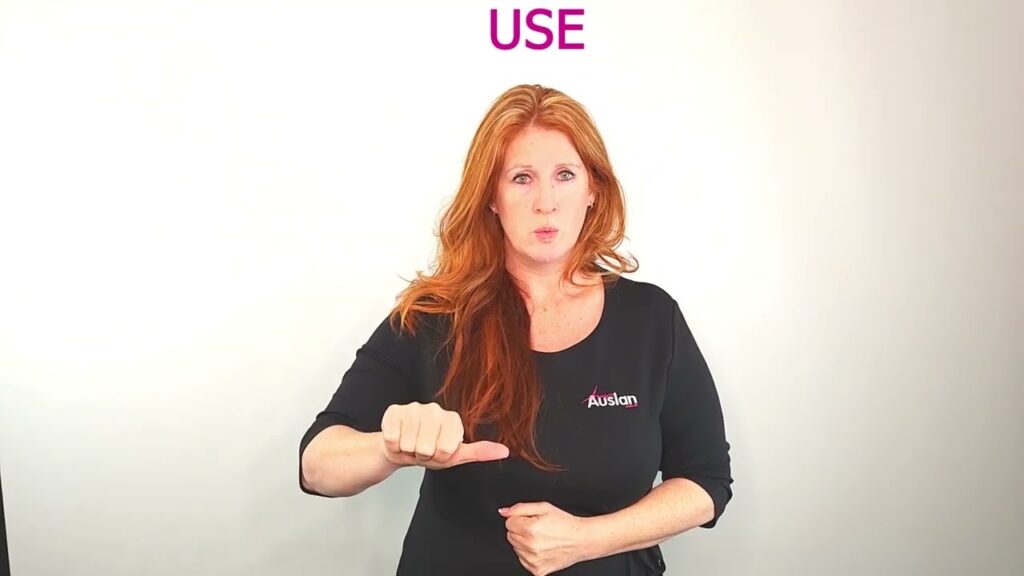
The sign for “pair” in Auslan signifies two items that are typically matched or related, like shoes or socks. It’s commonly used in everyday conversations to express the idea of things that go together.
Table of Contents
How to Sign “Pair”
- Start with both hands in a flat “B” handshape, with fingers extended and together.
- Position your hands in front of your chest, palms facing each other.
- Bring your hands together, so they meet in the center, then slightly pull them apart, maintaining the “B” shape.
- As you move your hands apart, maintain a slight smile to indicate the positive nature of a pair.
Common Mistakes
- Using a closed fist instead of the flat “B” handshape, which can change the meaning of the sign.
- Not keeping the hands together long enough before separating them, which may confuse the sign’s intended meaning.
- Failing to incorporate facial expressions, which are important in conveying emotion and emphasis in sign language.
Related Signs
- 1 – The sign for the number one, often used in counting.
- 10 – The sign for the number ten, useful for larger counts.
- 100 – The sign for the number one hundred, helpful in financial discussions.
- 12 – The sign for the number twelve, frequently used in dates and times.
- 1 Dollar – The sign representing one dollar, useful in monetary contexts.
Using “Pair” in Everyday Conversations
The sign “Pair” can be incorporated into various everyday conversations, particularly when discussing items that come in sets or matching objects. Here are a few example sentences:
- “I bought a pair of shoes.”
- “Do you have a pair of socks that match this shirt?”
- “They are a pair of best friends.”
These examples show how “pair” can come up in casual conversations about shopping, clothing, or friendships, making it a useful sign in a variety of contexts.
Cultural Notes
In the Australian Deaf community, the concept of “pair” is often linked to social dynamics, such as friendships and partnerships. The term can signify not just physical items but also the bond between two people who complement each other. It’s important to recognize that signs may vary slightly across different regions in Australia, with some Deaf individuals in northern areas using a slightly different handshape than those in southern regions. These variations highlight the rich diversity within the Auslan language and the cultural identity of the Deaf community.
Tips for Learning This Sign
Practicing the sign “Pair” can be both fun and effective with the right techniques:
- Mirror Practice: Stand in front of a mirror to observe your handshapes and movements. This will help you ensure that your signing is clear and accurate.
- Watch for Non-manual Features: Pay attention to facial expressions and body language that accompany the sign. These non-manual features can add emphasis and context that enhance understanding.
- Use in Short Signed Sentences: Incorporate “pair” into your daily conversation by creating short signed sentences. For example, when you’re with a friend, sign “look at our pair of drinks!” This will help reinforce your memory of the sign in a practical context.
Consistent practice using these methods will help you become more comfortable and fluent with the sign “pair.”
Frequently Asked Questions
How can I use “pair” in a sentence?
You can say, “I need a pair of shoes,” by signing “I need pair shoes.”
Are there regional variations for this sign?
What are some signs similar to “pair”?
Signs like “couple” or “set” share related meanings and can be used in similar contexts.
How does “pair” compare to BSL?
The sign for “pair” in British Sign Language (BSL) differs slightly, focusing more on the concept of matching rather than the specific handshape.
What are some teaching tips for this sign?
Encourage learners to practice with a partner to reinforce the idea of pairing, and emphasize the importance of facial expressions in sign language.
Practice This Sign
Try signing Pair In Auslan with your camera and get AI coaching on your handshape, movement, and location.
Free · No signup required