
U.s. in Australian Sign Language (Auslan)
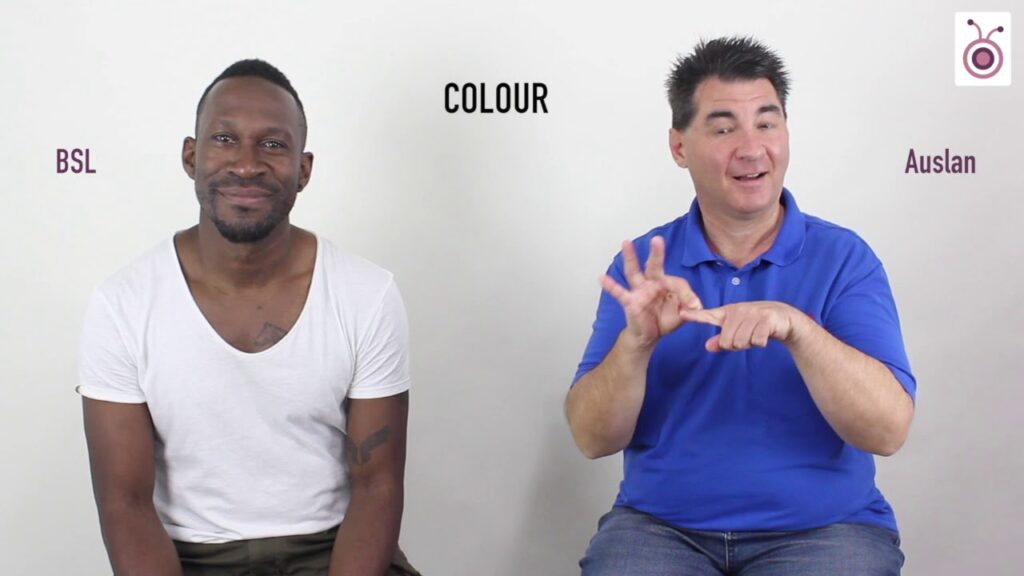
The sign for “U.S. in Auslan” represents the United States and is commonly used in conversations about geography, culture, and travel. It’s particularly useful when discussing topics related to American events, locations, or experiences. This sign helps connect the Deaf community with global conversations about the U.S.
Table of Contents
How to Sign “U.S.”
- Start with your dominant hand in a flat “B” hand shape (with fingers extended together and palm facing forward).
- Position your hand in front of your chest, slightly to the right side.
- Gently move your hand forward and slightly upward, maintaining the “B” hand shape throughout the movement.
- As you perform the sign, keep a neutral facial expression or slightly nod to convey affirmation.
Common Mistakes
- Some learners may confuse the handshape with a fist instead of the flat “B” hand shape.
- Moving the hand too quickly can make the sign hard to understand; slow, deliberate movements are key.
- Not maintaining the proper hand position can lead to misinterpretation of the sign.
Related Signs
- 1 – The sign for the number one.
- 1 Dollar – The sign for one dollar.
- 10 – The sign for the number ten.
- 100 – The sign for one hundred.
- 11 – The sign for the number eleven.
Using “U.s.” in Everyday Conversations
The sign “U.s.” often comes up in discussions about travel, culture, or international news. Here are some example sentences that illustrate its usage in natural conversation:
- Conversation about Travel: “I am going to U.s. next month.” (U.s. NEXT MONTH I GO)
- Discussion about Events: “Did you hear about the festival in U.s.?” (U.s. FESTIVAL HEAR?)
- Talking about Friends: “My friend lives in U.s.” (MY FRIEND U.s. LIVE)
These sentences show how the sign fits smoothly into everyday conversations, making it easy to reference the United States in various contexts.
Cultural Notes
The sign “U.s.” is significant in the Australian Deaf community as it represents not only a location but also a cultural connection. Many Deaf Australians may have friends or family in the U.S. or may have visited for educational or cultural exchanges. It’s common for Deaf Australians to attend events or conferences in the U.S., which further strengthens this connection.
In terms of dialect, there may be slight variations in how “U.s.” is signed in northern versus southern regions of Australia. However, the core sign remains widely understood, and any regional differences are typically minimal. Regardless of these variations, the sign is recognized across the Deaf community, promoting inclusivity and shared understanding.
Tips for Learning This Sign
Practicing the sign “U.s.” effectively involves a few engaging strategies:
- Mirror Practice: Use a mirror to practice your sign. This helps you see your handshape and movement, ensuring you’re making the sign correctly.
- Watch for Non-Manual Features: Pay attention to facial expressions and body language while signing. These non-manual features enhance the meaning of your signs and make your communication richer.
- Use in Short Signed Sentences: Incorporate “U.s.” into different sentences as practice. This not only reinforces the sign but also helps you become comfortable with its usage in various contexts.
By integrating these practices into your learning routine, you’ll find it easier to remember and use the sign “U.s.” confidently in conversations.
Frequently Asked Questions
How can I use “U.S. in Auslan” in a sentence?
You might say, “I am traveling to the U.S. in Auslan,” while signing the phrase to clarify your destination.
Are there regional variations for this sign?
Generally, the sign remains consistent across different regions, but it’s always good to check with local Deaf communities.
What are some similar signs?
Signs for other countries like Canada or Australia have distinct handshapes and movements that differ from the U.S. sign.
How does this compare to BSL?
In BSL, the sign for the U.S. may have a different handshape and movement, highlighting the variations between sign languages.
What tips do you have for teaching this sign?
Encourage learners to practice in pairs and provide feedback on handshape and movement to ensure clarity.
Practice This Sign
Try signing U.S. In Auslan with your camera and get AI coaching on your handshape, movement, and location.
Free · No signup required