
Name Sign in Australian Sign Language (Auslan)
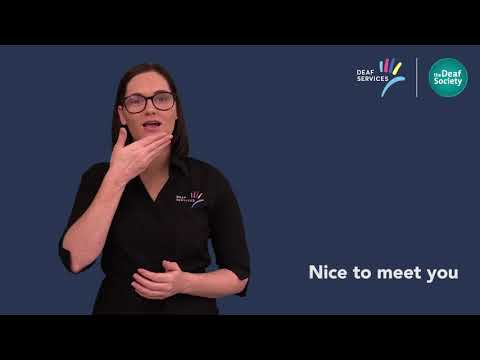
The sign for “name sign in Auslan” is used to refer to a specific name sign that identifies a person within the Deaf community. Name signs are often given based on a person’s name or a characteristic trait, and they play an important role in establishing identity and connection among Deaf individuals.
Table of Contents
How to Sign “Name Sign”

- Begin with your dominant hand in a flat handshape (like a “B” handshape).
- Place your dominant hand near your chin or cheek, with your palm facing inward.
- Move your hand slightly outward and away from your face, maintaining the handshape.
- As you perform this movement, pair it with a friendly facial expression, signaling engagement and warmth.
Common Mistakes
- Forgetting to use facial expressions, which are essential for conveying emotional context in ASL.
- Incorrect handshape; make sure to use a flat handshape rather than a fist or other shapes.
- Not moving the hand away from the face enough, which can make the sign unclear.
Related Signs
- 1 – The sign for the number one.
- 1 Dollar – The sign for one dollar, often used in transactions.
- 10 – The sign for the number ten.
- 100 – The sign for the number one hundred.
- 11 – The sign for the number eleven.
Using “Name Sign” in Everyday Conversations
The “Name Sign” is commonly used in various everyday interactions within the Deaf community. Here are a few example sentences demonstrating its use:
- Context: Meeting a new friend at a social event.
- Auslan: “ME NAME SIGN [your name sign]”
- Context: Introducing someone to a group.
- Auslan: “THIS IS [friend’s name sign].”
- Context: Discussing a person in a group conversation.
- Auslan: “NAME SIGN [name sign] GOOD!”
In these situations, using a name sign not only identifies individuals but also reinforces community connections, making conversations more engaging and personal.
Cultural Notes
Name signs hold significant cultural importance within the Australian Deaf community. They often reflect personal traits, physical characteristics, or unique stories about an individual. This practice fosters a sense of belonging and identity among Deaf Australians. In different regions, such as northern or southern Australia, variations in name signs may exist, reflecting local culture and preferences. While some signs are widely recognized, others may be specific to particular communities or groups, showcasing the rich diversity within Auslan.
Tips for Learning This Sign
To effectively learn and remember the “Name Sign,” consider the following strategies:
- Mirror Practice: Stand in front of a mirror and practice the sign, ensuring your hand shape and movement are clear and accurate.
- Observe Non-Manual Features: Pay attention to facial expressions and body language while signing. These non-manual signals enhance understanding and context.
- Incorporate in Short Sentences: Use the name sign in simple phrases or sentences to reinforce memory, such as “MY NAME SIGN [name sign].”
Consistent practice in real-life contexts will help solidify your understanding and use of name signs in Auslan.
Frequently Asked Questions
Can I use this sign in a sentence?
Yes! You can use this sign to introduce someone by saying their name sign. For example, “This is my friend, [name sign].”
Are there regional variations for this sign?
Yes, different regions may have slightly different variations for name signs. It’s best to learn from local Deaf individuals.
What are similar signs to this one?
Similar signs may include other name signs or identifiers within the Deaf community, which often reflect personal traits or attributes.
How does this compare to BSL?
While BSL (British Sign Language) has its own system for name signs, the principles of identifying individuals through unique signs are similar.
What are some teaching tips for this sign?
Practice with native signers and incorporate facial expressions to convey the right emotions. Observing how others use the sign can also be very helpful.
Practice This Sign
Try signing Name Sign In Auslan with your camera and get AI coaching on your handshape, movement, and location.
Free · No signup required