
Ulterior in Australian Sign Language (Auslan)

The sign for “ulterior” in Auslan is used to describe hidden motives or intentions behind someone’s actions. It’s often used in conversations where someone’s true agenda might not be immediately clear, making it a valuable sign in discussions about trust and relationships.
Table of Contents
How to Sign “Ulterior”
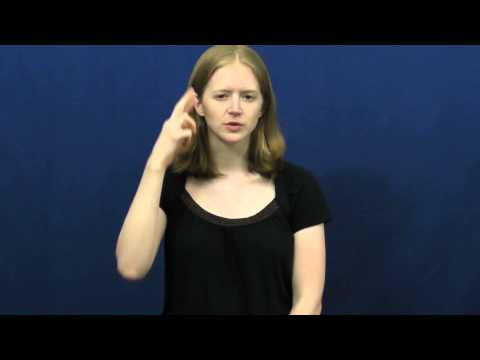
- Begin with your dominant hand in a flat shape (like a “B” handshape) and position it near your chest.
- Move your hand forward slightly, while simultaneously bringing your non-dominant hand into a fist, positioning it just below your dominant hand.
- As you make this movement, maintain a facial expression that conveys curiosity or skepticism, as this reflects the nature of the sign.
- Finish the sign by bringing your dominant hand back toward your chest, as if emphasizing the hidden or underlying aspect of the intention.
Common Mistakes
- Some learners may forget to use the appropriate facial expressions, which are essential for conveying the meaning behind the sign.
- Others might not properly position the non-dominant hand, leading to confusion about the sign’s meaning.
- Moving the dominant hand too quickly can make the sign unclear; a slower, more deliberate movement is recommended.
Related Signs
- 1 – The sign for the number one.
- 10 – The sign for the number ten.
- 100 – The sign for the number one hundred.
- 11 – The sign for the number eleven.
- 12 – The sign for the number twelve.
Using “Ulterior” in Everyday Conversations
In everyday conversations, the sign “ulterior” can be used to discuss motives or hidden intentions. Here are a few example sentences that incorporate this sign:
- “I think she has an ulterior motive for helping him.” (Sign: “SHE HELP HIM ULTERIOR MOTIVE THINK”)
- “They always seem to have ulterior plans when they invite us over.” (Sign: “THEY INVITE US OVER ULTERIOR PLANS ALWAYS SEEM”)
- “Be cautious; people sometimes have ulterior reasons for their actions.” (Sign: “BE CAUTIOUS PEOPLE ACTIONS ULTERIOR REASONS SOMETIMES”)
These situations often arise in discussions about trust, friendships, or social interactions where underlying intentions are being questioned.
Cultural Notes
Within the Australian Deaf community, the concept of “ulterior” often ties into discussions about transparency and honesty in relationships. Deaf culture values open communication, and the use of this sign can highlight the importance of being straightforward with one’s intentions. Some variations in the sign may occur based on regional dialects; for instance, in some northern areas, the sign may be accompanied by specific facial expressions to convey skepticism or doubt, while southern dialects may emphasize the movement of the hands differently. Understanding these nuances can enrich conversations and foster deeper connections within the community.
Tips for Learning This Sign
Practicing the sign for “ulterior” effectively can enhance your comfort and fluency. Here are some concrete ways to incorporate this sign into your learning routine:
- Mirror Practice: Stand in front of a mirror and practice the sign repeatedly. This helps you see your own handshape and movement, ensuring you are signing accurately.
- Watch for Non-Manual Features: Pay attention to your facial expressions and body language while signing “ulterior.” These non-manual features can add depth to your signing and convey the intended meaning more clearly.
- Use in Short Signed Sentences: Create short, simple sentences that include “ulterior.” This will help you remember the context in which the sign is used, making it easier to recall during conversations.
Regular practice in these ways will help reinforce your understanding and make the sign feel more natural in your everyday Auslan conversations.
Frequently Asked Questions
How can I use “ulterior” in a sentence?
You might say, “I feel there is an ulterior motive behind their actions,” while signing to emphasize the hidden intention.
Are there regional variations for this sign?
Most regions use a similar sign, but slight variations in movement or facial expressions may exist depending on local Deaf culture.
What signs are similar to “ulterior”?
Signs for “hidden,” “secret,” or “motive” can convey related meanings, though they each have their distinct signs.
How does this sign compare to BSL?
The sign for “ulterior” in BSL may differ in handshape and movement, reflecting the unique aspects of each sign language.
What are some teaching tips for this sign?
Encourage students to practice facial expressions along with the sign, as it adds depth and meaning. Pairing the sign with real-life examples can also enhance understanding.
Practice This Sign
Try signing Ulterior In Auslan with your camera and get AI coaching on your handshape, movement, and location.
Free · No signup required