
Neckband in Australian Sign Language (Auslan)
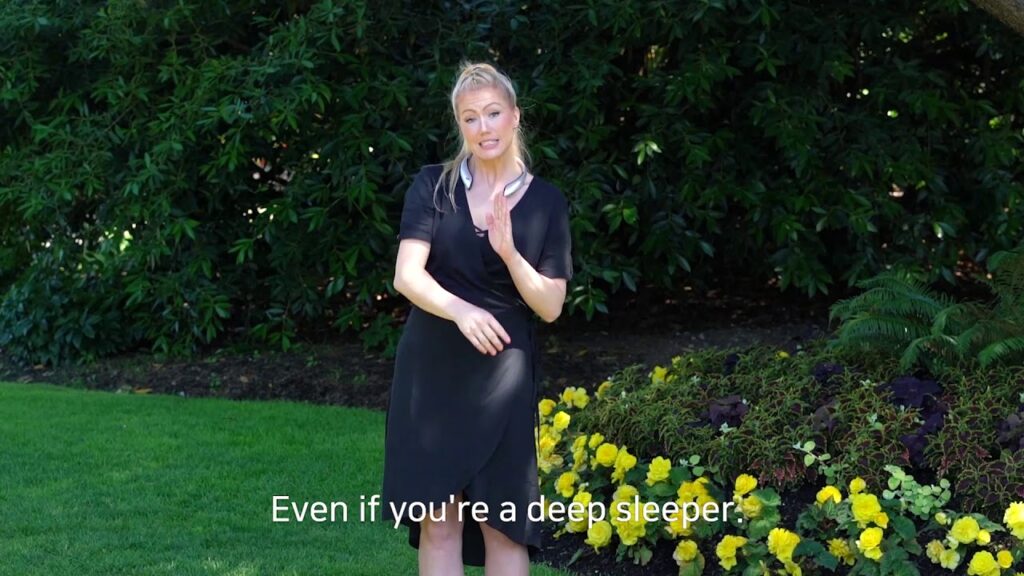
The sign for “neckband” in Auslan refers to a type of collar or band that goes around the neck, often used in the context of clothing or accessories. This sign can be used in conversations about fashion, clothing styles, or when discussing specific items that feature a neckband. It’s a useful sign to know when engaging in discussions about attire or personal style.
Table of Contents
How to Sign “Neckband”
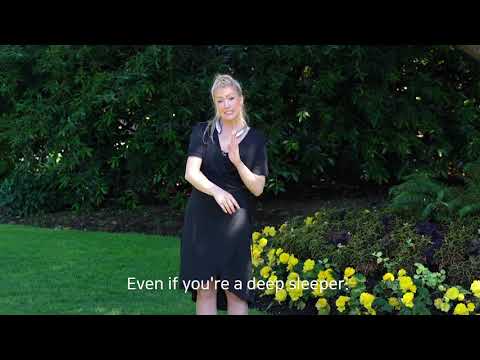
- Start with your dominant hand in a flat “B” handshape (palm facing down).
- Position your hand at the base of your neck, keeping your fingers close together.
- Move your hand slightly outward from your neck, as if you are illustrating the shape and fit of a neckband.
- Maintain a neutral facial expression, or add a slight smile if you are conveying excitement about a neckband.
Common Mistakes
- Forgetting to use the correct handshape, which can lead to confusion with other signs.
- Not positioning the hand close enough to the neck, making the sign unclear.
- Using exaggerated movements that may distract from the meaning of the sign.
Related Signs
- 1 – The sign for the number one.
- 1 Dollar – The sign representing one dollar.
- 10 – The sign for the number ten.
- 100 – The sign for the number one hundred.
- 11 – The sign for the number eleven.
Using “Neckband” in Everyday Conversations
In everyday conversations, the sign “Neckband” can be incorporated naturally in various contexts. Here are some example sentences to illustrate its use:
- “MY NECKBAND IS COMFORTABLE.” — This might come up when discussing personal accessories or preferences.
- “I NEED TO BUY NEW NECKBAND FOR MY HEADPHONES.” — A common situation when talking about technology or music.
- “THIS NECKBAND IS TRENDY.” — This could arise in conversations about fashion or style choices.
Using “Neckband” in these contexts helps to enrich conversations about personal items, technology, or fashion, making your communication more relatable and engaging.
Cultural Notes
The sign for “Neckband” holds particular significance within the Australian Deaf community, as it reflects the integration of technology in daily life, especially with the increasing use of assistive hearing devices. Many Deaf individuals use neckbands for their hearing aids or Bluetooth devices, making this sign a practical and relevant part of their vocabulary.
When considering dialect variations, there may be subtle differences in how “Neckband” is signed across northern and southern regions of Australia. While the core sign remains the same, some users might incorporate unique facial expressions or body language that reflect local signing styles. Engaging with local Deaf communities can provide insight into these variations.
Tips for Learning This Sign
Practicing the sign “Neckband” effectively can enhance your confidence and fluency in Auslan. Here are some concrete ways to remember and practice:
- Mirror Practice: Use a mirror to observe your hand movements and facial expressions while signing “Neckband.” This visual feedback can help you refine your technique.
- Watch for Non-Manual Features: Pay attention to the facial expressions that accompany the sign. These features add meaning and emotion to your signing.
- Incorporate into Short Sentences: Use “Neckband” in various short signed sentences during conversations. This will help reinforce your memory and make the sign feel more natural.
By integrating these practices into your learning routine, you’ll find it easier to master the sign and use it effectively in conversations.
Frequently Asked Questions
How can I use “neckband” in a sentence?
You can say, “I love the neckband on this shirt,” while signing to emphasize the specific feature of the clothing.
Are there regional variations for this sign?
While “neckband” is relatively consistent, some regions may have slight variations in handshape or movement. It’s best to observe local signers.
What are similar signs to “neckband”?
Related signs include “collar,” “tie,” and “scarf,” each with its own specific handshapes and movements.
How does this sign compare to BSL?
In BSL, the sign for “neckband” may look different, as each sign language has its unique grammar and visual language features.
Any tips for teaching this sign?
Use visual aids, such as pictures of neckbands, to help learners connect the sign with its meaning. Encourage practice in pairs for feedback.
Practice This Sign
Try signing Neckband In Auslan with your camera and get AI coaching on your handshape, movement, and location.
Free · No signup required