
Neck in Australian Sign Language (Auslan)
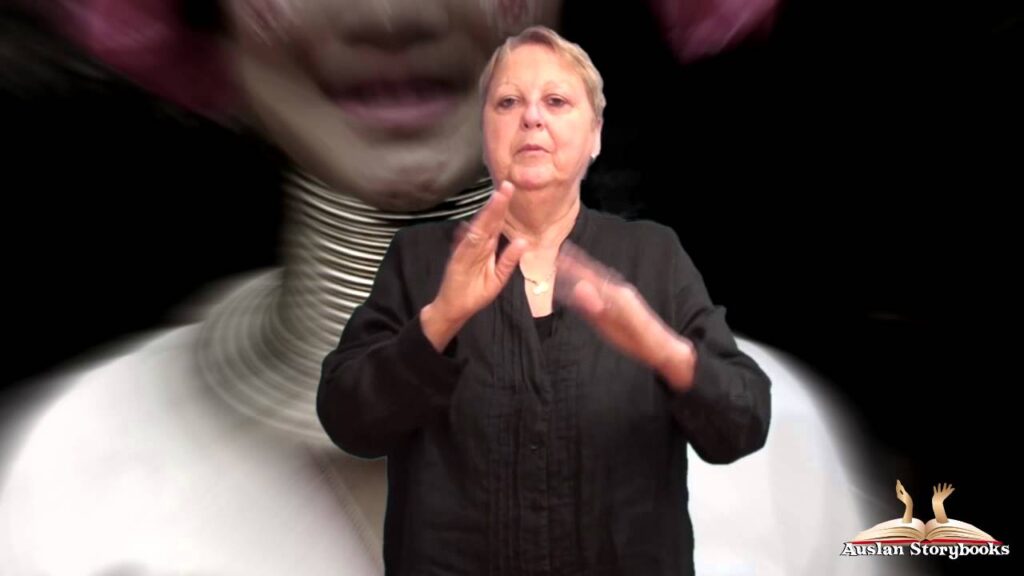
The sign for “neck” in Auslan refers to the part of the body that connects the head to the torso. This sign is often used in conversations about anatomy, health, or when describing someone’s appearance. Understanding this sign is useful in both casual and medical contexts.
Table of Contents
How to Sign “Neck”
- Start with your dominant hand in a flat handshape (like a “B” handshape) and position it near your throat.
- Gently move your hand downwards along the front of your throat, following the line of your neck.
- Maintain a neutral facial expression, but you can slightly lean your head to the side for emphasis.
Common Mistakes
- Some learners may forget to use a flat handshape and instead use a fist, which can change the meaning.
- Another common mistake is not moving the hand downwards along the neck, which may lead to confusion.
- Facial expressions are often overlooked; remember to use them to convey clarity and intent.
Related Signs
- 1 – The sign for the number one, often used in counting.
- 1 Dollar – A sign used when discussing currency.
- 10 – The sign for the number ten.
- 100 – The sign for the number one hundred.
- 12 – The sign for the number twelve.
Using “Neck” in Everyday Conversations
The sign for “neck” can be seamlessly integrated into various daily conversations, especially when discussing clothing, health, or body language. Here are a few example sentences:
- “My necklace is stuck on my neck.” (MY NECKLACE NECK STUCK)
- “I have a sore neck from my bad posture.” (I HAVE SORE NECK BAD POSTURE)
- “He wears a scarf around his neck.” (HE SCARF WEAR NECK)
These examples demonstrate natural situations where the sign for “neck” appears, from discussing fashion choices to sharing personal health experiences.
Cultural Notes
In the Australian Deaf community, the sign for “neck” is not only a physical descriptor but also carries cultural significance. When referring to neck-related topics, such as fashion or health, members of the Deaf community often convey information with a sense of pride in their identity and uniqueness. It’s essential to use this sign respectfully and with awareness of its context.
Dialect variations exist within Auslan, particularly between northern and southern regions. While the fundamental sign for “neck” remains the same, some expressions or accompanying signs may differ slightly in execution or emphasis. Engaging with local Deaf groups can enhance your understanding of these nuances.
Tips for Learning This Sign
To effectively learn and remember the sign for “neck,” consider the following techniques:
- Mirror Practice: Stand in front of a mirror and practice the sign. This will help you ensure that your handshape and movement are accurate.
- Watch for Non-Manual Features: Pay attention to facial expressions and body language when signing “neck.” These non-manual features enhance the meaning and clarity of your signing.
- Use It in Short Signed Sentences: Try incorporating “neck” into different contexts by creating short sentences. This will help solidify your understanding and ability to use the sign fluidly in conversation.
Consistent practice and engagement with the Deaf community will further reinforce your learning and confidence in using this sign.
Frequently Asked Questions
How can I use “neck” in a sentence?
You can say, “My neck hurts,” by signing “my” followed by the sign for “neck” and then a sign for “hurt.”
Are there regional variations for the sign?
Yes, some regions may have slight variations in handshape or movement, so it’s good to observe local signers.
Is there a sign similar to “neck”?
The sign for “throat” is similar but typically involves a different handshape and positioning.
How does this sign compare to BSL?
The BSL sign for “neck” is different; it’s important to learn the specific signs for each sign language.
What are some teaching tips for this sign?
Encourage learners to practice in front of a mirror to ensure they are using the correct handshape and movements.
Practice This Sign
Try signing Neck In Auslan with your camera and get AI coaching on your handshape, movement, and location.
Free · No signup required