
I’m Bad in Australian Sign Language (Auslan)
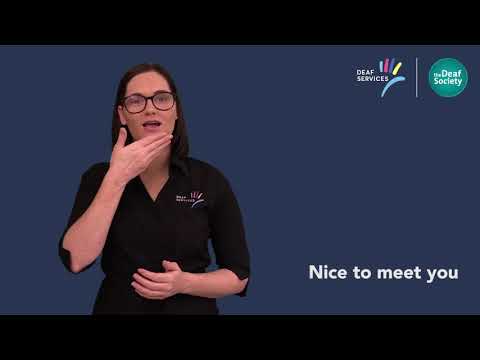
The sign “I’m bad in Auslan” expresses a person’s acknowledgment of their limited skills in Australian Sign Language (Auslan). It’s commonly used in social situations to convey humility or to indicate that one is still learning the language. This sign can foster understanding and support from others in the Deaf community.
Table of Contents
How to Sign “I’m Bad In Auslan”

- Start with your dominant hand in a flat handshape, fingers together and palm facing down.
- Place your dominant hand on your chest, near the heart area.
- Move your hand slightly away from your chest while keeping it flat, as if you are pushing away something negative.
- While performing this movement, use a facial expression that conveys a sense of humility or regret, perhaps a slight frown.
Common Mistakes
- Using an incorrect handshape; ensure your hand is flat and fingers are together.
- Not using appropriate facial expressions, which are essential for conveying the emotion behind the sign.
- Performing the sign too quickly, which can lead to confusion about the meaning.
Related Signs
- 1 – The sign for the number one.
- 1 Dollar – The sign indicating one dollar.
- 10 – The sign for the number ten.
- 100 – The sign for one hundred.
- 11 – The sign for eleven.
Using “I’m Bad” in Everyday Conversations
The sign “I’m Bad” can be incorporated into various conversational contexts, often to express feelings or experiences. Here are a few example sentences:
- Feeling unwell: “I’M BAD, SICK.” (You can use this to express that you’re feeling ill or unwell, perhaps when catching up with a friend.)
- After making a mistake: “I’M BAD, MESS UP.” (This can be used when you accidentally do something wrong, like forgetting a friend’s birthday.)
- When discussing an experience: “I’M BAD, FOOD, DISLIKE.” (This can come up when discussing food preferences, such as admitting you don’t like a popular dish.)
Using “I’m Bad” in these contexts helps convey a sense of honesty and openness, which is appreciated in everyday interactions.
Cultural Notes
In the Australian Deaf community, the sign “I’m Bad” carries a certain cultural resonance. Deaf culture places a high value on authenticity and self-expression, and using this sign can reflect a person’s willingness to share their true feelings. It’s not merely an admission of wrongdoing but an opportunity to connect with others through vulnerability.
Dialect variations exist within Auslan, particularly between northern and southern regions. In some northern areas, the sign may incorporate a more exaggerated facial expression to convey emotion, while southern users might keep it more subdued. Understanding these regional differences can enhance your communication and help you build rapport with others in the community.
Tips for Learning This Sign
Practicing the sign “I’m Bad” can be fun and engaging. Here are some effective strategies to help you remember and use it confidently:
- Mirror Practice: Stand in front of a mirror while practicing the sign. This allows you to see your own facial expressions and hand movements, helping you refine your technique.
- Focus on Non-Manual Features: Pay attention to your facial expressions while signing. Non-manual features add meaning and emotion to the sign, making your communication more impactful.
- Use in Short Sentences: Try incorporating “I’m Bad” into short sentences during your practice sessions. This not only helps with memorization but also builds your conversational skills. For example, practice saying, “I’M BAD, HAPPY, SOMETIMES.” (I’m bad at being happy sometimes.)
Consistent practice will enhance your fluency and confidence when using this sign in conversations.
Frequently Asked Questions
Can I use this sign in a sentence?
Yes! For example, you could say, “I’m bad in Auslan, but I’m learning!”
Are there regional variations of this sign?
While the sign is generally consistent, some regions may have slight variations in movement or facial expression.
Are there any similar signs?
Yes, signs like “I’m learning” or “I’m practicing” can express a similar sentiment of humility regarding language skills.
How does this sign compare to BSL?
BSL has its own set of signs; “I’m bad” may have a different sign in BSL, emphasizing the importance of understanding each sign language’s uniqueness.
What tips can help me teach this sign effectively?
Encourage students to practice with facial expressions and to understand the cultural context of humility in the Deaf community.
Practice This Sign
Try signing I'm Bad In Auslan with your camera and get AI coaching on your handshape, movement, and location.
Free · No signup required