
Auslan Baby Sign Language – Getting Started

Auslan baby sign language gives Australian parents a powerful tool for communicating with their babies before spoken language develops. Using signs adapted from Australian Sign Language, babies as young as six months can express basic needs like hunger, thirst, and the desire for more. This early communication reduces frustration and strengthens the bond between parent and child.
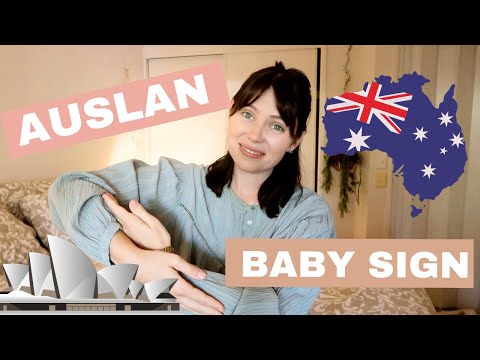
Why Use Auslan for Baby Signing
In Australia, teaching babies to sign using Auslan rather than ASL-based systems makes practical sense for several reasons. Auslan is the sign language of the Australian Deaf community, meaning the signs your baby learns connect to a living language used by real people around them. If your child later encounters Deaf Australians, at school, in the community, or through friends, they will already share some common vocabulary.
Many baby signing programs in Australia previously taught ASL-based signs, since much of the baby sign language movement originated in the United States. However, Australian families are increasingly recognizing the value of using their country’s own sign language. Using Auslan signs supports the recognition and vitality of Australian Sign Language as a community language.
Research on baby sign language shows consistent benefits regardless of which sign language the signs come from. Studies have demonstrated that signing babies often develop larger spoken vocabularies, experience fewer tantrums related to communication frustration, and show stronger early literacy skills. These benefits arise from the act of giving babies a communication tool, and Auslan signs serve this purpose excellently.
Deaf Australia and state Deaf societies support the use of authentic Auslan signs in baby signing programs. They note that using real Auslan signs rather than invented gestures ensures accuracy and respect for the Deaf community’s language. It also means parents are learning real signs that they can continue to develop into conversational Auslan if they choose.
When to Start and What to Expect
Most experts recommend beginning Auslan baby sign language between six and eight months of age. At this stage, babies have typically developed the motor control and cognitive readiness to begin connecting hand movements with meanings. However, you can start modelling signs from birth — your baby will absorb the visual input long before they can produce signs themselves.
Expect a waiting period between when you start signing and when your baby signs back. Most babies produce their first intentional sign between eight and twelve months, though the range varies widely. Some babies sign back within a few weeks of exposure, while others take several months. Patience and consistency are far more important than starting at a specific age.
Your baby’s first signs will likely look imperfect. Just as babies babble and mispronounce words before speaking clearly, they will approximate signs before producing them accurately. A baby might use a simplified version of the sign for milk or produce the sign for “more” with a slightly different handshape. These approximations are successful communication and should be celebrated and reinforced.
Watch for signs of receptive understanding before expressive production. Your baby may look at the correct object when you sign, get excited when they see a particular sign, or respond appropriately to a signed instruction before they produce any signs themselves. These responses confirm that learning is happening even without visible signing from your baby.
Practice Makes Perfect
Test your sign language skills with our free practice app.
Essential First Signs
Start with three to five signs that relate to your baby’s daily routines and strongest interests. The most effective first signs connect to things your baby cares about deeply, creating high motivation to communicate.
The signs for eat, drink, and milk are excellent starting points because they relate to basic needs your baby experiences multiple times daily. When your baby can sign that they are hungry or thirsty, it dramatically reduces the guesswork and frustration that comes with trying to interpret crying. You get to respond to specific needs rather than cycling through possibilities.
The sign for “more” is one of the most versatile early signs. Babies quickly learn to use it beyond its original context — requesting more food, more play, more reading, or more of any activity they enjoy. This generalization shows genuine language comprehension, not just rote repetition of a gesture.
“All done” or “finished” pairs naturally with “more,” giving your baby two complementary ways to express their preferences. Together, these signs create a basic but powerful communication system: your baby can request continuation or signal that they want to stop an activity.
Signs for familiar people — mum, dad, and pet names — are meaningful because they connect to the people your baby loves most. Animals are also popular early signs, particularly if you have a family pet or your baby enjoys animal books. Signs for “dog,” “cat,” and “bird” tend to capture babies’ imaginations and motivate enthusiastic signing.
Tips for Teaching Auslan Baby Signs
Consistency is the most important factor in successful baby signing. Use the sign every single time you say the corresponding word, in every relevant context. If you only sign “milk” at some feedings but not others, your baby will take much longer to make the connection. Aim for every instance until your baby shows clear recognition.
Always pair signs with spoken words. Auslan baby sign language supplements speech — it does not replace it. Say the word clearly while producing the sign, maintaining eye contact with your baby. This dual approach supports both visual and auditory language development and ensures your baby connects the sign, the word, and the meaning simultaneously.
Sign in context, at the moment the object or action is present. Signing “ball” while your baby is looking at and reaching for a ball is far more effective than practising signs in isolation. Contextual signing helps your baby understand that the hand movement represents something specific in their immediate experience.
Involve all regular caregivers in the signing effort. Share the signs with grandparents, childcare providers, and anyone who spends significant time with your baby. The more consistently your baby sees the same signs from multiple people, the faster they will learn. A simple reference card with your baby’s current signs can help everyone stay on the same page.
Keep it enjoyable. If signing feels like a chore or a test, both you and your baby will lose motivation. Incorporate signs into songs, stories, and play. The more positive associations your baby has with signing, the more enthusiastic they will be about using signs to communicate.
Finding Baby Sign Classes in Australia
Baby sign language classes using Auslan are available in most Australian capital cities and many regional areas. State Deaf societies, including Deaf Australia, Deaf Victoria, and Deaf Connect (formerly Deaf Services Queensland), often offer or can recommend Auslan-based baby signing programs run by qualified instructors.
Look for programs taught by instructors who are Deaf themselves or who hold qualifications in Auslan. Some baby sign programs in Australia still use ASL-based signs or invented gestures rather than authentic Auslan. Asking about the source of the signs being taught helps ensure you are learning real Auslan vocabulary that connects to the broader language.
Online Auslan baby sign resources have expanded significantly, making it possible to learn from home if in-person classes are not available in your area. Video-based resources are particularly useful for sign language learning because you can see the handshapes, movements, and facial expressions that are essential to accurate sign production. Several Australian Deaf creators produce baby sign content on YouTube and social media platforms.
Libraries and community centres in Australia frequently host baby signing workshops or story-time sessions that incorporate Auslan signs. These casual settings provide a low-pressure introduction to signing and connect you with other families on the same journey. Many parents find that the social support of a signing community helps them stay consistent with their practice at home.
Related Articles
Practice ASL Signs
Use your camera to practice signs and get real-time AI feedback on your technique.
Free · No signup required