
Eat in Australian Sign Language (Auslan)
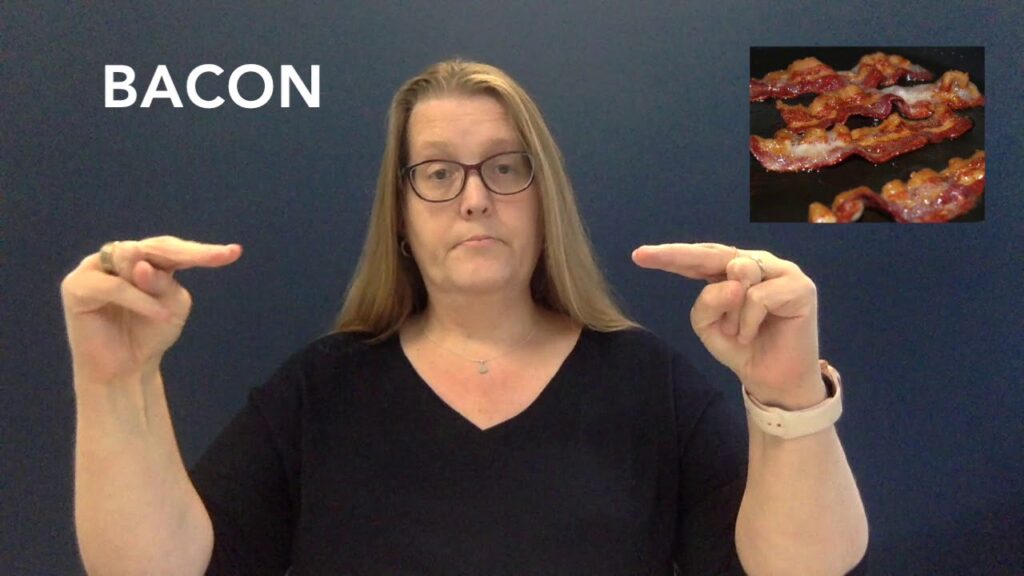
The sign for “eat” in Auslan is a fundamental sign that’s commonly used in everyday conversations, especially during meal times or when discussing food. It’s a great way to express hunger or to ask if someone has eaten. This sign is essential for building connections and sharing experiences about food.
Table of Contents
How to Sign “Eat”
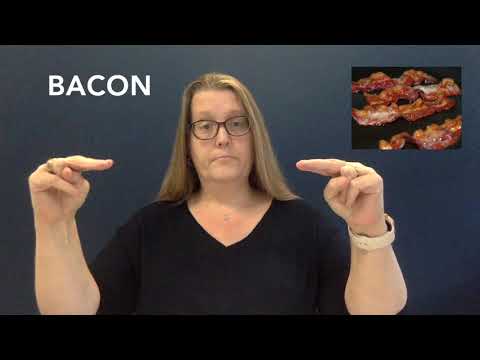
- Start with your dominant hand in a flat ‘B’ shape, with your fingers together and your palm facing upwards.
- Bring your hand towards your mouth, mimicking the action of bringing food to your mouth.
- As you do this, slightly open your mouth to enhance the meaning of the sign and show facial expression that reflects the action of eating.
Common Mistakes
- Forgetting to use facial expressions, which are vital in Auslan to convey meaning.
- Using a closed fist instead of the flat hand shape, which can change the meaning of the sign.
- Not bringing the hand close enough to the mouth, making the sign unclear.
Related Signs
- 1 – The sign for the number one.
- 1 Dollar – Sign for a single dollar.
- 10 – The sign for the number ten.
- 100 – The sign for the number one hundred.
- 11 – The sign for the number eleven.
Using “Eat” in Everyday Conversations
The sign for “Eat” is commonly used in various everyday situations. Here are a few example sentences that illustrate how this sign can be integrated into daily conversations:
- “I eat breakfast every day.” — This sentence might come up during a discussion about daily routines, where you describe your habits.
- “What do you want to eat for lunch?” — This is a great way to engage friends or family when deciding on meal options.
- “They eat pizza on Friday nights.” — Use this when talking about traditions or plans with others, especially when discussing favourite foods.
In these examples, the sign for “Eat” not only conveys the action but also invites further conversation about food preferences and meal times, making it a vital part of social interactions.
Cultural Notes
In the Australian Deaf community, the sign for “Eat” holds more than just its literal meaning. Food often plays a central role in Deaf gatherings, symbolizing community and connection. Sharing meals is a common practice, and the act of eating together fosters relationships among Deaf individuals. This sign can also reflect cultural preferences and the importance of certain traditional foods in Australian Deaf culture.
Regarding dialect variations, while the sign for “Eat” remains largely consistent across Australia, slight regional differences in facial expressions or intensity may be observed, particularly between northern and southern communities. Being mindful of these nuances can enhance communication and understanding in different contexts.
Tips for Learning This Sign
To effectively learn and remember the sign for “Eat,” consider the following practice strategies:
- Mirror Practice: Use a mirror to practice your signing. Observe your hand shape and movement to ensure they match the correct form.
- Watch for Non-Manual Features: Pay attention to facial expressions and body language that accompany the sign. These features can convey additional meaning and context.
- Incorporate into Short Signed Sentences: Create simple sentences using “Eat” and practice them regularly. For example, “I eat fruit” can help reinforce both the sign and its usage.
By integrating these methods into your learning routine, you’ll become more comfortable and fluent with the sign for “Eat” and its practical applications in conversation.
Frequently Asked Questions
How do I use “eat” in a sentence?
You can say, “I want to eat” by signing “I” followed by “want” and then “eat.”
Are there regional variations of this sign?
Is there a sign similar to “eat”?
The sign for “drink” is similar but uses a different hand shape and motion. It’s often confused with “eat.”
How does this compare to BSL?
While BSL has its own sign for “eat,” the hand shapes and movements differ significantly from Auslan.
What are some teaching tips for this sign?
Encourage students to practice in front of a mirror to ensure correct hand shape and mouth movements.
Can “eat” be used in various contexts?
Yes, you can use this sign in various contexts, such as asking about meal preferences or discussing favorite foods.
Practice This Sign
Try signing Eat In Auslan with your camera and get AI coaching on your handshape, movement, and location.
Free · No signup required