
Mum in Australian Sign Language (Auslan)

The sign for “mum” in ASL is a warm and affectionate way to refer to one’s mother. This sign is commonly used in everyday conversations and can also express love and appreciation for mothers, especially during special occasions like Mother’s Day.
Table of Contents
How to Sign “Mum”
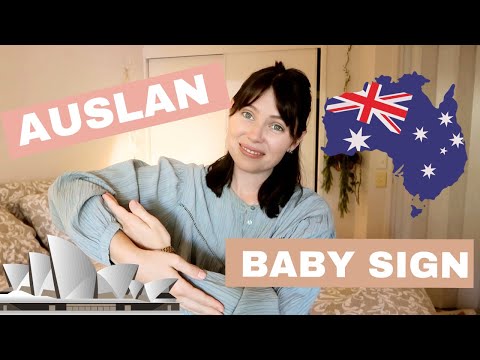
- Start with your dominant hand open, palm facing down.
- Place your hand near your chin, with your fingers slightly spread apart.
- Bring your hand away from your chin in a slight outward motion while keeping the same handshape.
- Maintain a gentle facial expression to convey warmth and affection.
Common Mistakes
- Some learners may confuse the sign for “mum” with similar signs like “dad.” Make sure to use the correct handshape and location near the chin.
- Using a flat hand instead of an open hand can lead to misunderstandings. Ensure your hand is in the correct position and shape.
- Forgetting to use facial expressions can make the sign less expressive. Always pair your signs with appropriate facial cues.
Related Signs
- #Auslan Latest – Stay updated on Auslan signs and trends.
- – Hello How Are You – A common greeting in ASL.
- 0 In Auslan – Understanding the number zero in Auslan.
- 1 – The sign for the number one.
- 1 Dollar – How to sign one dollar.
Using “Mum” in Everyday Conversations
In Auslan, the sign for “Mum” is often used in everyday conversations when talking about family or sharing experiences related to one’s mother. Here are a few example sentences that illustrate how to incorporate this sign naturally:
- “Mum will pick me up from school.” – This might come up when discussing plans for the day.
- “I love my mum very much.” – You could use this when expressing feelings about family during a casual chat.
- “Mum said dinner is ready.” – This can be used to share updates about what’s happening at home.
These examples highlight how “Mum” can be seamlessly integrated into conversations about daily life, making it a useful sign to practice.
Cultural Notes
The sign for “Mum” holds significant cultural importance in the Australian Deaf community, where family ties are often emphasized. Many Deaf individuals have close-knit relationships with their families, and discussing one’s mother is common in both casual and formal settings.
In terms of regional variations, while the sign itself remains largely consistent across Australia, there may be slight differences in facial expressions or non-manual features depending on whether you are in northern or southern regions. Observing local signing communities can provide insight into these subtle distinctions.
Tips for Learning This Sign
To effectively learn and remember the sign for “Mum,” consider these concrete practice techniques:
- Mirror Practice: Stand in front of a mirror and practice the sign while watching your own movements. This will help you refine your technique and ensure your hand shape and position are correct.
- Watch for Non-Manual Features: Pay attention to facial expressions and body language when signing “Mum.” A warm smile can enhance the sign’s meaning and convey affection.
- Use in Short Signed Sentences: Create simple sentences using “Mum” in context, such as “Mum is happy” or “Mum loves gardening.” This will help reinforce your memory through practical application.
By incorporating these practices into your learning routine, you’ll become more comfortable and confident using the sign for “Mum” in conversations.
Frequently Asked Questions
How do I use “mum” in a sentence?
You can use it in a sentence like, “I love my mum” by signing “I LOVE MUM.” Make sure your facial expression conveys your affection.
Are there regional variations for this sign?
What are similar signs to “mum”?
Similar signs include “dad,” which is signed with a different handshape and placement. Be mindful of your hand position to convey the correct meaning.
How does this compare to BSL?
In British Sign Language (BSL), the sign for “mum” is different. It’s always interesting to learn about variations across different sign languages!
What tips do you have for teaching this sign?
Encourage students to practice in pairs and use facial expressions to enhance meaning. Watching videos of native signers can also be beneficial for learning.
Can I use this sign for other languages?
This specific sign is for ASL, but many signs have equivalents in other sign languages. Always check the local signs when communicating in different regions.
Practice ASL Signs
Use your camera to practice signs and get real-time AI feedback on your technique.
Free · No signup required