
Australian in Australian Sign Language (Auslan)
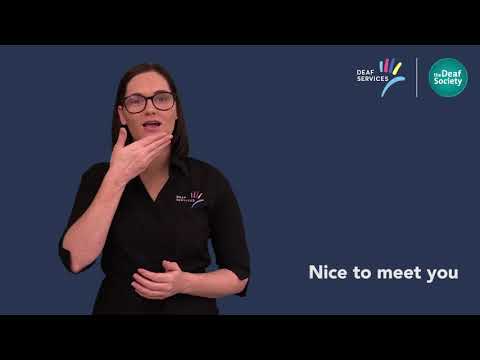
“Australian Sign Language” represents the specific sign language utilized by the Deaf community in Australia, known as Auslan. It finds frequent use in conversations about language, culture, or while interacting with Deaf Australians. This sign highlights the distinctive identity of Deaf individuals in Australia.
Table of Contents
How to Sign “Australian”

- Begin with your dominant hand in a flat handshape (like a “B” hand) with your palm facing down.
- Position your hand near your forehead, slightly to the side of your head.
- Move your hand outward in a small arc away from your head while keeping your fingers extended and together.
- As you perform the movement, maintain a neutral facial expression, or add a slight smile to convey warmth.
Common Mistakes
- Using an incorrect handshape; ensure your hand is flat and fingers are together.
- Moving your hand too far from your head, which can alter the meaning.
- Neglecting facial expressions, which are important in conveying the context and emotion of the sign.
Related Signs
- (Auslan) – The sign language used in Australia.
- 1 – The number one in ASL.
- 10 – The number ten in ASL.
- 100 – The number one hundred in ASL.
- 15 – The number fifteen in ASL.
Using “Australian” in Everyday Conversations
The sign for “Australian” is commonly used in various contexts, especially when discussing nationality, culture, or identity. Here are a few example sentences that demonstrate how to integrate this sign into everyday conversations:
- Example 1: “I am Australian.”
Sign Order: I (index finger pointing at yourself) + AUSTRALIAN. - Example 2: “My friend is Australian.”
Sign Order: MY (pointing to yourself) + FRIEND (flat hand shape moving forward) + AUSTRALIAN. - Example 3: “We are Australian.”
Sign Order: WE (both hands held in front of you) + AUSTRALIAN.
These phrases come up naturally in conversations about identity, travel, or discussing cultural events within the Deaf community.
Cultural Notes
The sign “Australian” holds significant cultural weight in the Australian Deaf community. It is often used to express pride in national identity, especially during events like Australia Day or National Week of Deaf People. The sign can vary slightly between northern and southern dialects; for example, some users in the north may incorporate more facial expressions to convey emotion or context. Understanding these nuances can enhance communication and connection within the community.
Tips for Learning This Sign
Practicing the sign for “Australian” effectively can help reinforce your learning. Here are some concrete tips:
- Mirror Practice: Use a mirror to practice the sign while watching your own movements. This can help you refine your technique and gain confidence.
- Observe Non-Manual Features: Pay attention to facial expressions and body language when signing “Australian.” These non-manual features add depth and can change the meaning of your signs.
- Incorporate it into Short Signed Sentences: Try to use “Australian” in various short sentences during practice sessions. For instance, combine it with signs for hobbies, interests, or daily activities to create context.
Regular practice in these ways will aid in retaining the sign and using it naturally in conversation.
Frequently Asked Questions
How can I use “Australian” in a sentence?
You might say, “I am learning Australian Sign Language” by signing “I” followed by the sign for “Australian.”
Are there regional variations in the sign for “Australian”?
While the sign is generally consistent, some variations may exist among different communities within Australia.
Is there a sign similar to “Australian” in other sign languages?
Yes, other countries have their own signs for their respective sign languages, but they may differ significantly.
How does Auslan compare with BSL (British Sign Language)?
Auslan and BSL are distinct languages with different signs, though both have historical ties to British Sign Language.
What are some teaching tips for this sign?
Practice in front of a mirror and observe your facial expressions to ensure clarity and accuracy.
Practice This Sign
Try signing Australian with your camera and get AI coaching on your handshape, movement, and location.
Free · No signup required