Practice sign language with AI coachingTry it free →
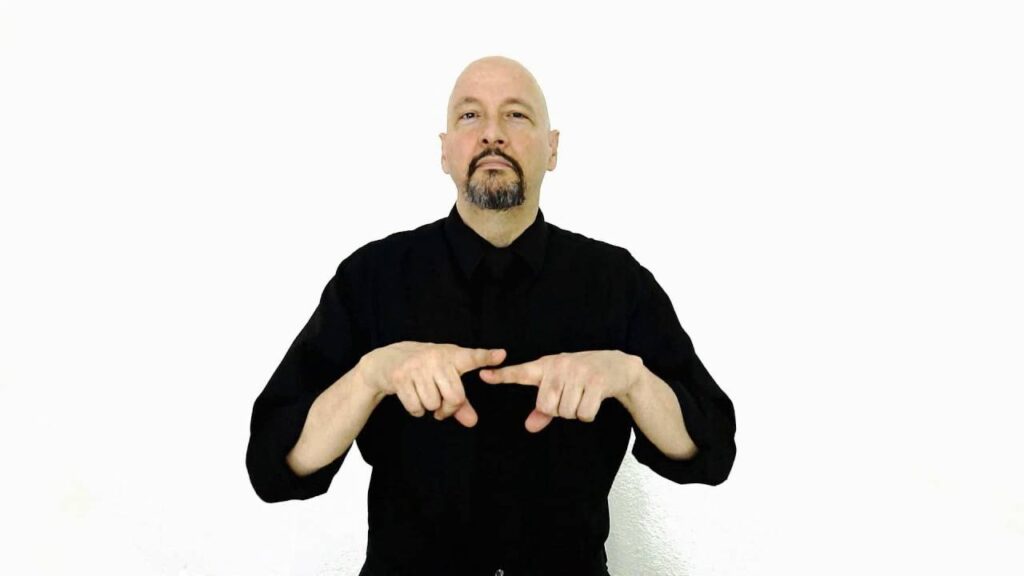
The sign for “depend on” is commonly used to express reliance on someone or something. It captures the essence of trust and support in relationships, whether personal, professional, or community-based. This sign is frequently used in conversations involving teamwork, friendships, and family dynamics.
Last reviewed: March 15, 2026
Frequently Asked Questions
How can I use the sign for ‘depend on’ in sentences?
You can use the sign ‘depend on’ in sentences like ‘I depend on my friend for support’ by signing ‘I DEPEND-ON FRIEND SUPPORT.’ This structure clearly communicates the relationship of reliance using both signs and contextual meaning.
Are there regional variations of the sign for ‘depend on’?
Yes, like many ASL signs, ‘depend on’ may have slight variations based on regional dialects or local signs. It’s beneficial to learn from native signers in your area to understand these nuances better.
Is there a difference between formal and informal usage of this sign?
In formal settings, such as presentations or meetings, you might use the sign with clearer articulation and appropriate facial expressions. In informal settings, you can use the sign more casually, but maintaining clarity is still important to ensure your message is understood.
Are there similar or easily confused signs with ‘depend on’?
Yes, signs like ‘trust’ or ‘rely’ can be visually similar, which may cause confusion. Pay attention to context and facial expressions to distinguish between these signs when communicating.
How does the sign for ‘depend on’ compare to British Sign Language (BSL)?
In BSL, the sign for ‘depend on’ is different from ASL. While ASL uses a specific handshape and movement, BSL incorporates different signs and may involve more facial expression. Understanding these differences can enhance cross-cultural communication.
What are some teaching tips for the sign ‘depend on’?
Use visual aids, like videos or demonstrations, to show the sign in context. Practice with role-playing scenarios where students can use the sign in conversation, encouraging them to incorporate appropriate facial expressions and body language for clarity.