
What Is ASL Slang? Informal Signs Explained
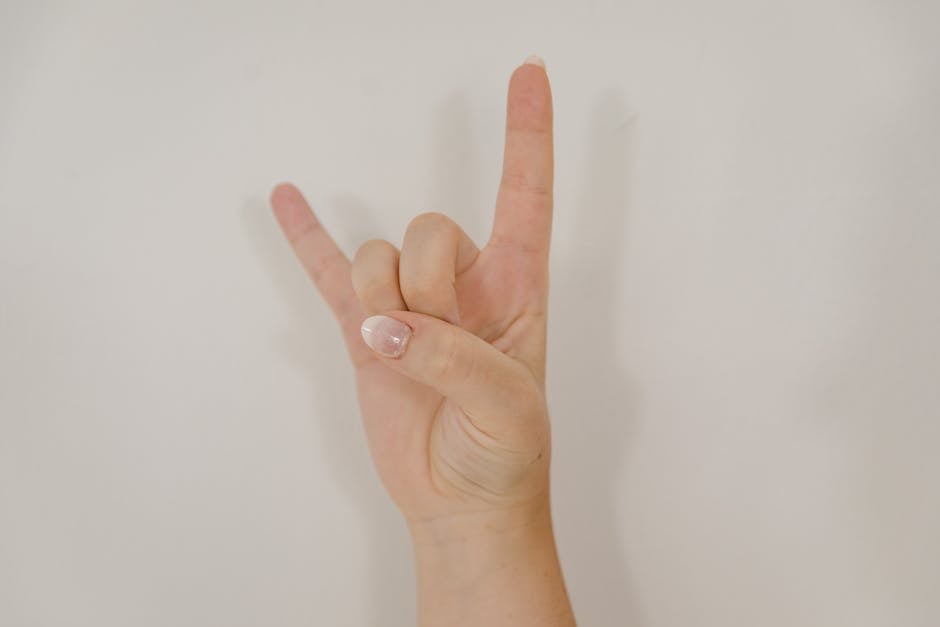
Every living language develops informal expressions, and American Sign Language is no exception. If you have ever wondered what is ASL slang, you are asking about the rich layer of casual, colloquial signs that Deaf communities use in everyday conversation. These informal signs add color, humor, and cultural depth to ASL communication.
Table of Contents
How ASL Slang Develops
ASL slang emerges organically within the Deaf community, just as spoken slang does in hearing communities. New signs are coined at residential schools for the Deaf, Deaf social events, and increasingly through social media platforms where Deaf creators share content. These informal signs spread through social networks and can eventually become widely recognized across the community.
One common way ASL slang forms is through abbreviation or simplification of existing signs. A two-handed sign might be reduced to a one-handed version for speed and convenience. Compound signs — where two signs combine to create a new meaning — may be compressed into a single, faster movement. This linguistic economy mirrors the way spoken languages create contractions and shortened words.
Technology and social media have accelerated the spread of ASL slang dramatically. Deaf content creators on platforms like TikTok, Instagram, and YouTube share new signs with thousands of viewers simultaneously. A sign that might have taken years to spread from one school or region to another can now go viral in days. This has created a more dynamic and rapidly evolving slang vocabulary than previous generations experienced.
Generational differences also play a role. Younger Deaf signers tend to create and adopt slang more readily, while older signers may not recognize newer informal signs. This generational gap in slang usage is a universal linguistic phenomenon that demonstrates ASL’s status as a living, evolving language.
Common Examples of ASL Slang
Several ASL slang signs have become widely recognized across the Deaf community. The sign commonly glossed as “PAH” involves a flat hand moving outward from the mouth with a specific facial expression, conveying a sense of “finally” or “at last.” This sign has no formal dictionary entry but is universally understood among ASL users.
The sign for “FINISH” is frequently used as slang to mean “already” or “done with it” in casual conversation. While the formal sign has a specific handshape and movement, the slang version is often produced more loosely and with an exaggerated facial expression that changes its pragmatic meaning.
Body-shifted role play, while technically a grammatical feature of ASL, takes on slang qualities when used for comedic effect. Deaf signers will rapidly shift between characters in a story, using exaggerated expressions and body movements to create humor. This storytelling technique is a hallmark of informal Deaf conversation and is considered an art form within the community.
Some slang signs reference Deaf cultural experiences specifically. Signs related to hearing aids, cochlear implants, or interactions with hearing people who do not understand Deaf culture carry layered meaning that requires cultural knowledge to fully appreciate. These signs often express shared frustrations or funny observations about navigating the hearing world.
Practice Makes Perfect
Test your sign language skills with our free practice app.
Regional Variation in ASL Slang
Just as spoken English has regional dialects, ASL has significant regional variation, and this is especially pronounced in slang. A slang sign used commonly in California may be unfamiliar to signers in New York, and vice versa. Residential schools for the Deaf have historically been major sources of regional variation, with each school developing its own set of informal signs.
Gallaudet University in Washington, D.C., serves as something of a melting pot for regional ASL varieties. Students from across the country bring their local slang to campus, and new signs that emerge at Gallaudet often spread nationally as graduates return to their home communities. The university has been a significant driver of ASL language change for over 150 years.
Black ASL (BASL) represents another important dimension of variation within American Sign Language. BASL has its own distinct slang and informal expressions that developed within historically segregated Deaf schools and communities. Research by linguists like Carolyn McCaskill has documented these differences, highlighting the intersection of race and Deaf identity in language use.
Southern ASL tends to use larger signing spaces and more flowing movements, while northeastern ASL is often described as faster and more compact. These regional tendencies influence how slang signs are produced, even when the basic sign is the same. A signer familiar with multiple regional varieties can often identify where another signer is from based on their slang and signing style.
When to Use ASL Slang
Understanding register — the level of formality appropriate for a given situation — is essential for using ASL slang correctly. Just as you would not use spoken slang in a job interview, ASL slang is best reserved for casual conversations with friends, social gatherings, and informal settings.
Formal settings like interpreted lectures, professional meetings, and religious services typically call for more standard ASL. Certified interpreters are trained to match the register of the source material, so they may use some informal signs when interpreting casual speech but will switch to more formal ASL for professional or academic content.
Using slang appropriately signals cultural competence and belonging within the Deaf community. However, using slang incorrectly — or using it before you have developed sufficient rapport with Deaf individuals — can feel presumptuous. As a learner, it is better to err on the side of formality until Deaf friends and conversation partners naturally introduce you to their informal signs.
Context also matters within relationships. A Deaf person might use highly informal, playful slang with close family members but switch to standard ASL with acquaintances. Paying attention to these shifts helps learners understand the social dynamics of ASL communication.
Learning ASL Slang as a Hearing Person
The best way to learn ASL slang is through immersion in the Deaf community. Attending Deaf social events, joining ASL clubs, and building genuine friendships with Deaf individuals will naturally expose you to informal signs that textbooks and classes rarely cover. Slang is learned through social interaction, not formal instruction.
Deaf content creators on social media are an excellent resource for learning current slang. Many creators specifically teach informal signs and explain their cultural context. However, be aware that not all content is equally reliable — look for creators who are Deaf or CODA (Child of Deaf Adults) and who explain the appropriate context for slang usage.
When you encounter a slang sign you do not recognize, asking about it respectfully shows genuine interest in the language. Most Deaf people appreciate when learners want to understand the nuances of ASL rather than limiting themselves to textbook vocabulary. Phrasing your question as “I noticed a sign I haven’t seen before — could you help me understand it?” is generally well received.
Keep in mind that some ASL slang is specific to certain identity groups within the Deaf community, and using those signs as an outsider may not be appropriate. When in doubt, observe how and when Deaf people use particular signs before incorporating them into your own signing. Cultural sensitivity and respect will always serve you better than trying to appear casually fluent before you are ready.
Related Articles
- Types of Sign Language Around the World
- Were the Actors in CODA Deaf?
- When to Start Baby Sign Language
Practice ASL Signs
Use your camera to practice signs and get real-time AI feedback on your technique.
Free · No signup required