
(take) Action, Activity in New Zealand Sign Language (NZSL)

The sign for “(take) action, activity” in New Zealand Sign Language (NZSL) represents involvement and engagement in tasks or events. It’s commonly used in various contexts, from discussing community events to expressing personal involvement in activities. This sign is an important part of the Deaf community’s communication, reflecting a proactive approach to life.
Table of Contents
How to Sign “(Take) Action, Activity” in NZSL
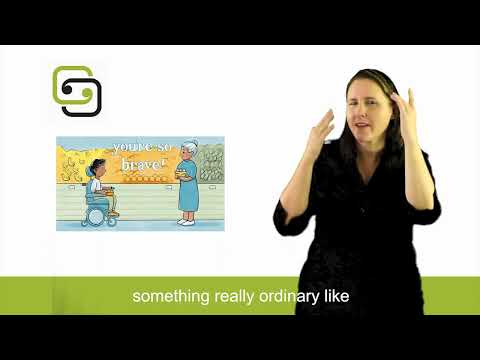
- Begin with your dominant hand in a flat ‘B’ handshape (palm down).
- Position your hand near your chest, slightly to one side.
- Move your hand forward and slightly upward, as if reaching out to take action.
- Facial expression should be engaged and determined, reflecting the intent of taking action.
Common Mistakes
- Not using the correct handshape; ensure your hand is flat and not curled.
- Neglecting facial expressions, which can change the meaning of the sign.
- Moving the hand too quickly; a deliberate motion conveys clearer meaning.
NZSL vs ASL
In NZSL, the sign for “(take) action, activity” has a unique handshape and movement style that differs from American Sign Language (ASL). While ASL may use different signs or handshapes for similar concepts, the emphasis on facial expression is a shared feature in both languages.
Related Signs
- (All Of) You – A sign used to refer to a group of people.
- (Be) Careful – Used to advise caution in various situations.
- (Be) Passive – Signifying a lack of action or engagement.
Frequently Asked Questions
How can I use this sign in a sentence?
You could say, “I want to take action in our community,” signing the phrase with emphasis on “(take) action” to indicate your intent.
Are there regional variations in this sign across NZ?
While the core sign remains consistent, some regional nuances may exist, reflecting local dialects or cultural influences within the Deaf community.
What are some similar signs I should learn?
Related signs include “(be) careful” and “(be) passive,” which can help expand your vocabulary around action and engagement.
Any tips for learning this sign?
Practice in front of a mirror to ensure your handshape and facial expressions are correct. Engaging with the Deaf community can also provide valuable feedback.
Can I use this sign in formal settings?
Yes, it’s appropriate to use this sign in both casual and formal contexts, especially when discussing activities or initiatives.
What if I need to express urgency in action?
You can increase the intensity of your movement and adjust your facial expression to show urgency when signing.
Practice This Sign
Try signing (Take) Action, Activity with your camera and get AI coaching on your handshape, movement, and location.
Free · No signup required