
(Take) Action, Activity in New Zealand Sign Language (NZSL)
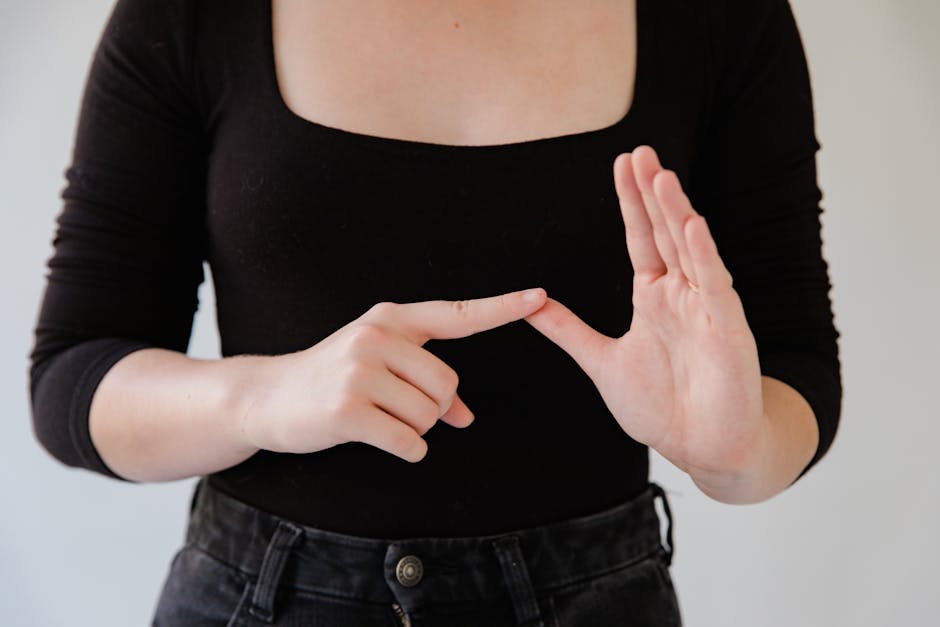
The sign for “(take) action” in NZSL is used to convey the idea of engaging in an activity or taking steps towards a goal. It is commonly used in discussions about plans, responsibilities, or initiatives within the Deaf community and beyond.
Table of Contents
How to Sign “(Take) Action, Activityact On, Active, Verbmahinoun; Verb” in NZSL
- Start with both hands in a flat ‘B’ handshape (palm facing down).
- Position your hands in front of your body, slightly apart at chest height.
- Move both hands forward simultaneously, creating a small arc as if pushing something away from you.
- As you move your hands, maintain a focused facial expression to convey determination or intent.
Common Mistakes
- One common mistake is not using both hands, which can make the sign feel incomplete.
- Some learners forget to maintain an engaged facial expression, which is essential for conveying the meaning effectively.
- Using a different handshape instead of the ‘B’ handshape can lead to confusion in interpretation.
NZSL vs ASL
In NZSL, the sign for action involves a specific handshape and movement that differs from the American Sign Language (ASL) equivalent, which may use a different handshape or fewer movements. NZSL incorporates unique signs influenced by New Zealand culture and te reo Māori, showcasing the language’s rich diversity.
Related Signs
- (All Of) You – A sign used to refer to a group of people.
- (Baby’S) Dummy – Referring to a pacifier used for babies.
- (Be) Careful – A sign indicating caution or warning.
- (Be) Passive – Describing a state of being less active or involved.
Frequently Asked Questions
How can I use this sign in a sentence?
You can say, “I need to take action on my project,” by signing the action sign after indicating the subject and context.
Are there regional variations in this sign?
While the sign is generally consistent across New Zealand, some regional variations may exist in speed or slight hand positioning.
What are some similar signs to learn?
Signs like “(Be) Active” and “(Take) Responsibility” also share thematic elements and can be useful in similar contexts.
What tips do you have for learning this sign?
Practice in front of a mirror to ensure your handshape and movement are accurate, and don’t forget to include facial expressions!
Can I use this sign in formal settings?
Yes, this sign is appropriate for both formal and informal contexts, making it versatile for various conversations.
What is the importance of facial expressions in NZSL?
Facial expressions provide context and emotion to your signs, which is crucial for clear communication in NZSL.
Practice This Sign
Try signing (Take) Action, Activityact On, Active, Verbmahinoun; Verb with your camera and get AI coaching on your handshape, movement, and location.
Free · No signup required