
Queer in New Zealand Sign Language (NZSL)

In NZSL, “queer” encompasses a wide range of identities within the LGBTQIA+ community. This term frequently appears in conversations about gender and sexual diversity, particularly during Pride events and in educational settings. Its usage plays an important role in affirming and celebrating queer identities within the New Zealand Deaf community.
Table of Contents
How to Sign “Queer” in NZSL
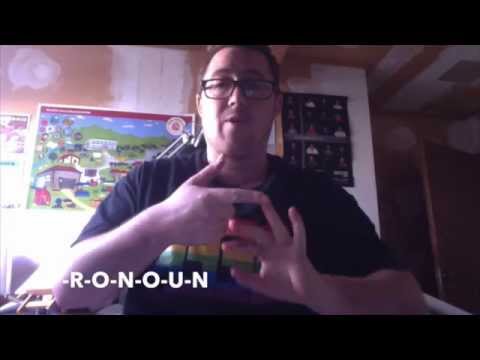
- Start with your dominant hand in a flat handshape (like the letter ‘B’).
- Position your hand near your chin with the palm facing outward.
- Move your hand away from your face in a small circular motion, maintaining the flat handshape.
- While signing, use an expressive facial expression to convey pride and confidence.
Common Mistakes
- Using a fist instead of a flat handshape, which can change the meaning of the sign.
- Not incorporating facial expressions, which are crucial for conveying the sign’s emotional context.
- Failing to perform the circular motion, which is an essential part of the sign’s movement.
NZSL vs ASL
The sign for “queer” in NZSL differs from American Sign Language (ASL). In NZSL, the circular motion is an important feature, while ASL may use a different handshape or movement. Understanding these differences can help learners adapt to various sign languages.
Related Signs
- (All Of) You – A sign used to refer to a group of people inclusively.
- (Baby’S) Dummy – A sign representing a baby’s pacifier, often used in discussions about family.
- (Be) Careful – A sign emphasizing caution in various contexts.
- (Be) Passive – A sign describing passivity or lack of action.
Frequently Asked Questions
Can “queer” be used in NZSL sentences?
Yes, you can use “queer” in sentences to refer to someone’s identity. For example, “They identify as queer” can be signed effectively in NZSL.
Are there regional variations for the sign “queer” across New Zealand?
While the sign is generally consistent, some regions might have slight variations in movement or facial expression. It’s good to observe local Deaf community usage.
Are there similar signs to “queer” in NZSL?
Yes, related signs like “LGBTQIA+” or specific gender identity signs may have unique representations in NZSL.
What tips can help me learn the sign “queer”?
Practice in front of a mirror, focus on facial expressions, and learn from native signers. Joining Deaf community events can also enhance your learning.
Is the sign “queer” used the same way in formal settings?
Yes, “queer” can be used in both casual and formal contexts, especially when discussing identity and diversity.
How can I improve my NZSL skills overall?
Engage with the Deaf community, attend NZSL classes, and watch videos featuring fluent signers to enhance your skills.
Practice This Sign
Try signing Queer with your camera and get AI coaching on your handshape, movement, and location.
Free · No signup required