
Proud (adjective) in New Zealand Sign Language (NZSL)
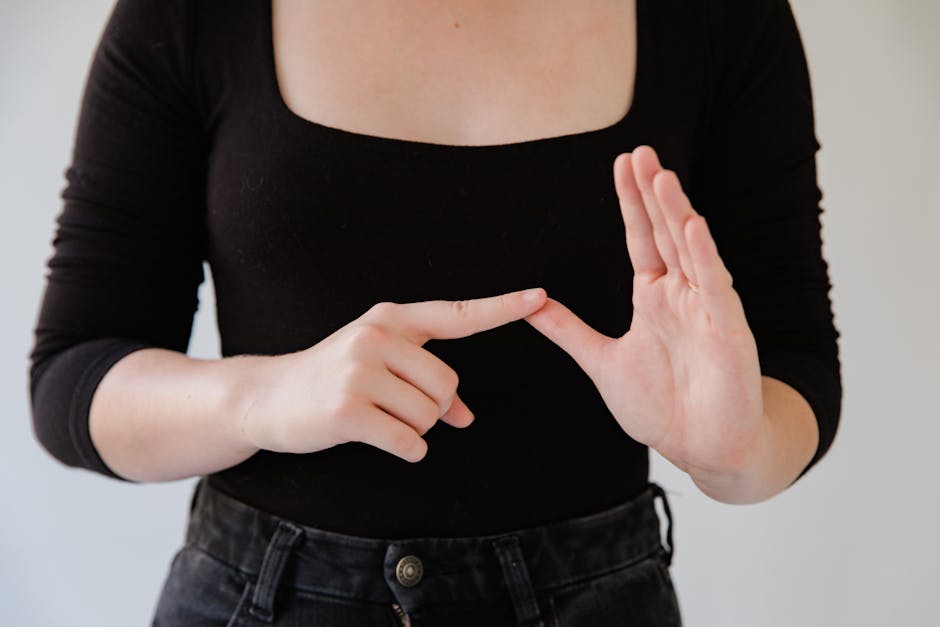
The sign for “proud,” which can also mean to show off, boast, or take pride in something, is commonly used in the New Zealand Deaf community to express feelings of pride or achievement. This sign encapsulates the essence of celebrating one’s accomplishments and can be used in various contexts, from personal achievements to communal pride.
Table of Contents
How to Sign “Proud, Show Offboast, Brag, Take Pride InwhakahīHī, Whakamenemeneadjective; Verb” in NZSL
- Start with your dominant hand in a flat handshape (like a “B” handshape) with fingers extended and together.
- Position your hand slightly below your chin, palm facing in towards your face.
- As you express pride, move your hand upwards away from your chin while slightly puffing your chest out to convey a sense of pride.
- Maintain a confident facial expression, possibly with a smile, to reflect the positive emotion associated with feeling proud.
Common Mistakes
- Using a closed fist instead of a flat handshape, which can change the meaning of the sign.
- Not moving the hand away from the chin, which may make the sign less expressive.
- Failing to incorporate appropriate facial expressions, which are crucial in NZSL for conveying emotions.
NZSL vs ASL
In NZSL, the sign for “proud” emphasizes both the hand movement and facial expressions. In comparison, the American Sign Language (ASL) sign may involve different hand shapes and movements, reflecting the distinct linguistic features of each sign language.
Related Signs
- Achievement – A sign representing success and accomplishments.
- Pride – Expressing a sense of satisfaction or respect for oneself or others.
- Succeed – Indicating success in a task or goal.
- Celebrate – A sign used during joyful occasions, often linked to achievements.
Frequently Asked Questions
How can I use “proud” in a sentence in NZSL?
You can combine the sign with other signs to express sentences like “I am proud of my achievements” by signing “I PROUD ACHIEVEMENTS” with appropriate facial expressions.
Are there regional variations of this sign in New Zealand?
While the sign for “proud” is generally consistent across New Zealand, some regions may have slight variations in facial expressions or movement styles, reflecting local Deaf culture.
What are some similar signs to “proud”?
Signs like “celebrate” and “achievement” can convey similar sentiments and are often used in conjunction with “proud” to enhance meaning.
Can I use this sign to express pride in others?
Absolutely! You can use the sign to express pride in someone else’s achievements by incorporating their name or referring to them in the sign.
What tips do you have for learning this sign?
Practice in front of a mirror to ensure your handshape and facial expressions are correct. Watching native signers can also help in mastering the sign.
Is this sign commonly used in everyday conversation?
Yes, expressing pride is a common theme in conversations, especially when discussing personal or group achievements.
Practice This Sign
Try signing Proud, Show Offboast, Brag, Take Pride InwhakahīHī, Whakamenemeneadjective; Verb with your camera and get AI coaching on your handshape, movement, and location.
Free · No signup required