
Practice, Training in New Zealand Sign Language (NZSL)
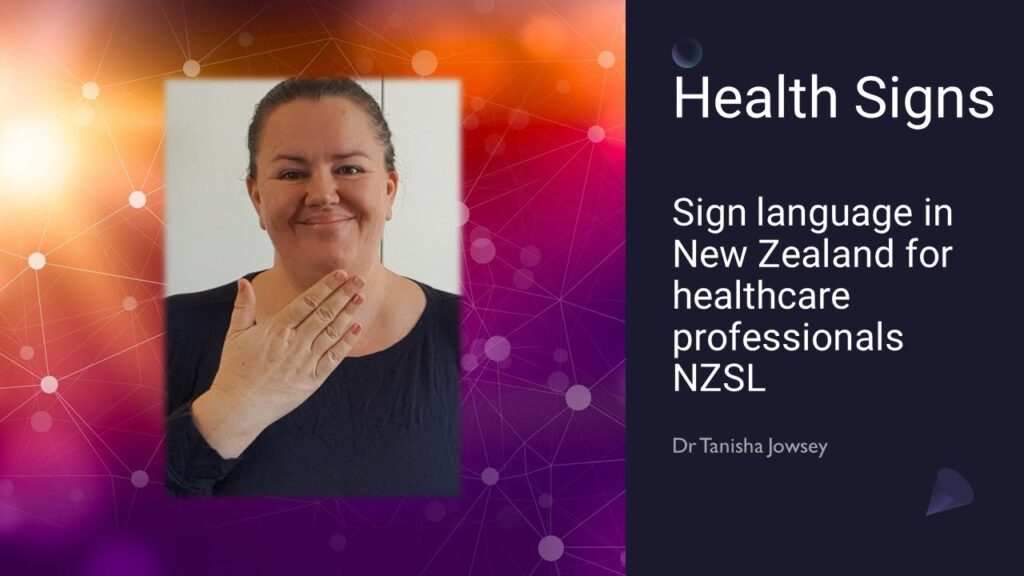
The sign for “practice” or “training” in NZSL is commonly used in various contexts, especially within educational and professional settings. It conveys the idea of honing skills or abilities through repeated exercises or activities. This sign is significant in the Deaf community, reflecting the importance of continuous learning and improvement.
Table of Contents
How to Sign “Practice, Training” in NZSL

- Start with your dominant hand in a flat handshape (like a ‘B’ handshape) with your palm facing down.
- Position your other hand in a similar flat handshape, also with the palm facing down, close to the first hand.
- Move your dominant hand in a small circular motion while keeping it parallel to the other hand.
- Maintain a focused facial expression that reflects concentration or effort, as this enhances the meaning of the sign.
Common Mistakes
- Confusing the handshape: Make sure both hands are flat; using a fist can change the meaning.
- Incorrect movement: Avoid large or exaggerated movements; keep the circular motion small and controlled.
- Neglecting facial expressions: Facial expressions are crucial in NZSL; a neutral expression may confuse the sign’s intent.
NZSL vs ASL
In NZSL, the sign for “practice” involves a specific flat handshape and movement that differs from the sign in ASL. ASL often uses a different handshape and may incorporate more motion. This highlights how NZSL has unique characteristics influenced by both British Sign Language (BSL) and local cultural elements.
Related Signs
- (All Of) You – A sign used for addressing multiple people.
- (Baby’s) Dummy – A sign used for a pacifier.
- (Be) Careful – A sign used to caution someone.
- (Be) Born, (Give) Birth – A sign related to childbirth.
- (Be) Passive – A sign indicating a passive state.
Frequently Asked Questions
How can I use “practice” in a sentence?
You can say, “I need to practice my signing skills,” which in NZSL would involve signing “I” followed by “need,” then “practice,” and finally “my signing skills.”
Are there regional variations of this sign in New Zealand?
While the sign is generally consistent, some regions may have slight variations in movement or emphasis based on local Deaf culture.
What is a similar sign to “practice”?
The sign for “training” is closely related and is often used interchangeably, focusing on skill development.
What tips do you have for learning this sign?
Practice in front of a mirror to ensure your handshape and movement are correct. Watching videos of fluent NZSL users can also help.
Can this sign be used in other contexts?
Yes, the concept of “practice” can apply to various activities, such as sports or arts, where skill development is key.
Is facial expression important in this sign?
Absolutely! Facial expressions convey the effort and seriousness of the practice, making it more expressive.
Practice This Sign
Try signing Practice, Training with your camera and get AI coaching on your handshape, movement, and location.
Free · No signup required