
Praisecommend, Complimentwhakanui(a), Mihi(a)verb in New Zealand Sign Language (NZSL)
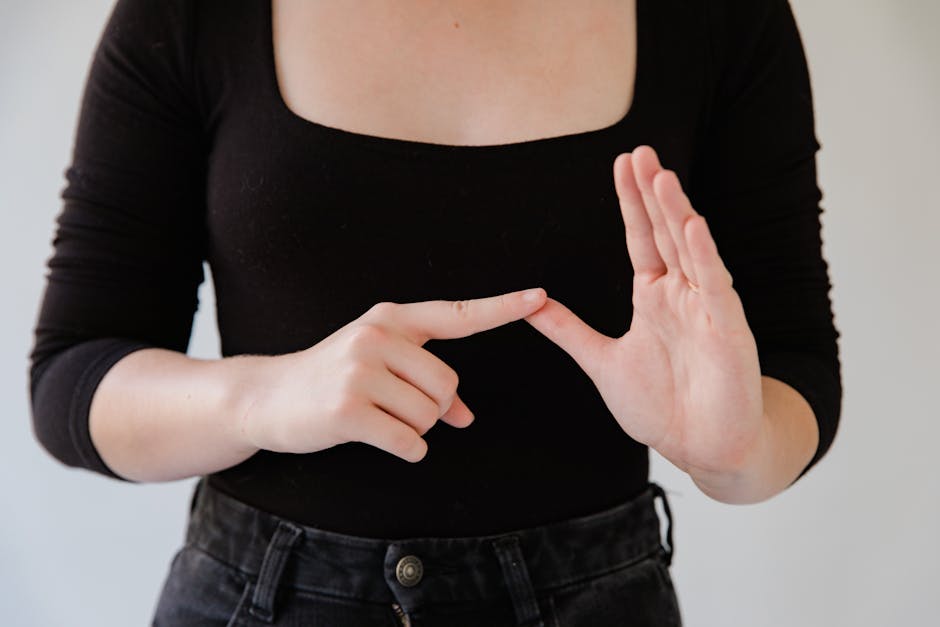
The sign for “praise,” “compliment” or “whakanui,” also known as “mihi,” is a beautiful way to express admiration or appreciation within the New Zealand Deaf community. This sign is often used to acknowledge someone’s achievements, character, or efforts, fostering a sense of positivity and encouragement. It resonates deeply with the cultural value of recognizing and uplifting one another.
Table of Contents
How to Sign “Praisecommend, Complimentwhakanui(A), Mihi(A)Verb” in NZSL
- Start with your dominant hand in a “flat hand” shape (like a slightly open palm).
- Position your hand near your chest, with your palm facing towards you.
- Move your hand outward in a gentle arc away from your body, as if you are extending your appreciation toward someone.
- While performing the movement, maintain a warm and positive facial expression, as this adds to the meaning of the sign.
Common Mistakes
- Forgetting to maintain a positive facial expression, which can make the sign feel less genuine.
- Using a fist instead of a flat hand, which changes the meaning of the sign.
- Not moving the hand outward enough, making it look like a different sign or expression.
NZSL vs ASL
In NZSL, the sign for “praise” involves a flat hand moving outward from the chest, emphasizing warmth and openness. In contrast, ASL uses a different handshape and motion, reflecting the unique characteristics of each sign language. This highlights the distinct cultural and linguistic identities of the NZ Deaf community compared to those in regions using ASL.
Related Signs
- Acknowledge – To recognize or accept the existence or importance of someone or something.
- Encourage – To give support or confidence to someone.
- Respect – To show admiration or consideration for someone.
- Appreciate – To recognize the full worth of someone or something.
- Support – To hold up or reinforce someone, both emotionally and physically.
Frequently Asked Questions
How can I use this sign in a sentence?
You can say, “I want to praise my friend for their hard work!” by using the sign after introducing the subject.
Are there regional variations of this sign in New Zealand?
While the sign is generally consistent, some regions may have slight variations in movement or facial expression based on local dialects and community preferences.
What are some signs that are similar to “praise”?
Related signs include acknowledge and respect, which can be used in similar contexts of appreciation.
What tips do you have for learning this sign?
Practice in front of a mirror to ensure your hand shape and facial expressions are correct. Also, try using the sign in conversations to build confidence.
Can this sign be used in formal settings?
Yes, this sign is appropriate in both casual and formal settings, making it versatile for various contexts where recognition is needed.
Are there cultural aspects to consider while using this sign?
In the Deaf community, using this sign with sincere emotion is crucial, as it reflects the value placed on genuine connections and support.
Practice This Sign
Try signing Praisecommend, Complimentwhakanui(A), Mihi(A)Verb with your camera and get AI coaching on your handshape, movement, and location.
Free · No signup required