
Pauanui in New Zealand Sign Language (NZSL)
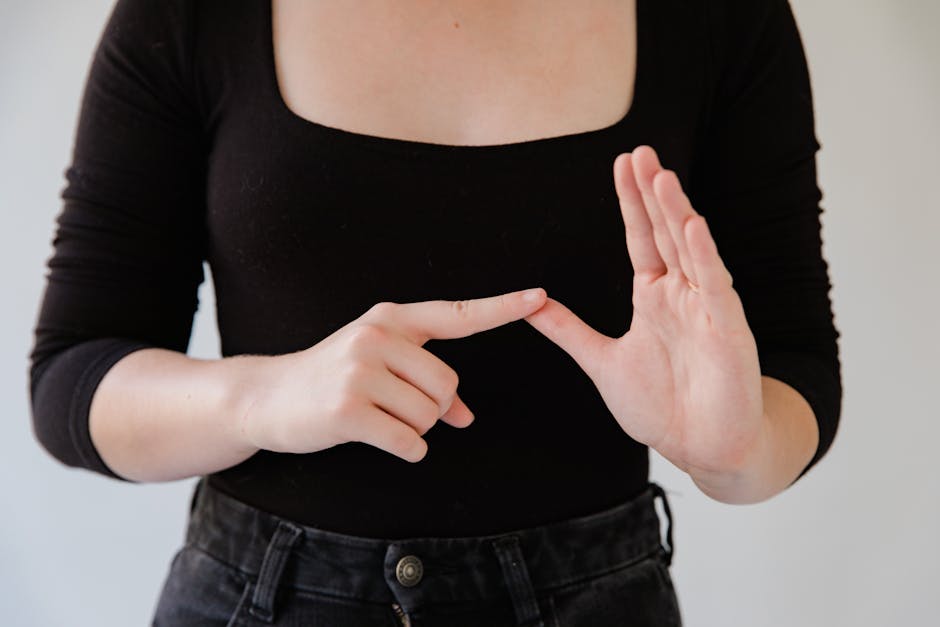
The sign “pauanuipauanuinoun” in NZSL refers to a specific concept or term used within the Deaf community of New Zealand. This sign encapsulates both cultural and linguistic nuances that reflect the rich heritage of the NZ Deaf community and its connections to te reo Māori. It’s often used in conversations relating to personal identities or experiences.
Table of Contents
How to Sign “Pauanuipauanuinoun” in NZSL
- Start with your dominant hand in a flat ‘B’ hand shape.
- Position your hand in front of your chest, palm facing towards you.
- Move your hand forward and slightly upward, maintaining the ‘B’ shape throughout the movement.
- As you move your hand, add a facial expression that conveys understanding or empathy.
Common Mistakes
- Using a curled hand shape instead of a flat ‘B’ hand shape.
- Not maintaining eye contact, which is crucial for effective communication in NZSL.
- Forgetting to incorporate the appropriate facial expressions that convey the context of the sign.
NZSL vs ASL
In NZSL, “pauanuipauanuinoun” has its unique signs and movements distinct from ASL. While ASL may use different hand shapes or movements to convey similar concepts, NZSL incorporates elements of te reo Māori, reflecting its cultural context. This highlights the importance of understanding local variations in sign language.
Related Signs
- (All Of) You – A sign used to refer to a group of people.
- (Be) Careful – A sign indicating caution or warning.
- (Baby’S) Dummy – Refers to a pacifier used for infants.
Using “Pauanuipauanuinoun” in Everyday Conversations
The sign “Pauanuipauanuinoun” can be integrated into various everyday conversations, reflecting both context and emotion. Here are a few example sentences that showcase how this sign might be used:
- “I feel pauanuipauanuinoun about the upcoming event.” – This could be used when discussing feelings of excitement or anticipation for a community gathering or celebration.
- “The pauanuipauanuinoun atmosphere at the concert was amazing!” – This sentence might come up while describing the lively and vibrant environment at a Deaf event or a concert featuring Deaf performers.
- “When we celebrate, we embrace pauanuipauanuinoun with everyone.” – This could be used in conversations about inclusiveness and community spirit during cultural celebrations.
Cultural Notes
The sign “Pauanuipauanuinoun” holds specific cultural significance within the New Zealand Deaf community. It reflects a deep appreciation for shared experiences and emotions, which are vital in Deaf culture. Recognised as an official language since 2006, NZSL stands alongside te reo Māori and English, highlighting the importance of linguistic diversity in Aotearoa.
Furthermore, the connections to te reo Māori are significant, as many signs in NZSL are influenced by Māori culture and language. This blending creates a unique form of expression that fosters a stronger sense of community and identity among Deaf individuals. Additionally, regional variations in NZSL may affect how “Pauanuipauanuinoun” is signed or understood, illustrating the richness of New Zealand’s Deaf culture.
Tips for Learning This Sign
Practicing “Pauanuipauanuinoun” effectively can enhance your fluency and comfort in using NZSL. Here are some helpful tips:
- Mirror Practice: Stand in front of a mirror while signing. This helps you see your hand movements and facial expressions, which are crucial in NZSL.
- Facial Expressions: Pay attention to the facial expressions that accompany the sign. Emotions can change the meaning and context of your signing.
- Use in Short Sentences: Incorporate “Pauanuipauanuinoun” into brief signed sentences. This practice not only reinforces your memory but also helps you become more comfortable using it in conversation.
By incorporating these strategies, you’ll be able to understand and express “Pauanuipauanuinoun” with confidence in your everyday interactions.
Frequently Asked Questions
How can I use “pauanuipauanuinoun” in a sentence?
You can use it to express personal experiences, such as “I feel pauanuipauanuinoun about my identity.”
Are there regional variations of this sign in New Zealand?
Some regions might have slight variations in the hand shape or movement, but the core concept remains the same.
What are some similar signs to “pauanuipauanuinoun”?
Signs like (All Of) You and (Be) Careful share thematic connections with this sign.
What tips do you have for learning this sign?
Practice in front of a mirror to ensure your hand shape and facial expressions are clear and accurate.
Can I use this sign in casual conversations?
Yes, it’s commonly used in everyday discussions within the Deaf community.
Is “pauanuipauanuinoun” used in formal settings?
It can be used in both formal and informal contexts, depending on the situation’s appropriateness.
Practice This Sign
Try signing Pauanuipauanuinoun with your camera and get AI coaching on your handshape, movement, and location.
Free · No signup required