
Eye Contact in New Zealand Sign Language (NZSL)

“Eye contact” in NZSL is a vital aspect of communication within the Deaf community. It signifies attention, engagement, and connection during conversations. Maintaining eye contact is essential, as it conveys respect and ensures that all participants are included in the interaction.
Table of Contents
How to Sign “Eye Contact” in NZSL
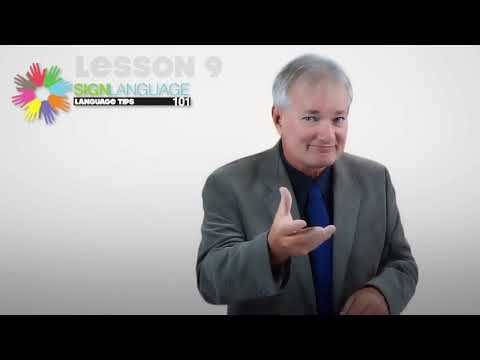
- Start with both hands open and flat, palms facing down.
- Position your hands in front of your face, about shoulder-width apart.
- Bring your hands closer together while moving them slightly towards your eyes.
- Maintain a relaxed facial expression and ensure your eyes are focused on the person you are communicating with.
- Optionally, nod your head to emphasize engagement and understanding.
Common Mistakes
- Forgetting to maintain eye contact throughout the conversation, which can make the interaction feel disconnected.
- Using overly fast hand movements that can distract from the message being conveyed.
- Neglecting facial expressions, which are crucial for conveying emotions in NZSL.
NZSL vs ASL
In NZSL, the sign for “eye contact” emphasizes the act of looking directly at the person and includes hand movements to represent focus. In contrast, ASL may use a different sign or gesture that does not incorporate hand movements in the same way, focusing more on the concept rather than the physical act of eye contact.
Related Signs
- (All Of) You – A sign for addressing a group or individual.
- (Be) Careful – A sign emphasizing caution in various contexts.
- (Baby’S) Dummy – A sign related to infants and care.
- (Be) Passive – A sign indicating a state of being less active or engaged.
Frequently Asked Questions
How do I use “eye contact” in a sentence?
You can use “eye contact” in a sentence by saying, “It’s important to make eye contact when signing to show you are engaged.”
Are there regional variations for this sign in New Zealand?
While the sign for “eye contact” is generally consistent, some regional variations may exist in the way it is performed, influenced by local dialects or community preferences.
What are some similar signs to “eye contact”?
Signs like “attention,” “listen,” or “engage” may convey related meanings in different contexts.
What tips do you have for learning this sign?
Practice with a partner and focus on maintaining eye contact. Use a mirror to check your facial expressions and hand movements.
Can I use “eye contact” in formal settings?
Yes! Maintaining eye contact is crucial in both casual and formal settings to convey respect and attentiveness.
How does eye contact impact communication?
Eye contact strengthens connections, shows confidence, and helps convey emotions effectively in NZSL.
Practice This Sign
Try signing Eye Contact with your camera and get AI coaching on your handshape, movement, and location.
Free · No signup required