
NZSL Yes and No in New Zealand Sign Language (NZSL)
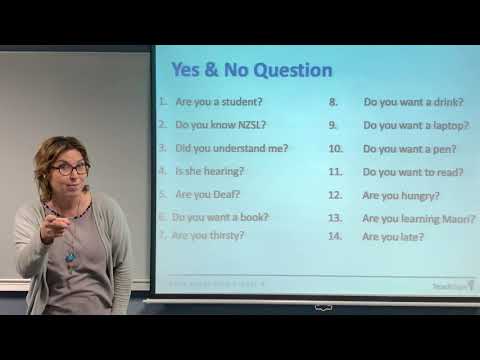
The NZSL signs for “yes” and “no” are fundamental expressions in everyday communication within the New Zealand Deaf community. These signs are commonly used to affirm or negate statements and are integral to conversations, making them essential for all learners of NZSL.
Table of Contents
How to Sign “Nzsl Yes And No” in NZSL
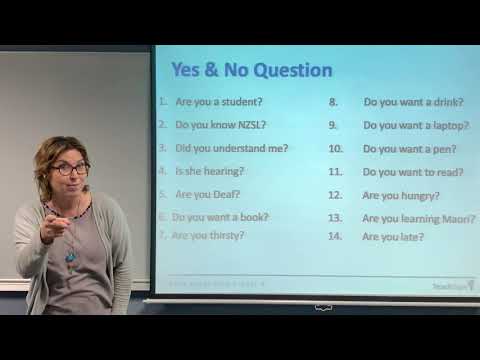
- Sign “Yes”: Make a fist with your dominant hand. Place it at chin level and nod your head slightly as you move your fist forward a little.
- Sign “No”: Extend your dominant hand with your fingers together and thumb extended. Bring your hand to your mouth and snap your fingers together, as if mimicking a mouth saying “no.” You can also shake your head slightly while doing this for emphasis.
Common Mistakes
- For “yes,” learners sometimes forget to nod their head, which adds emphasis to the affirmation.
- In the “no” sign, some people may not bring their hand to their mouth, making the sign less clear.
- Confusing the hand shapes or movements between “yes” and “no” can lead to misunderstandings.
NZSL vs ASL
In NZSL, “yes” is signed with a fist nodding forward, while in ASL, a similar fist is made, but the movement and facial expressions differ slightly. For “no,” NZSL uses a hand movement mimicking a mouth, whereas ASL uses a different hand shape and motion. Understanding these nuances is vital for effective communication.
Related Signs
- 1 – The sign for the number one.
- 10 – The sign for the number ten.
- 100 – The sign for the number one hundred.
- (Nzsl) – A link to learn more about NZSL as a language.
- (Asl) – A comparison with American Sign Language.
Frequently Asked Questions
Can I use “yes” and “no” in NZSL sentences?
Yes, these signs are commonly used in sentences to affirm or negate statements, just like in spoken language.
Are there regional variations in signing “yes” and “no” across New Zealand?
Generally, the signs for “yes” and “no” are consistent throughout New Zealand, although some regional dialects may have slight variations in facial expressions.
Are there similar signs for “yes” and “no” in other sign languages?
Yes, many sign languages have their own variations of “yes” and “no,” but they may differ in hand shapes and movements, such as in ASL.
What are some tips for learning these signs?
Practice in front of a mirror to check your hand shapes and movements, and try to incorporate these signs into everyday conversations for better retention.
Can I use “yes” and “no” in a conversation with hearing people?
Absolutely! Many hearing people are familiar with these signs, especially in diverse settings where NZSL is used.
How important is facial expression when signing “yes” and “no”?
Facial expressions are crucial in NZSL as they add meaning and emphasis, enhancing the clarity of your signs.
Practice This Sign
Try signing Nzsl Yes And No with your camera and get AI coaching on your handshape, movement, and location.
Free · No signup required