
NZSL Signs in New Zealand Sign Language (NZSL)

The sign for “nzsl signs” is used within the New Zealand Deaf community to refer to the signs and vocabulary specific to New Zealand Sign Language (NZSL). This expression is commonly used in conversations about learning, teaching, and sharing knowledge related to NZSL. It embodies the rich culture and identity of the Deaf community in Aotearoa, especially since NZSL became an official language of New Zealand in 2006.
Table of Contents
How to Sign “Nzsl Signs” in NZSL
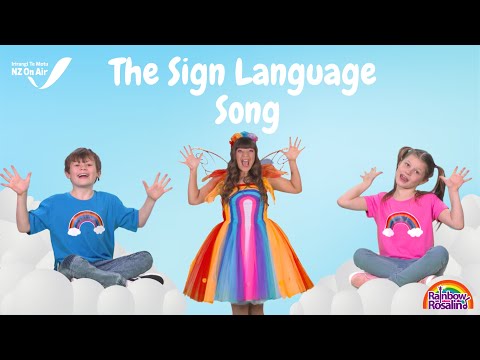
- Start with your dominant hand in the “S” handshape, which is a fist with your thumb resting on the outside of your fingers.
- Hold your hand near your forehead, with your palm facing outwards.
- Move your hand slightly forward and away from your forehead while keeping the “S” handshape.
- Next, use your non-dominant hand to form a flat handshape (the “B” handshape) and place it in front of your dominant hand.
- In one fluid motion, bring your dominant “S” hand downwards towards the non-dominant hand, creating a space between them as you sign “signs”.
- Maintain an engaging facial expression, indicating that you are discussing the language and its features.
Common Mistakes
- Forgetting to maintain a clear handshape, which can confuse the meaning.
- Not using facial expressions, which are crucial in NZSL for conveying tone and context.
- Rushing through the sign without proper movement, leading to a misunderstanding of the sign’s meaning.
NZSL vs ASL
In NZSL, the sign for “nzsl signs” incorporates local handshapes and movements distinct from American Sign Language (ASL). While ASL may use different signs for similar concepts, NZSL emphasizes its unique cultural context and ties to te reo Māori, reflecting the linguistic diversity of New Zealand.
Related Signs
- ASL – Referring to American Sign Language.
- NZSL – The sign for New Zealand Sign Language itself.
- 1 – The sign for the number one.
- 10 – The sign for the number ten.
- 100 – The sign for the number one hundred.
Frequently Asked Questions
How can I use “nzsl signs” in a sentence?
You might say, “I am learning nzsl signs to communicate better with my friends.”
Are there regional variations for this sign in NZ?
There may be subtle variations in how this sign is performed across different regions, but the core handshapes and movements remain consistent.
What are some similar signs to “nzsl signs”?
Related signs include “NZSL”, “sign”, and “language”, each reflecting different aspects of communication in NZSL.
What tips can help me learn this sign more effectively?
Practice regularly in front of a mirror to check your handshape and movement, and try to engage with members of the Deaf community for feedback.
Can I find resources to learn more about NZSL?
Yes! There are various online platforms, community classes, and resources available to help you learn NZSL effectively.
Is facial expression really that important in NZSL?
Yes, facial expressions enhance the meaning of signs, conveying emotions, questions, and nuances that are vital for effective communication.
Practice This Sign
Try signing Nzsl Signs with your camera and get AI coaching on your handshape, movement, and location.
Free · No signup required