
Number Plate in New Zealand Sign Language (NZSL)
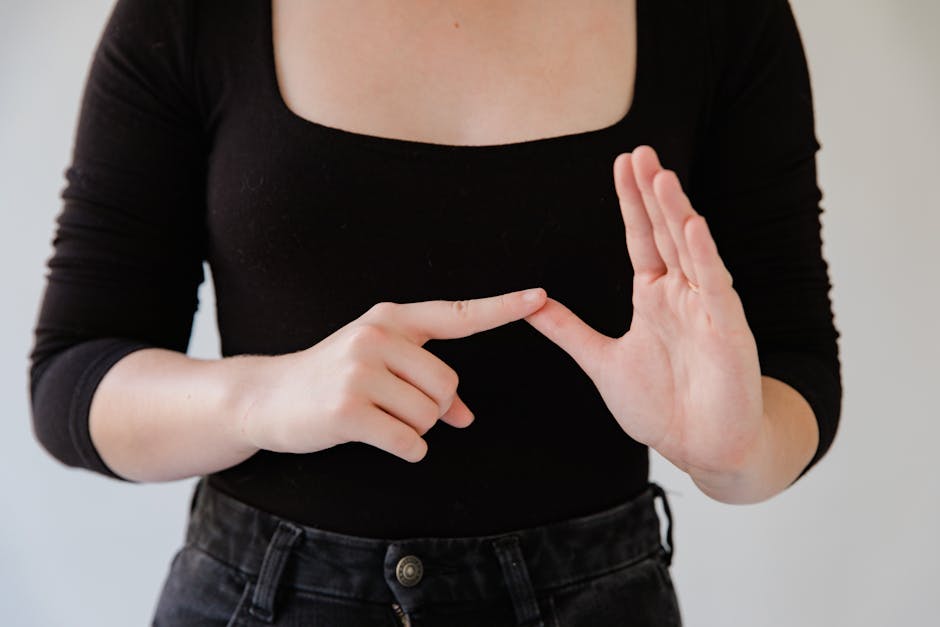
The sign for “number plate” or “license plate” is an essential part of NZSL vocabulary, especially when discussing vehicles or road safety. This sign is commonly used in everyday conversations within the Deaf community in New Zealand, particularly when identifying or referencing cars and their registrations.
Table of Contents
How to Sign “Number Platelicense Plate, Vehicle Registration Platepapa Nama, Pereti Raihananoun” in NZSL
- Start with your dominant hand in the shape of the letter “P.” Your thumb and index finger should be extended, while the rest of your fingers are tucked in.
- Position your hand at about chest height, palm facing towards you.
- Move your hand slightly forward and then back to your chest. This motion represents the action of identifying or showing the license plate.
- Maintain a neutral facial expression, but feel free to add a slight nod when you finish the sign to indicate completion.
Common Mistakes
- Forgetting to use the correct handshape; some learners may accidentally use a flat hand instead of the “P” handshape.
- Not maintaining the appropriate distance from the body when signing, which can make the sign less clear.
- Over-exaggerating the movement; the action should be subtle to convey the meaning accurately.
NZSL vs ASL
In NZSL, the sign for “number plate” is performed with a ‘P’ handshape and a forward-backward motion. In contrast, ASL uses a different handshape and movement, often incorporating a more dramatic gesture. This highlights the unique characteristics of NZSL, influenced by its own cultural context and the local Deaf community.
Related Signs
- Vehicle – A general sign for any type of transport.
- Registration – Refers to the process of registering a vehicle.
- Number – Used to convey any numerical information.
- Plate – Can refer to various types of plates, including food or license plates.
- Traffic – Related to the concept of vehicles and road use.
Frequently Asked Questions
How can I use “number plate” in a sentence?
You can say, “I saw a car with a unique number plate” by signing the full sentence, incorporating the sign for “car” and “unique.”
Are there regional variations for this sign in NZ?
The sign is generally consistent across New Zealand, but some may emphasize the movement differently based on local sign language influences.
What are similar signs to “number plate”?
Related signs include “vehicle,” “registration,” and “plate,” which can be useful in conversations about cars.
What tips can help me learn this sign effectively?
Practice in front of a mirror to check your handshape and movement, and try to learn with a Deaf friend or teacher for real-time feedback.
Is NZSL influenced by other sign languages?
Yes, NZSL has influences from British Sign Language (BSL) but also includes unique signs and is enriched by te reo Māori.
Can I find resources to learn more about NZSL?
Yes, many online resources and local classes are available to help you improve your NZSL skills.
How can I incorporate this sign into everyday conversation?
Use it when discussing cars, road trips, or while sharing experiences about driving with friends or family.
Practice This Sign
Try signing Number Platelicense Plate, Vehicle Registration Platepapa Nama, Pereti Raihananoun with your camera and get AI coaching on your handshape, movement, and location.
Free · No signup required