
Man in New Zealand Sign Language (NZSL)
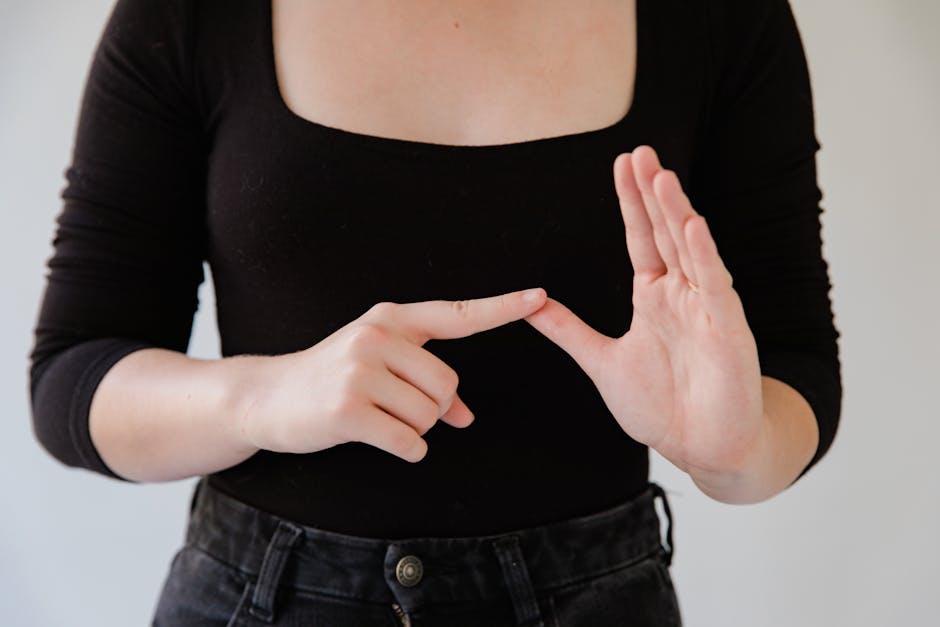
The sign “maniapotongāti maniapotonoun” refers to the concept of ‘man’ in NZSL. It is commonly used in everyday conversations within the Deaf community and plays an important role in expressing gender identity and roles. This sign is a part of the rich tapestry of NZSL, which became an official language in New Zealand in 2006.
Table of Contents
How to Sign “Maniapotongāti Maniapotonoun” in NZSL
- Start with your dominant hand in a flat ‘B’ handshape (palm facing down).
- Position your hand in front of your chest, around the area of your heart.
- Move your hand slightly forward while maintaining the flat handshape.
- Use a serious or neutral facial expression to convey the meaning clearly.
Common Mistakes
- Using the wrong handshape; ensure it remains flat and not a fist.
- Positioning the hand too high or too low; it should be at chest height.
- Neglecting facial expressions; expressions are vital in NZSL for conveying meaning.
NZSL vs ASL
In NZSL, “maniapotongāti maniapotonoun” is signed with a flat handshape, while in ASL, the equivalent sign for ‘man’ often uses a different handshape and location. This reflects the unique development of NZSL, which has influences from BSL as well as indigenous te reo Māori signs.
Related Signs
- (All Of) You – Sign used to refer to a group of people.
- (Baby’s) Dummy – A sign for a pacifier or soother for babies.
- (Be) Born, (Give) Birth – Related to the concept of life and creation.
- (Be) Careful – A sign to express caution.
Frequently Asked Questions
How can I use “maniapotongāti maniapotonoun” in a sentence?
You can use it in sentences like “The man is tall” by signing “MAN TALL”.
Are there regional variations of this sign in New Zealand?
While the sign is widely recognized, some regions may have slight variations in hand positioning.
What are some similar signs to “maniapotongāti maniapotonoun”?
Other gender-related signs include “woman” and “child,” each with its unique sign.
What tips do you have for learning this sign?
Practice in front of a mirror and ensure you focus on both the handshape and facial expression.
Can I use this sign in formal settings?
Yes, “maniapotongāti maniapotonoun” is appropriate in both informal and formal contexts.
How is the sign perceived within the Deaf community?
It is well-accepted and commonly used, reflecting the cultural understanding of gender.
Practice This Sign
Try signing ManiapotongāTi Maniapotonoun with your camera and get AI coaching on your handshape, movement, and location.
Free · No signup required