
Mama NZSL in New Zealand Sign Language (NZSL)
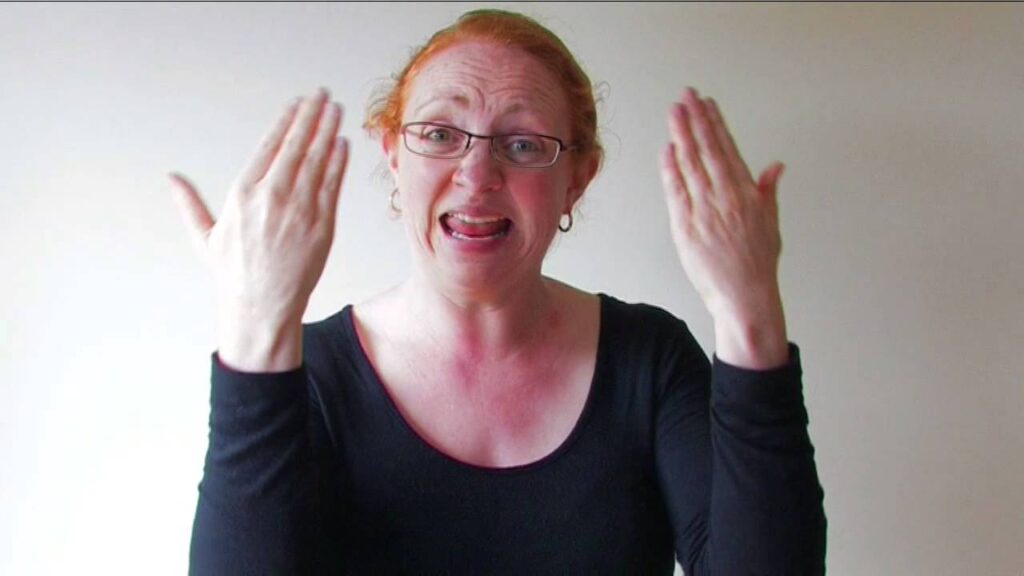
The sign “mama” in NZSL is a warm and affectionate way to refer to one’s mother. It’s often used in everyday conversation within the Deaf community, expressing love and respect for this important figure in our lives.
Table of Contents
How to Sign “Mama Nzsl” in NZSL
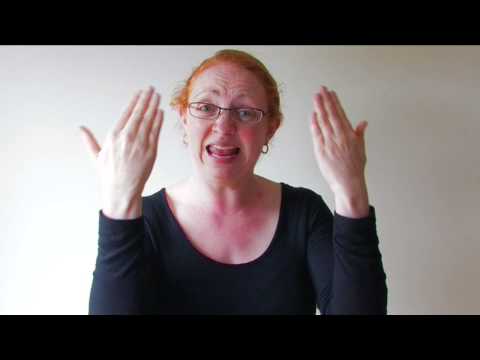
- Start with your dominant hand in a flat handshape (like a palm facing down).
- Position your hand near your chin or cheek.
- Gently move your hand away from your face, while keeping the palm facing down.
- Maintain a soft facial expression, reflecting warmth and affection.
Common Mistakes
- Not placing the hand close enough to the face, which can make the sign unclear.
- Using a stiff handshape instead of a relaxed flat hand, which can affect the sign’s expressiveness.
- Forgetting to include facial expressions, which are crucial in NZSL for conveying emotions.
NZSL vs ASL
In NZSL, the sign for “mama” involves a flat hand moving away from the face, while in ASL, the sign is made using an open hand that taps the chin. These differences highlight the unique characteristics of each sign language, embracing their distinct cultural contexts.
Related Signs
- Dad – The sign for ‘dad’ is similar but typically uses the forehead instead of the chin.
- Parent – A more general term for either mother or father.
- Family – A sign that encompasses the entire family unit.
- Love – A sign expressing affection, often used in conjunction with “mama.”
Using “Mama” in Everyday Conversations
The sign for “Mama” is commonly used in everyday conversations within the Deaf community. Here are a few example sentences that illustrate how this sign can naturally fit into discussions:
- Greeting: “Mama, how are you?” (Mama, you how?) – This can be used when you see your mother or a maternal figure and want to check in on them.
- Sharing news: “I went to the park with Mama.” (I park went with Mama.) – A casual way to share your experiences with friends or family.
- Expressing affection: “I love Mama.” (I love Mama.) – This simple but heartfelt expression is often used to show love and appreciation.
These examples reflect situations where using “Mama” feels natural and significant, fostering connections with family and friends.
Cultural Notes
The sign “Mama” holds a special place in the New Zealand Deaf community. Since NZSL was recognized as an official language of New Zealand in 2006, signs like “Mama” contribute to the rich tapestry of Deaf culture. The term embodies not only familial connections but also the values of respect and care prevalent in the community.
Moreover, NZSL has connections with te reo Māori, the language of the indigenous Māori people. This interweaving of languages and cultures enriches the way signs are perceived and used within the Deaf community. In different regions of New Zealand, variations in signing might occur, reflecting local customs and influences.
Tips for Learning This Sign
Practicing the sign for “Mama” can be both fun and effective. Here are some tips to help you learn and remember it:
- Mirror Practice: Use a mirror to practice the sign. This allows you to check your handshape and position, ensuring you’re forming the sign correctly.
- Facial Expressions: Pay attention to your facial expressions when signing. Sign languages heavily rely on non-manual markers, such as facial expressions, to convey emotions and context.
- Use in Context: Try integrating the sign into short signed sentences during conversations. For example, practice saying “Mama, I am home” (Mama, I home) when you walk in the door to create a natural association.
By incorporating these techniques, you’ll not only learn the sign effectively but also gain confidence in using it in your daily interactions.
Frequently Asked Questions
How can I use “mama” in a sentence?
You can say “I love my mama” by signing “I” (point to yourself) + “love” (cross arms over the chest) + “mama”.
Are there regional variations for this sign?
While the sign is generally consistent across New Zealand, some regional dialects may have slight variations in movement or expression.
What signs are similar to “mama”?
Similar signs include “dad” and “parent,” which refer to family members.
What tips do you have for learning this sign?
Practice in front of a mirror and pay attention to your facial expressions to convey the right emotions.
Can I use “mama” for other mother figures?
Yes, “mama” can be used affectionately for grandmothers or maternal figures in your life.
Is there a sign for “mother” that is different from “mama”?
Yes, “mother” has its own sign, often using the ‘M’ handshape near the chin.
Practice This Sign
Try signing Mama Nzsl with your camera and get AI coaching on your handshape, movement, and location.
Free · No signup required