
Midwife in New Zealand Sign Language (NZSL)
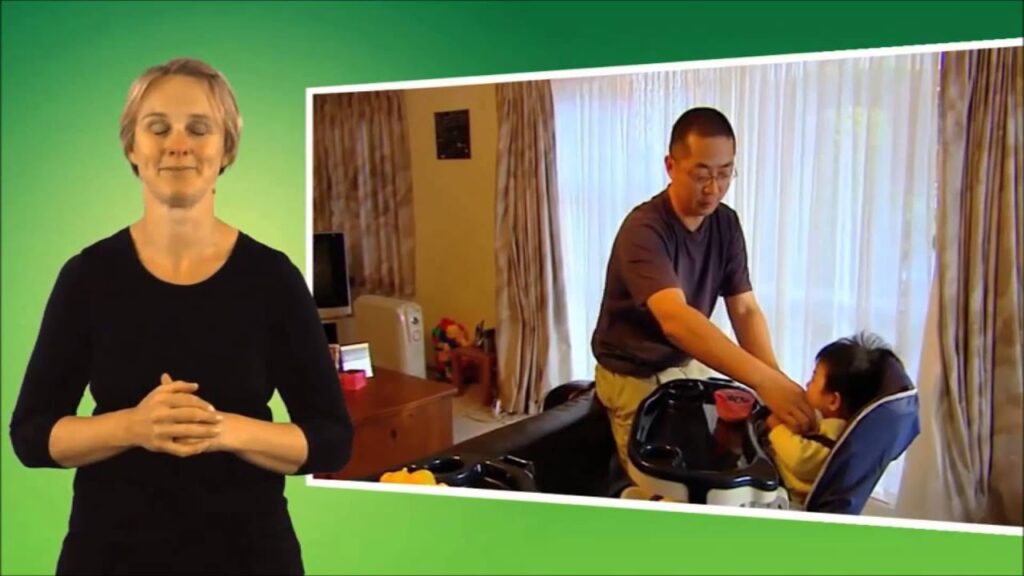
The sign for “midwife” in NZSL is used to refer to a trained health professional who assists women during childbirth. This term is commonly used in discussions about pregnancy, birthing practices, and maternal health within the Deaf community in New Zealand.
Table of Contents
How to Sign “Midwife” in NZSL
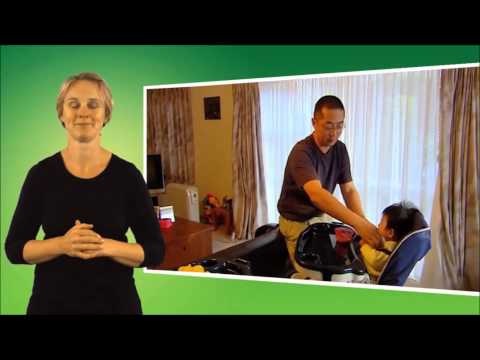
- Start with your dominant hand in a flat handshape (like a “B” hand) facing downwards.
- Place your non-dominant hand in a similar flat handshape, palm up, underneath your dominant hand.
- Slowly move your dominant hand downwards towards your non-dominant hand, as if you are cradling something.
- Facial expressions should reflect caring and attentiveness, as this sign represents a nurturing role.
Common Mistakes
- Forgetting to use both hands; the sign requires the interaction between the dominant and non-dominant hands.
- Using a fist handshape instead of a flat handshape, which alters the meaning.
- Neglecting facial expressions can make the sign less effective in conveying the nurturing aspect of the midwife’s role.
NZSL vs ASL
In NZSL, the sign for “midwife” uses a specific handshape and movement that may differ from ASL. While ASL might have a different sign altogether, NZSL incorporates unique cultural elements and specific hand movements that reflect the role of a midwife in the New Zealand context.
Related Signs
- (Be) Born, (Give) Birth – Sign related to childbirth.
- (Baby’s) Dummy – A sign for a common infant item.
- (Baby’s) Dummypacifiertāminoun – Another term for a baby’s pacifier.
Using “Midwife” in Everyday Conversations
The sign for “Midwife” can be used in various contexts, especially when discussing pregnancy, childbirth, and maternal health. Here are a few example sentences to illustrate how to incorporate this sign into everyday conversations:
- “My sister is seeing the midwife for her prenatal check-ups.” (SISTER MIDWIFE SEEING CHECK-UP)
- “The midwife helped during the birth at home.” (BIRTH HOME MIDWIFE HELPED)
- “I want to become a midwife because I love helping families.” (I WANT BECOME MIDWIFE LOVE HELPING FAMILIES)
These sentences might come up naturally in conversations among friends, family, or in health-related discussions where pregnancy and childbirth are the main topics.
Cultural Notes
In the New Zealand Deaf community, the role of a midwife is not just a profession but a significant part of family and cultural dynamics. NZSL is recognized as an official language of New Zealand since 2006, highlighting the importance of Deaf culture within the broader society. The sign for “Midwife” reflects the community’s values around healthcare and support during childbirth.
There is also a connection to te reo Māori, as many Māori families engage with midwives, particularly those who practice culturally safe birthing methods. Understanding these cultural contexts can enhance the appreciation of the sign and its usage among Deaf New Zealanders. Regional variations may exist in how the sign is articulated, reflecting the diverse experiences of Deaf communities across New Zealand.
Tips for Learning This Sign
Practicing the sign for “Midwife” can be enhanced through a variety of methods. Here are some tips to help you learn and remember it effectively:
- Mirror Practice: Use a mirror to watch your own signs. This helps ensure your movements and facial expressions match the sign accurately.
- Facial Expressions: Pay attention to the facial expressions that accompany the sign. They convey important nuances in meaning and emotion.
- Practice in Context: Create short signed sentences using the sign “Midwife” in different scenarios. This contextual practice reinforces memory and helps you become more comfortable using the sign.
By incorporating these strategies into your learning routine, you will find it easier to remember and use the sign for “Midwife” in your conversations.
Frequently Asked Questions
How do I use “midwife” in a sentence?
You can say, “My sister is a midwife” by signing “Sister” followed by “Midwife”.
Are there regional variations for this sign in New Zealand?
While the sign is generally consistent, some regions may have slight variations in hand movement.
What is a similar sign to “midwife”?
The sign for “nurse” shares some similarities but is distinct in movement and handshape.
Any tips for learning this sign?
Practice in front of a mirror and pay attention to your facial expressions, as they are vital for conveying the meaning.
Can I use this sign in te reo Māori contexts?
Yes, incorporating te reo Māori signs can enhance understanding and connection within Māori contexts.
Practice This Sign
Try signing Midwife with your camera and get AI coaching on your handshape, movement, and location.
Free · No signup required