
Mana in New Zealand Sign Language (NZSL)
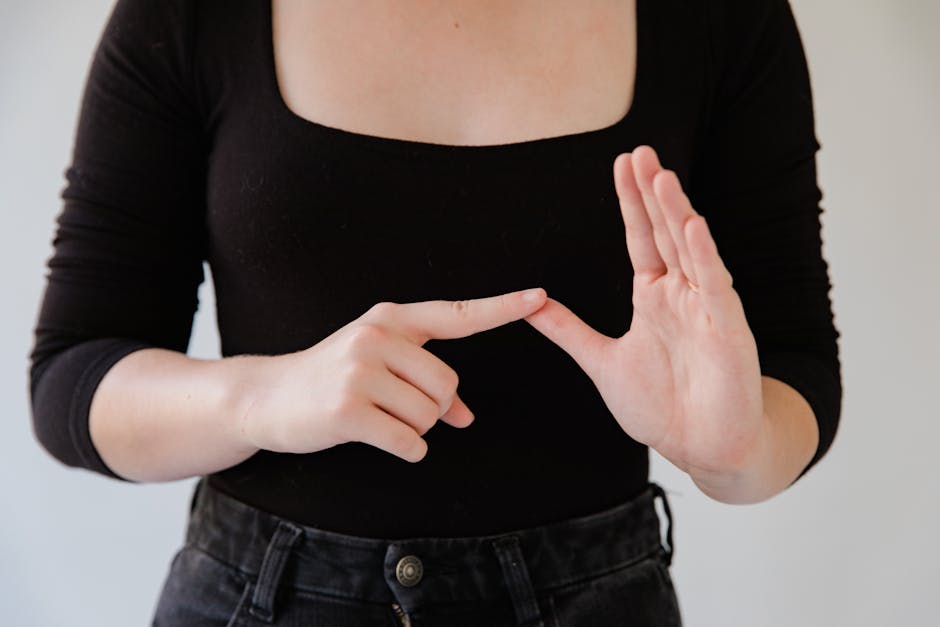
The sign “manamananoun” in NZSL refers to a common concept in everyday life, often used to describe a person or a specific role. It’s frequently used in conversations about family, friends, and community members, reflecting the importance of relationships in the New Zealand Deaf community.
Table of Contents
How to Sign “Manamananoun” in NZSL
- Start with your dominant hand in a flat shape, palm facing outwards.
- Position your hand at about chest height, slightly in front of you.
- Move your hand in a small circular motion, while maintaining the flat shape.
- As you sign, maintain an engaging facial expression to convey the significance of the person being referenced.
Common Mistakes
- Forgetting to use facial expressions, which can change the meaning of the sign.
- Making the circular movement too wide or exaggerated, which can lead to confusion.
- Using the wrong hand shape; ensure your hand remains flat throughout the sign.
NZSL vs ASL
In NZSL, the sign “manamananoun” has a unique handshape and movement compared to its ASL counterpart. While ASL might use a different sign entirely, NZSL incorporates specific cultural elements and influences, including signs derived from te reo Māori.
Related Signs
- (All Of) You – A sign used to refer to a group of people.
- (All Of) Youyou Allkoutou (Katoa)Pronoun – Another way to refer to a collective group.
- (Baby’S) Dummy – A sign related to infants and caregiving.
- (Be) Careful – A sign expressing caution, often used in safety discussions.
Using “Manamananoun” in Everyday Conversations
The sign “Manamananoun” can be seamlessly integrated into daily conversations within the Deaf community. Here are a few example sentences to illustrate its use:
- Context: Discussing a recent event at a gathering.
- Sentence: “I saw **Manamananoun** yesterday at the market.” (NZSL sign order: “Yesterday market **Manamananoun** I saw.”)
- Context: Talking about a mutual friend.
- Sentence: “Do you know **Manamananoun** from our school?” (NZSL sign order: “Our school **Manamananoun** you know?”)
- Context: Sharing opinions about a movie character.
- Sentence: “**Manamananoun** was the best part of the film!” (NZSL sign order: “Film best part **Manamananoun**.”)
These examples showcase how “Manamananoun” can be used in various social contexts, making conversations more engaging and expressive.
Cultural Notes
The sign “Manamananoun” holds significance within the New Zealand Deaf community, reflecting the unique cultural identity of Deaf individuals in Aotearoa. Since NZSL became an official language of New Zealand in 2006, it has gained recognition and respect, promoting the visibility of Deaf culture and its values.
Moreover, NZSL has connections to te reo Māori, the indigenous language of New Zealand, highlighting the intertwined nature of these languages in celebrating New Zealand’s cultural diversity. Regional variations in NZSL can also influence the way “Manamananoun” is signed, showcasing the rich tapestry of Deaf communication across different areas.
Tips for Learning This Sign
To effectively learn and remember the sign “Manamananoun,” consider incorporating the following practices into your routine:
- Mirror Practice: Use a mirror to practice the sign while watching your own movements. This helps with accuracy and confidence.
- Facial Expressions: Pay attention to the facial expressions that accompany the sign. They provide context and enhance the meaning of what you are signing.
- Use in Short Sentences: Create short signed sentences using “Manamananoun” in different contexts. Consistent practice will help reinforce your memory and fluency.
Engaging with the sign actively in these ways will not only enhance your skills but also deepen your understanding of its usage in conversations.
Frequently Asked Questions
How do I use “manamananoun” in a sentence?
You can use it in sentences like “That manamananoun is my friend” by incorporating it smoothly into your signing.
Are there regional variations for this sign across New Zealand?
While “manamananoun” is widely understood, some regions may have slight variations in handshape or movement, so it’s good to observe local users.
What are some signs similar to “manamananoun”?
Signs like (All Of) You and (Be) Careful can be related in context, especially in conversations about community.
What tips can help me learn this sign better?
Practice with a fluent signer and pay attention to their facial expressions and movements to enhance your understanding.
Can I use “manamananoun” for both men and women?
This sign is primarily used for males, but context can help clarify if referring to a female in a specific role.
Practice This Sign
Try signing Manamananoun with your camera and get AI coaching on your handshape, movement, and location.
Free · No signup required