
Mana in New Zealand Sign Language (NZSL)
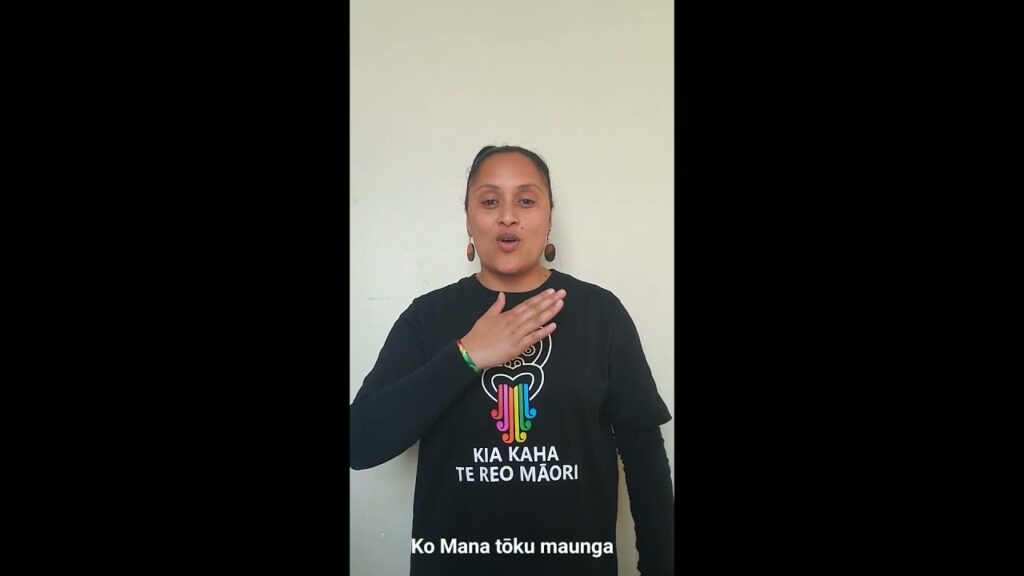
The sign “mana” in NZSL represents a concept of authority, prestige, or spiritual power, deeply rooted in Māori culture and widely used in the New Zealand Deaf community. It embodies respect and the intrinsic qualities that give a person or a group their standing within society. This sign is often invoked in discussions about identity, cultural heritage, and community status.
Table of Contents
How to Sign “Mana” in NZSL
- Start with your dominant hand in a flat handshape (like the shape of a ‘B’ hand) with fingers extended and together.
- Position your hand palm facing down at about chest height.
- Move your hand slightly up and outwards, while maintaining the flat handshape, to indicate an upward or outward flow of energy.
- As you perform the movement, use a facial expression that conveys seriousness and respect, reflecting the significance of the concept.
Common Mistakes
- Some learners forget to maintain the flat handshape, which can alter the meaning.
- Not using appropriate facial expressions may make the sign seem less impactful.
- Moving the hand too quickly can lead to confusion; a smooth, controlled movement is essential.
NZSL vs ASL
In NZSL, “mana” is signed with a flat handshape and a specific upward movement, reflecting its cultural significance. In contrast, ASL may use a different sign that does not carry the same cultural weight or meaning. This highlights the unique aspects of NZSL influenced by local culture and experiences.
Related Signs
- (All Of) You – A sign indicating inclusivity or addressing a group.
- (Baby’s) Dummy – Referring to a baby pacifier, showcasing everyday items.
- (Be) Careful – A sign for caution, often used in safety contexts.
Frequently Asked Questions
How can I use “mana” in a sentence?
You can use “mana” in sentences like “He has a lot of mana,” indicating someone’s authority or respect within a community.
Are there regional variations for the sign “mana”?
While “mana” is generally consistent across New Zealand, some regional dialects may have slight variations in movement or handshape.
What are similar signs to “mana”?
Signs like “respect” and “authority” convey similar meanings and are often used in related contexts.
What tips do you have for learning this sign?
Practice in front of a mirror to ensure your handshape and movement are correct, and pay attention to your facial expressions.
Can “mana” be used in both formal and informal contexts?
Yes, “mana” can be used in both settings, but it is especially powerful in formal discussions about identity and culture.
Practice This Sign
Try signing Mana with your camera and get AI coaching on your handshape, movement, and location.
Free · No signup required