
Machine Sewing (noun) in New Zealand Sign Language (NZSL)
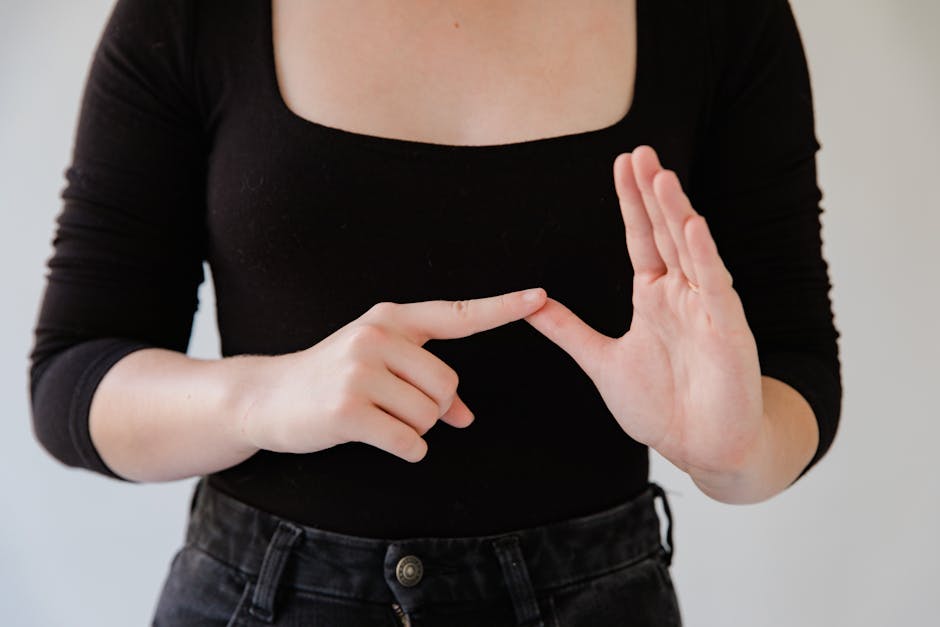
The sign for “machine sewingmachinist, sewing machine, sew (on a machine) mīhini tuitui” is used in the New Zealand Deaf community to refer to sewing machines and the act of sewing with them. This sign is commonly used in contexts related to crafting, fashion design, and textiles, and can also denote the profession of a machinist who works with sewing machines.
Table of Contents
How to Sign “Machine Sewingmachinist, Sewing Machine, Sew (On A Machine)MīHini Tuituinoun; Verb” in NZSL
- Begin with your dominant hand in a flat handshape (like a ‘B’ handshape) with fingers together.
- Position your hand in front of your body, about waist height.
- Move your hand forward and slightly downward, mimicking the action of pressing down on a sewing machine pedal.
- As you make this movement, incorporate a facial expression that indicates focus or concentration, as if you are engaged in sewing.
Common Mistakes
- Many learners forget to maintain a steady handshape, which can lead to confusion with other signs.
- Some may use an exaggerated movement, making it look more like a general action rather than specific to sewing with a machine.
- Facial expressions are often overlooked, which are important for conveying the context and meaning of the sign.
NZSL vs ASL
In NZSL, the sign for “sewing machine” focuses more on the action and the tool itself, while in ASL, the sign may vary significantly and can involve different hand shapes and movements. This highlights the unique nature of NZSL, which has been influenced by British Sign Language (BSL) but also incorporates distinct signs and elements from te reo Māori.
Related Signs
- (Baby’s) Dummy – Refers to a pacifier used for infants.
- (Be) Careful – A sign used to indicate caution or carefulness.
- (All Of) You – A sign used to refer to a group of people.
Frequently Asked Questions
Can I use this sign in a sentence?
Yes! You can use this sign in sentences like, “I sew on a machine” by incorporating the sign with relevant subject and verb signs.
Are there regional variations of this sign in NZ?
While the basic sign remains consistent, some regions may have slight variations in movement or emphasis based on local community practices.
What are some similar signs I should know?
Similar signs include those for “sew by hand” and “tailor,” which might involve different hand shapes and movements.
What tips can help me learn this sign better?
Practice in front of a mirror to check your handshape and movement. Watching native NZSL users can also provide valuable insight.
Is this sign commonly used in everyday conversations?
Yes, especially in discussions related to crafting, sewing, and tailoring, it is a useful sign to know.
How can I improve my facial expressions while signing?
Facial expressions are key in NZSL. Practice by watching videos of fluent signers and mimicking their expressions while signing.
Practice This Sign
Try signing Machine Sewingmachinist, Sewing Machine, Sew (On A Machine)MīHini Tuituinoun; Verb with your camera and get AI coaching on your handshape, movement, and location.
Free · No signup required