
Machine Sewing in New Zealand Sign Language (NZSL)

The sign for “machine sewing” in NZSL represents the action of using a sewing machine and is commonly used in discussions about clothing, crafts, and textile arts within the Deaf community. It reflects the cultural practice of sewing and is often seen in contexts such as workshops, fashion events, or casual conversations about hobbies.
Table of Contents
How to Sign “Machine Sewing” in NZSL
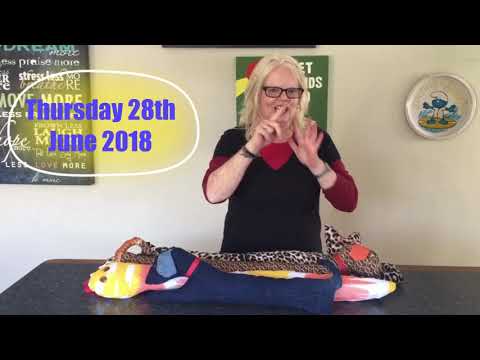
- Start with your dominant hand in a flat handshape, fingers extended and together.
- Position your hand horizontally in front of your body, around waist level.
- With your non-dominant hand, create a fist and place it underneath your dominant hand, mimicking the base of a sewing machine.
- Move your dominant hand back and forth gently, as if guiding fabric under the machine’s needle.
- Maintain a focused facial expression to convey concentration and engagement with the task of sewing.
Common Mistakes
- Using the wrong handshape: Some learners may confuse the flat handshape with a fist.
- Incorrect hand positioning: Ensure your dominant hand stays above the non-dominant hand to accurately represent the sewing action.
- Not incorporating facial expressions: Remember that facial expressions are a key part of NZSL, adding context and emotion to your signs.
NZSL vs ASL
In NZSL, the sign for “machine sewing” emphasizes the movement and position of the hands to illustrate the action of sewing. In ASL, the sign may differ in handshape and movement, often focusing more on the action itself rather than the representation of the sewing machine. This highlights the unique influences and characteristics of NZSL as a distinct language.
Related Signs
- Cloth – The material used in sewing.
- Sewing – The general act of stitching fabric together.
- Needle – The tool commonly used in sewing.
- Thread – The material that is sewn through fabric.
Frequently Asked Questions
How can I use “machine sewing” in a sentence?
You can say, “I love machine sewing” by combining the sign for “I,” followed by “love,” and then the sign for “machine sewing.”
Are there regional variations for this sign across New Zealand?
While the sign for “machine sewing” is generally consistent, some regional variations may exist in hand movements or speed. Observing local signers can help you adapt.
What are some signs similar to “machine sewing”?
Related signs include “sewing,” “needle,” and “thread,” which all connect to the sewing process.
Any tips for learning this sign?
Practice in front of a mirror to ensure your hand shapes and movements are accurate, and don’t forget to include facial expressions!
Can I use this sign in a group setting?
Absolutely! This sign is useful in group discussions about crafting or fashion, making it applicable in various social contexts.
Is “machine sewing” a commonly used sign?
Yes, this sign is frequently used in the Deaf community, especially among those interested in fashion and textile arts.
Practice This Sign
Try signing Machine Sewing with your camera and get AI coaching on your handshape, movement, and location.
Free · No signup required