
Lettuce (Māori: rētihi) in New Zealand Sign Language (NZSL)
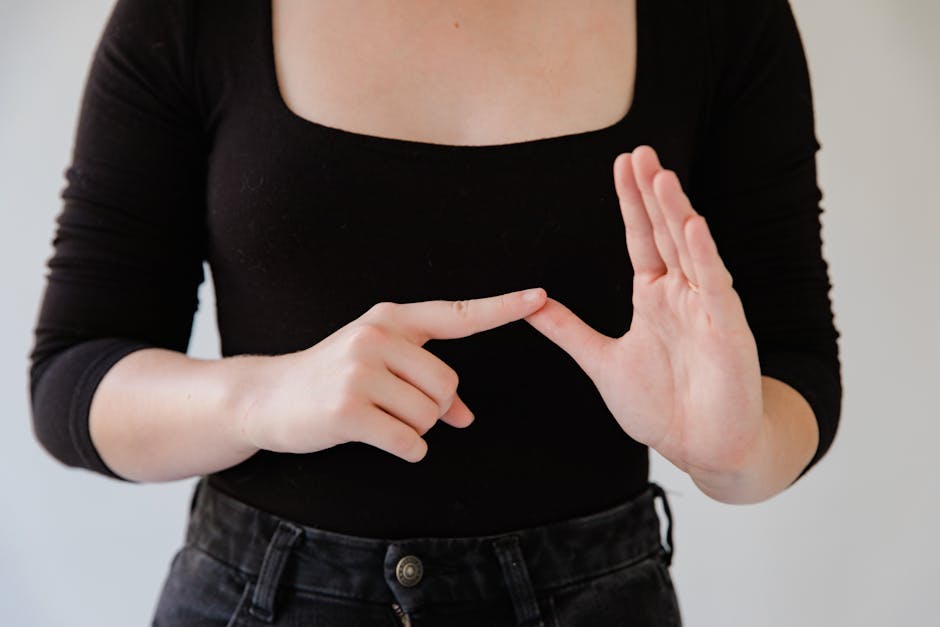
The sign for “lettucerēTihinoun” in NZSL represents the concept of lettuce, a common vegetable often used in salads and sandwiches. This sign is frequently used in discussions about food, cooking, and gardening within the NZ Deaf community.
Table of Contents
How to Sign “LettucerēTihinoun” in NZSL
- Start with your dominant hand in a flat ‘B’ handshape (palm down).
- Place your flat hand at the side of your mouth, close to your cheek.
- Move your hand away from your face while slightly bending your fingers, mimicking the movement of tearing lettuce.
- Maintain a neutral facial expression or a slight smile to convey friendliness.
Common Mistakes
- Forgetting to use a flat handshape; learners often curl their fingers instead of keeping them flat.
- Not moving the hand away from the face far enough, which can make the sign unclear.
- Using an incorrect facial expression, leading to confusion about the intended message.
NZSL vs ASL
In NZSL, the sign for lettuce emphasizes the action of tearing, reflecting its usage in food contexts. In contrast, ASL uses a different handshape and movement, highlighting how signs can vary significantly even for the same concept across different sign languages.
Related Signs
- (All Of) You
- (Baby’S) Dummy
- (Be) Careful
Using “Lettucerētihinoun” in Everyday Conversations
The sign “Lettucerētihinoun” can be integrated into various everyday conversations, especially when discussing food, cooking, or meal preparation. Here are a couple of example sentences illustrating its use:
- “I like to add lettucerētihinoun to my salads.” – This sentence might come up naturally during a discussion about healthy eating or meal planning.
- “Do you have lettucerētihinoun for the sandwiches?” – You might use this while preparing lunch with friends or family.
Using this sign in context helps solidify its meaning and relevance in daily interactions, making conversations about food more engaging and inclusive.
Cultural Notes
The sign “Lettucerētihinoun” holds significance within the New Zealand Deaf community, which embraces NZSL as an official language since 2006. This recognition not only affirms the linguistic rights of Deaf individuals but also highlights the importance of cultural identity. The Deaf community often shares a strong connection to New Zealand’s diverse cultures, including te reo Māori, which may influence local signs or expressions. In some regions, variations of this sign may exist, reflecting local dialects and the community’s rich tapestry of experiences. Understanding these cultural nuances can enhance one’s appreciation for NZSL as a living, evolving language.
Tips for Learning This Sign
Practicing “Lettucerētihinoun” effectively involves a few engaging techniques:
- Mirror Practice: Stand in front of a mirror and practice the sign. This will help you ensure that your hand shapes and movements are accurate.
- Facial Expressions: Pay attention to your facial expressions while signing. Emotions add depth to your communication and enhance understanding.
- Short Signed Sentences: Use “Lettucerētihinoun” in simple sentences during your daily activities. For example, when grocery shopping, sign phrases like “buy lettucerētihinoun” to reinforce your memory.
Incorporating these strategies into your learning routine will not only help you remember the sign but also make your learning experience more enjoyable and effective.
Frequently Asked Questions
How can I use “lettucerēTihinoun” in a sentence?
You can use this sign in sentences like “I am making a salad with lettuce” by incorporating it with other food signs.
Are there regional variations of this sign across New Zealand?
While the sign is generally consistent, some regions may have slight variations in hand movement or facial expressions.
What are some signs similar to “lettucerēTihinoun”?
Signs like (All Of) Youyou Allkoutou (Katoa) and (Baby’S) Dummypacifiertāminoun may have similar hand movements.
Can you recommend any tips for learning this sign?
Practice in front of a mirror to ensure your handshape and movement are correct, and watch videos of native signers for guidance.
What should I focus on when practicing this sign?
Pay attention to the flat handshape and the smooth movement away from your face, as these are crucial for clarity.
Is “lettucerēTihinoun” used in any cultural contexts?
This sign can also appear in discussions about Māori cuisine and gardening, reflecting the cultural importance of food in New Zealand.
Practice This Sign
Try signing LettucerēTihinoun with your camera and get AI coaching on your handshape, movement, and location.
Free · No signup required