
Afraid in New Zealand Sign Language (NZSL)

The sign for “afraid” in NZSL expresses feelings of fear or anxiety. It’s commonly used in various contexts, such as when discussing scary situations or expressing personal emotions. Understanding this sign is essential for effective communication within the Deaf community in New Zealand.
Table of Contents
How to Sign “Afraid” in NZSL
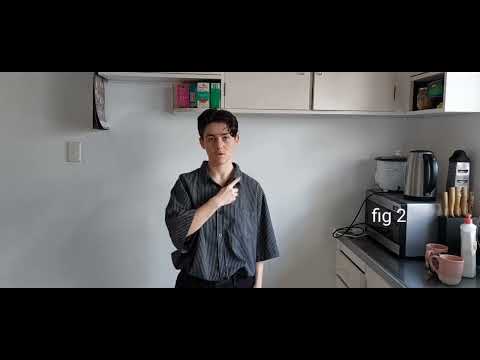
- Start with both hands open, palms facing down.
- Position your hands near your chest, about shoulder-width apart.
- As you move your hands outward away from your body, curl your fingers inward, bringing your hands closer together as if expressing a tightening feeling.
- Facial expression is crucial: show concern or fear by widening your eyes slightly and frowning.
Common Mistakes
- Forgetting to use facial expressions, which are key to conveying the emotion of fear.
- Using a flat handshape instead of the correct open hand position.
- Incorrect movement; ensure the hands move outward and curl inward to reflect the feeling of being afraid.
NZSL vs ASL
In NZSL, the sign for “afraid” involves a specific hand movement and facial expression that differs from ASL. While ASL uses a different handshape and movement pattern, the emotional context remains similar in both sign languages.
Related Signs
- (Be) Careful – To express caution or alertness.
- (Baby’s) Dummy – A sign related to comfort and care.
- (Be) Passive – To indicate a lack of action or response.
Frequently Asked Questions
How can I use “afraid” in a sentence?
You can sign “I’m afraid of spiders” by combining the “afraid” sign with the sign for “spider,” clearly expressing your fear.
Are there regional variations for “afraid” in NZSL?
While the sign is generally consistent across New Zealand, some regions may have slight variations in hand movement or facial expressions.
What are similar signs to “afraid”?
Signs like “scared” or “worried” express related emotions and can often be used in similar contexts.
What tips do you have for learning this sign?
Practice in front of a mirror to refine your handshape and facial expressions, and try to incorporate the sign into everyday conversation for better retention.
Can I use “afraid” for different contexts?
Yes, “afraid” can be used for various fears, whether they are situational or emotional. Adjust your facial expression accordingly to match the context.
What role do facial expressions play in NZSL?
Facial expressions are essential in NZSL, providing context and emotion to the signs you use, including “afraid.”
Practice This Sign
Try signing Afraid with your camera and get AI coaching on your handshape, movement, and location.
Free · No signup required