
Advantage (Māori: huanga, painga) in New Zealand Sign Language (NZSL)
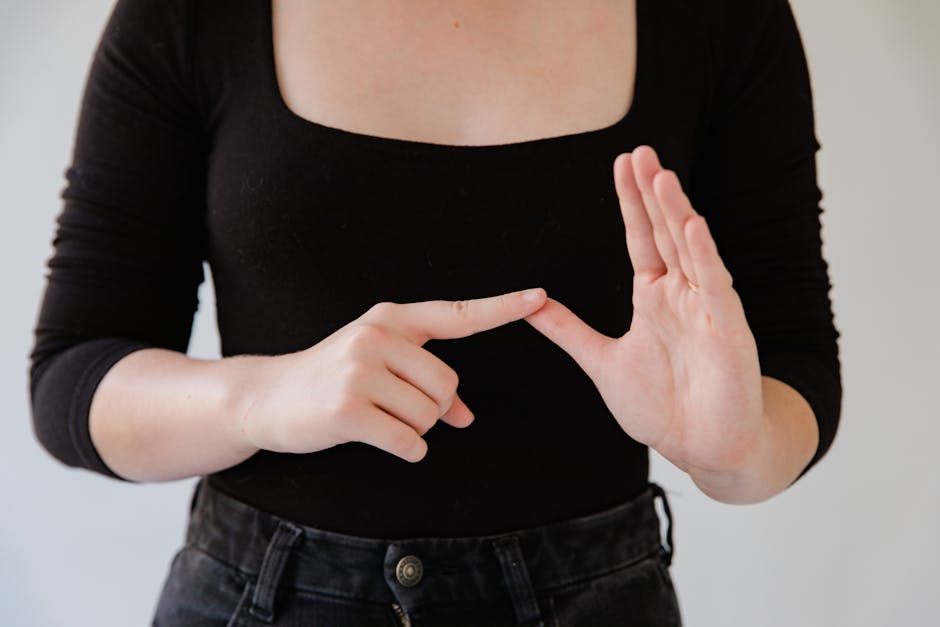
The sign “advantagehuanga, painganoun” is used in NZSL to express the idea of having an advantage or benefit in a situation. It’s important in conversations about opportunities, strategies, or discussing the positive aspects of choices made. This sign is commonly used within the Deaf community when discussing personal or professional gains.
Table of Contents
How to Sign “Advantagehuanga, Painganoun” in NZSL
- Start with your dominant hand in a flat handshape (like a “B” handshape) with the palm facing outward.
- Position your hand at the side of your head, near your temple.
- Move your hand forward slightly while simultaneously arching your fingers slightly upwards, as if you are presenting or offering something.
- Maintain an engaging facial expression to show positivity or enthusiasm about the advantage being discussed.
Common Mistakes
- Some learners may forget to use facial expressions, which are crucial in NZSL for conveying emotions and intent.
- Others might use an incorrect handshape, thinking any flat hand will work instead of specifically using the “B” handshape.
- Failing to position the hand correctly at the temple can result in a sign that doesn’t clearly communicate the intended meaning.
NZSL vs ASL
In NZSL, “advantagehuanga, painganoun” is signed with a specific handshape and movement that differs from ASL. While ASL may use a different handshape or location for similar concepts, NZSL incorporates unique cultural elements and influences from te reo Māori, reflecting its distinct identity as an official language of New Zealand.
Related Signs
- (All Of) You – A sign used to address a group of people directly.
- (All Of) Youyou Allkoutou (Katoa)Pronoun – A variation for inclusivity when addressing multiple individuals.
- (Be) Careful – This sign conveys a warning or caution, important in discussions about risks and benefits.
- (Be) Passive – Related to discussing strategies that may involve taking a backseat.
Frequently Asked Questions
How can I use “advantagehuanga, painganoun” in a sentence?
You could say, “I have an advantagehuanga in this situation,” signing it while discussing the context of that advantage.
Are there regional variations for this sign in New Zealand?
Most regions use a similar sign for “advantagehuanga,” but local variations may exist in the speed or emphasis of the movement.
What are some similar signs to “advantagehuanga”?
Signs related to opportunity and benefit may include “opportunity” and “gain,” which have their own specific signs in NZSL.
What tips can help me learn this sign better?
Practice in front of a mirror to ensure your handshape and facial expressions are correct. Watching native signers can also be very helpful.
Is this sign used in formal settings?
Yes, “advantagehuanga” can be used in both formal and informal contexts, especially when discussing benefits in meetings or presentations.
Can I use this sign in a conversation about teamwork?
Absolutely! It can be very effective when discussing the advantages that teamwork brings to a project.
Practice This Sign
Try signing Advantagehuanga, Painganoun with your camera and get AI coaching on your handshape, movement, and location.
Free · No signup required