
Injury, Suffer in New Zealand Sign Language (NZSL)
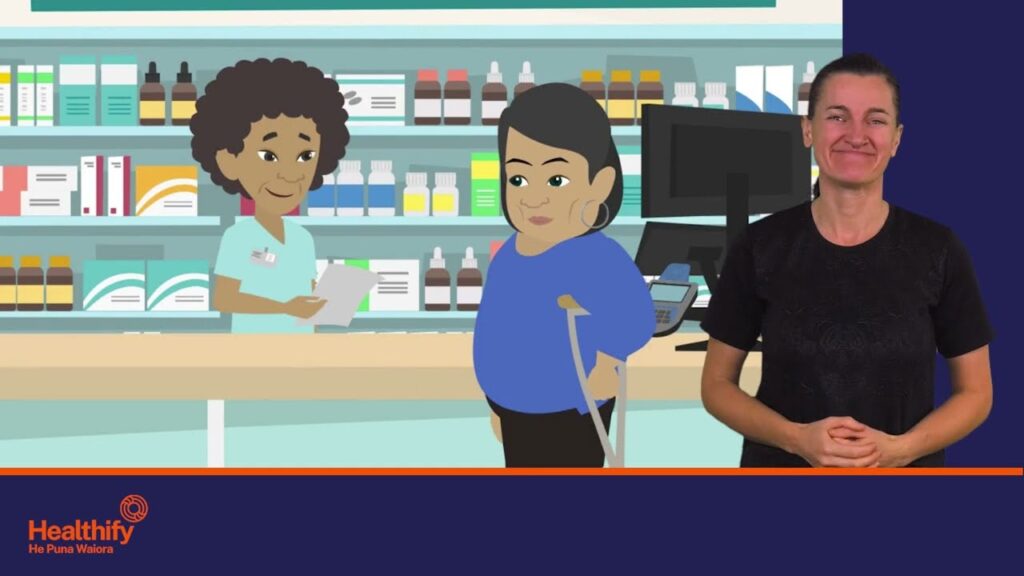
The NZSL sign for “injury, suffer” is used to describe physical harm or the experience of pain, whether it’s from an accident, illness, or emotional distress. This sign can be commonly seen in everyday conversations within the Deaf community, especially when discussing health or safety issues.
Table of Contents
How to Sign “Injury, Suffer” in NZSL

- Start with your dominant hand in a flat handshape (palm facing down).
- Position your hand near the area of your body where you feel discomfort or pain.
- Gently move your hand in a small circular motion while maintaining the flat handshape.
- As you sign, use a facial expression that conveys concern or discomfort to emphasise the meaning of the sign.
Common Mistakes
- Forgetting to use appropriate facial expressions, which are crucial in NZSL to convey emotions and context.
- Using too aggressive of a movement, which can imply a different context than intended.
- Not positioning the sign close enough to the body, which can lead to misunderstandings of what part of the body is affected.
NZSL vs ASL
In NZSL, the sign for “injury, suffer” typically involves a flat handshape and a specific location on the body, emphasizing the personal experience of pain. In contrast, ASL may use a different handshape or motion to convey similar meanings, reflecting the unique structure and cultural context of each sign language.
Related Signs
- (Be) Careful – Used to advise caution.
- (Be) Born, (Give) Birth – Related to health and well-being.
- (All Of) You – A pronoun that can be used in various contexts.
- (Baby’S) Dummy – A sign related to child care and safety.
- (Be) Passive – Reflects a state of being that could relate to suffering.
Frequently Asked Questions
How can I use “injury, suffer” in a sentence?
You can use it to express personal experiences, such as “I suffer from headaches” by signing the relevant signs together.
Are there regional variations in the sign?
While the sign remains consistent across New Zealand, some regions may have slight variations in movement or emphasis, influenced by local Deaf culture.
What are some similar signs?
Signs like “pain” or “hurt” may convey similar meanings and can be used interchangeably depending on the context.
Any tips for learning this sign?
Practice in front of a mirror to ensure your facial expressions match the sign’s meaning, and seek feedback from fluent NZSL users.
Can I use this sign for emotional suffering?
Yes, the sign can apply to both physical and emotional pain, depending on the context and accompanying facial expressions.
Is there a specific cultural context for this sign?
The sign relates closely to health discussions within the Deaf community, reflecting the importance of well-being and safety.
Practice This Sign
Try signing Injury, Suffer with your camera and get AI coaching on your handshape, movement, and location.
Free · No signup required