
Hit, Slap, Smack, Spank in New Zealand Sign Language (NZSL)
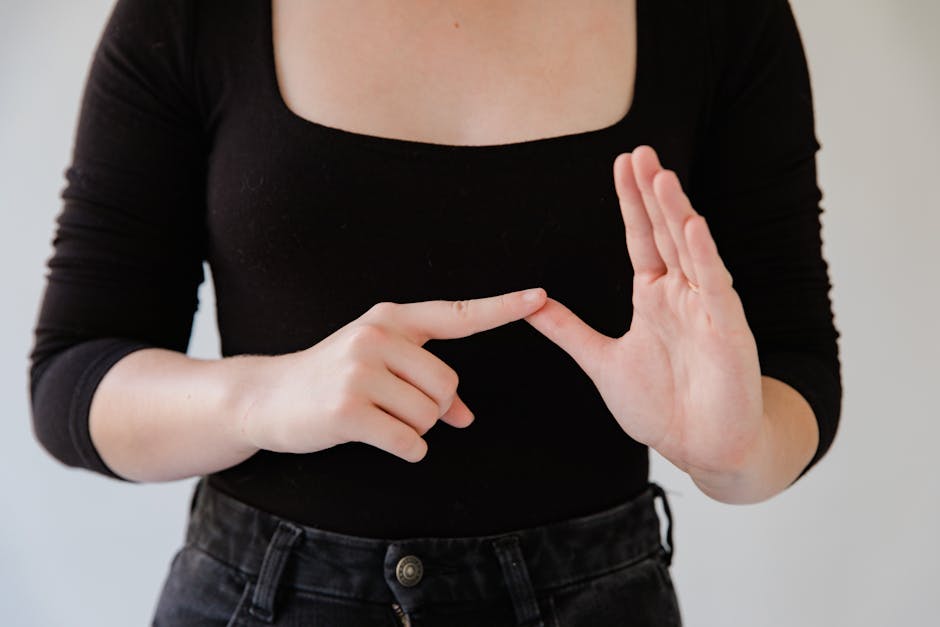
The sign “hitslap, smack, spankpatu, papakiverb” is commonly used in the NZ Deaf community to describe physical actions involving striking or hitting. This sign can be used in playful contexts, such as when joking about a light tap, or in more serious discussions about discipline or boundaries. Understanding this sign’s nuances is important for effective communication within the community.
Table of Contents
How to Sign “Hitslap, Smack, Spankpatu, Papakiverb” in NZSL
- Begin with your dominant hand open, palm facing down.
- Position your hand at shoulder height, with your elbow bent.
- In a swift motion, bring your hand down towards your opposite hand or the space in front of you, as if mimicking a slap.
- Ensure your facial expression matches the action; a playful or exaggerated expression can convey the context of the sign.
Common Mistakes
- Forgetting to use facial expressions, which are crucial in NZSL to convey meaning.
- Performing the sign too slowly, which can change the intended meaning of the action.
- Using the wrong handshape; remember to keep your hand open and relaxed.
NZSL vs ASL
In NZSL, the sign for “hitslap, smack, spankpatu, papakiverb” features a distinct handshape and movement that may differ from American Sign Language (ASL). While ASL has its own version of the sign, the handshape, speed, and context can vary significantly, reflecting the unique cultural influences and signing styles within the NZ Deaf community.
Related Signs
- (Baby’s) Dummy – Sign for a pacifier commonly used for infants.
- (Be) Careful – A sign used to warn someone to take care.
- (Be) Passive – Sign indicating a lack of action or a passive state.
Frequently Asked Questions
How can I use this sign in a sentence?
You might say, “The parent will hit, slap, or spank as a form of discipline,” incorporating the sign to clarify the action.
Are there regional variations for this sign in New Zealand?
While the core sign remains consistent, some regions might have slight variations in speed or facial expressions that reflect local signing styles.
Is there a sign that means “light tap” instead?
Yes, there is a different sign used to indicate a gentle or playful tap; it’s important to distinguish between the two based on context.
What tips do you have for learning this sign?
Practice in front of a mirror and watch fluent signers to improve your handshape and facial expressions for authenticity.
Are there similar signs in NZSL?
Yes, there are signs for other actions that involve physical contact, such as “push” or “hit,” which can be useful to know.
Can this sign be used in a humorous way?
Absolutely! The sign can be used playfully among friends, especially when mimicking a light-hearted slap.
Practice This Sign
Try signing Hitslap, Smack, Spankpatu, Papakiverb with your camera and get AI coaching on your handshape, movement, and location.
Free · No signup required