
Lyttelton (Māori: ōhinehou) in New Zealand Sign Language (NZSL)
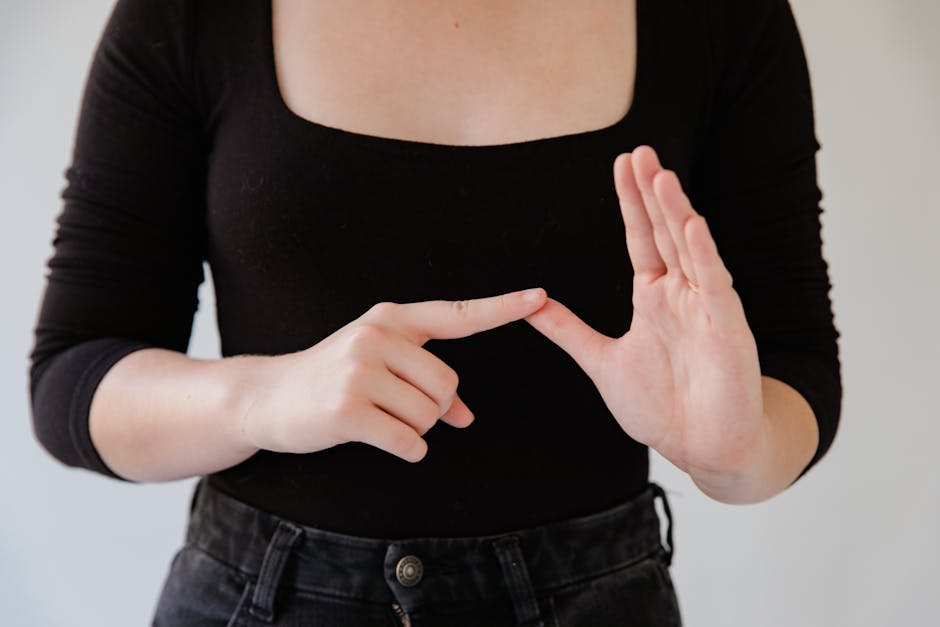
The sign “LytteltonōHinehounoun” refers to a specific place or concept within the New Zealand context, often used in discussions about local geography or community events in Lyttelton. This sign is a great example of how NZSL incorporates unique elements that reflect the culture and landscape of New Zealand.
Table of Contents
How to Sign “LytteltonōHinehounoun” in NZSL
- Start with your dominant hand in a flat ‘B’ handshape, palm facing down.
- Position your hand near your forehead, with your fingertips lightly touching your temple.
- Move your hand forward and slightly downwards while twisting your wrist so that your palm faces outward.
- As you move your hand, maintain a neutral facial expression, but you may want to raise your eyebrows slightly to indicate the importance of the place.
Common Mistakes
- Using a fist instead of a flat handshape can change the meaning of the sign.
- Omitting the wrist twist during the movement may result in an unclear sign.
- Not maintaining the appropriate facial expression can lead to misunderstandings about the sign’s significance.
NZSL vs ASL
In NZSL, “LytteltonōHinehounoun” has a unique handshape and movement specific to the local context, while ASL does not have a direct equivalent for this specific term. The signs used in ASL may differ significantly, reflecting the cultural and geographical differences between the two sign languages.
Related Signs
- (All Of) You – A common pronoun sign in NZSL.
- (Baby’S) Dummy – Referring to a baby’s pacifier.
- (Be) Careful – A sign for caution or looking out for something.
- (Be) Born, (Give) Birth – Referring to the act of birth.
- (Be) Passive – A sign indicating passivity.
Frequently Asked Questions
How can I use “LytteltonōHinehounoun” in a sentence?
You can use it in a sentence like: “I am going to LytteltonōHinehounoun this weekend,” where the sign follows the subject and verb.
Are there any regional variations for this sign?
While “LytteltonōHinehounoun” is fairly consistent across New Zealand, some regions might have slight variations in hand movement or facial expressions.
What are some similar signs in NZSL?
Related signs include “Lyttelton” and “Hinehounoun,” which can be used in different contexts to refer to the same area or concepts.
What tips do you have for learning this sign?
Practice in front of a mirror to ensure your handshape and movement are accurate. Watching native signers can also help reinforce the sign’s usage.
Is this sign used in formal settings?
Yes, this sign can be used in both casual and formal settings, especially when discussing local events or geography.
How can I improve my NZSL skills overall?
Engage with the Deaf community, attend workshops, and practice regularly with peers to enhance your NZSL skills.
Can I use this sign in storytelling?
Absolutely! Incorporating local signs like “LytteltonōHinehounoun” can enrich your storytelling and connect with your audience.
Practice This Sign
Try signing LytteltonōHinehounoun with your camera and get AI coaching on your handshape, movement, and location.
Free · No signup required