
Gorilla (Māori: apemakinu) in New Zealand Sign Language (NZSL)
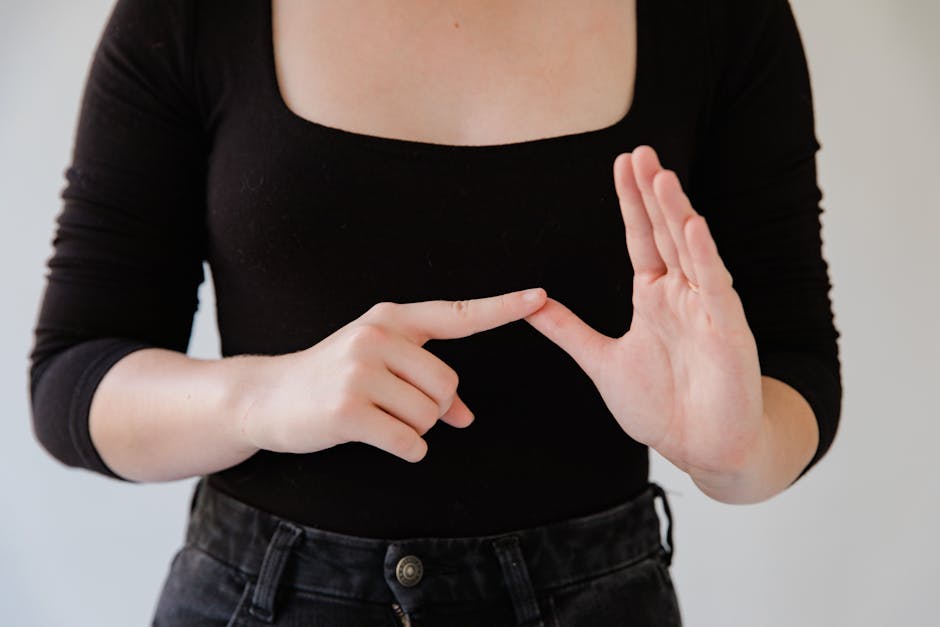
The sign “gorillaapemakinuinoun” refers to a gorilla in NZSL and is used in various contexts, such as discussing wildlife, zoos, or nature documentaries. This sign is a fun way to express interest in animals, particularly in educational or conversational settings within the Deaf community.
Table of Contents
How to Sign “Gorillaapemakinuinoun” in NZSL
- Start with your dominant hand in a flat ‘B‘ shape, palm facing down.
- Position your hand at your forehead, mimicking the shape of a gorilla’s head.
- Make a gentle forward movement, as if you are showing the gorilla’s facial features.
- Maintain a facial expression that conveys interest or excitement, reflecting the playful nature of the sign.
Common Mistakes
One common error is using a closed fist instead of the flat ‘B‘ shape, which can change the meaning. Another mistake is not using enough facial expression, which can make the sign less engaging. Lastly, some learners may forget to position their hand at the forehead, resulting in a less accurate representation of the gorilla.
NZSL vs ASL
In NZSL, the sign for “gorillaapemakinuinoun” focuses on the shape and position of the hand to represent the gorilla’s head, while in ASL, the sign may differ in hand shape and movement. This highlights the unique characteristics of NZSL, influenced by both British Sign Language and local cultural elements.
Related Signs
- (All Of) You
- (All Of) Youyou Allkoutou (Katoa)Pronoun
- (Baby’S) Dummy
- (Be) Careful
- (Be) Passive
Frequently Asked Questions
How can I use “gorillaapemakinuinoun” in a sentence?
You can say, “I saw a gorilla at the zoo,” by signing the sentence structure in NZSL while incorporating the sign for “gorillaapemakinuinoun.”
Are there regional variations for this sign in New Zealand?
There may be slight variations in how this sign is produced, especially in different regions, but the core concept remains the same across the country.
What are some similar animal signs in NZSL?
Similar signs include “lion,” “tiger,” and “cat.” These signs often share elements in hand shape and movement, making them easier to learn.
What tips do you have for learning this sign?
Practice in front of a mirror to ensure your facial expressions match the sign’s meaning and seek feedback from fluent signers.
Can I use this sign to refer to gorillas in different contexts?
Yes, you can use “gorillaapemakinuinoun” in various contexts, such as discussing gorillas in documentaries or mentioning them in conversation about wildlife.
Is this sign used in both formal and informal settings?
Yes, “gorillaapemakinuinoun” is versatile and can be used in both educational contexts and casual conversations within the Deaf community.
Practice This Sign
Try signing Gorillaapemakinuinoun with your camera and get AI coaching on your handshape, movement, and location.
Free · No signup required