
Gift, Prize, Wrap (noun) in New Zealand Sign Language (NZSL)
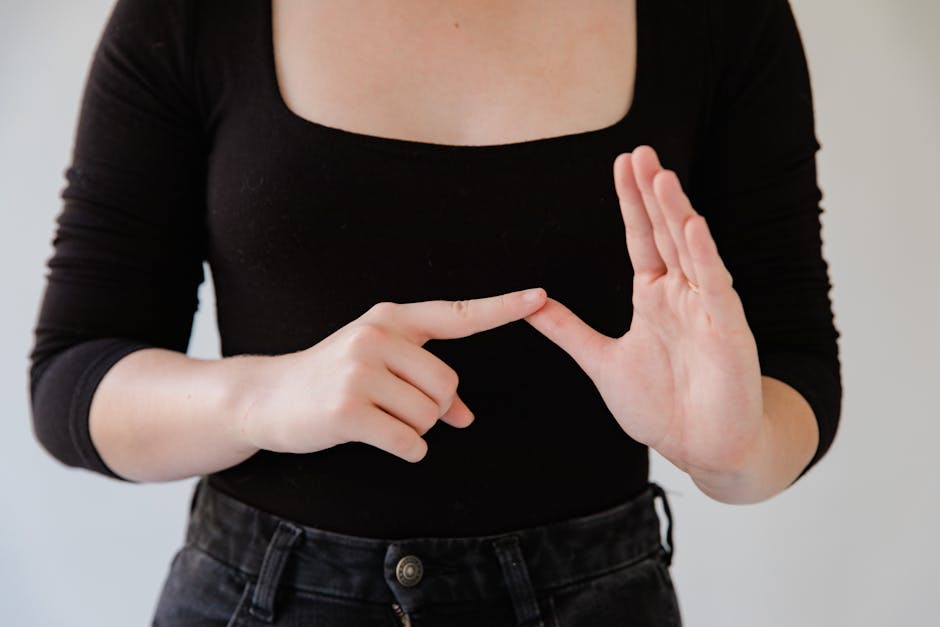
“Gift, prize, wrapfold, parcel, present (koha, perehana)” represents an important expression within the Deaf community, frequently utilized during celebrations, holidays, or special occasions to convey the act of giving or receiving something meaningful. This expression captures the essence of generosity and thoughtfulness, qualities that are greatly esteemed in New Zealand culture.
Table of Contents
How to Sign “Gift, Prize, Wrapfold, Parcel, Presentkoha, Perehananoun; Verb” in NZSL
- Start with both hands in front of your body, palms facing down.
- Form both hands into flat “B” hand shapes, with fingers together and extended.
- Bring your hands together in a slight upward movement, as if you are presenting something.
- As your hands come together, nod your head slightly forward and smile to convey the act of giving.
Common Mistakes
- Forgetting to use facial expressions, which are crucial for conveying the meaning and emotion behind the sign.
- Using fists instead of flat “B” hand shapes, which can change the meaning of the sign.
- Not bringing your hands together smoothly, which may make the sign look unclear.
NZSL vs ASL
In NZSL, the sign for “gift” involves a smooth upward movement with flat hands, emphasizing the act of presenting. In contrast, ASL typically uses a different handshape and movement, which may involve a more specific gesture to indicate the act of giving. This shows the unique characteristics of NZSL, influenced by its own cultural context and the local Deaf community.
Related Signs
- (Be) Careful – A sign to indicate caution.
- (All Of) You – A sign for addressing a group.
- (Baby’S) Dummy – A sign related to baby care.
- (Be) Born, (Give) Birth – A sign for childbirth.
Frequently Asked Questions
Can I use this sign in a sentence?
Yes! For example, you can say, “I have a gift for you,” by incorporating the sign into your sentence structure.
Are there regional variations for this sign in NZ?
While the sign is fairly consistent across New Zealand, some regions may have slight variations in movement or facial expressions influenced by local Deaf culture.
What are some similar signs?
Signs like “present” and “koha” are closely related and often used interchangeably, depending on the context.
Any tips for learning this sign?
Practice in front of a mirror to see your hand shapes and facial expressions clearly, and consider learning with a partner for feedback.
Is this sign used in both formal and informal settings?
Yes, you can use this sign in various contexts, from casual gatherings to formal events, to express the act of giving.
How do I express different types of gifts?
You can modify the sign by adding descriptors or using facial expressions to indicate the type or significance of the gift.
Practice This Sign
Try signing Gift, Prize, Wrapfold, Parcel, Presentkoha, Perehananoun; Verb with your camera and get AI coaching on your handshape, movement, and location.
Free · No signup required