
Forceps in New Zealand Sign Language (NZSL)

The sign for “forceps” in New Zealand Sign Language (NZSL) is commonly used in medical contexts, especially during discussions about childbirth or surgical procedures. It reflects the importance of precision and care in these settings. Understanding this sign can be particularly helpful for those studying healthcare or working with Deaf individuals in medical environments.
Table of Contents
How to Sign “Forceps” in NZSL
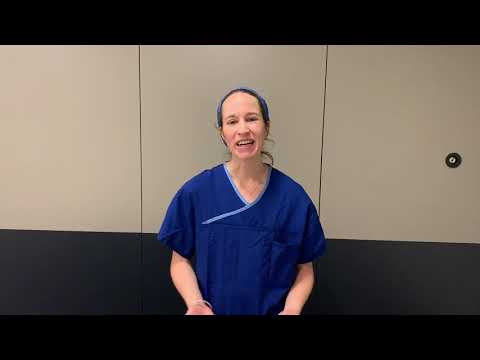
- Start with your dominant hand in a flat handshape (palm facing down).
- Bring your dominant hand forward slightly, mimicking the action of forceps closing.
- As you do this, use your non-dominant hand to provide a supportive base, placing it palm-up beneath your dominant hand.
- Maintain a focused expression to convey the seriousness of the tool’s function.
Common Mistakes
- Forgetting to use both hands; the non-dominant hand is crucial for clarity.
- Using a loose handshape instead of a firm flat hand, which can confuse the sign.
- Neglecting facial expressions, which are important in NZSL to convey meaning.
NZSL vs ASL
In American Sign Language (ASL), the sign for “forceps” differs significantly from NZSL. ASL typically uses a more abstract representation of the tool, whereas NZSL employs a more concrete depiction that focuses on the hand movements that mimic the function of forceps. This highlights the unique characteristics of NZSL influenced by its own cultural context.
Related Signs
- (Be) Born, (Give) Birth – A sign used in medical contexts relating to childbirth.
- (Baby’s) Dummy – Refers to a pacifier often used for infants.
- (Be) Careful – A sign that expresses caution, relevant in medical settings.
- (Be) Passive – Useful in discussions about medical procedures.
Frequently Asked Questions
How can I use “forceps” in a sentence in NZSL?
You can sign “forceps” while mentioning its use in a sentence like “The doctor uses forceps to assist in the delivery.”
Are there regional variations for this sign in New Zealand?
Generally, the sign remains consistent across New Zealand, but some variations may exist based on local Deaf community preferences.
Are there similar signs to “forceps”?
Yes, related signs like “(Be) Born, (Give) Birth” and “(Baby’s) Dummy” are often used in similar contexts.
What tips do you have for learning this sign?
Practice with a mirror to ensure your handshape and movements are correct and watch videos of native signers to gain confidence.
Can I use this sign in a medical setting with hearing people?
Yes, using NZSL signs like “forceps” can enhance communication in mixed settings where Deaf and hearing individuals interact.
Is there a cultural significance to the sign?
Yes, like all NZSL signs, “forceps” carries meaning that reflects the experiences and contexts of the Deaf community in New Zealand.
Practice This Sign
Try signing Forceps with your camera and get AI coaching on your handshape, movement, and location.
Free · No signup required