
Half Brother in Australian Sign Language (Auslan)

The sign for “half brother” in Auslan refers to a male sibling who shares one parent with you. This sign is commonly used in conversations about family relationships and can help clarify your family structure when discussing siblings.
Table of Contents
How to Sign “Half Brother”
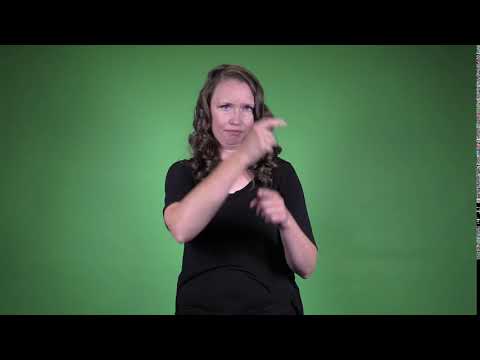
- Begin with your dominant hand in the “B” handshape (fingers extended and close together, thumb tucked in).
- Position your hand in front of your forehead, with the palm facing away from you.
- Move your hand outward slightly, away from your forehead, while keeping the “B” handshape.
- As you move your hand, nod your head slightly to signify that you are talking about a brother.
Common Mistakes
- Using the wrong handshape: Make sure to use the “B” handshape, as using a different shape can change the meaning.
- Inconsistent movement: The movement should be smooth and outward; jerky or awkward movements can confuse the sign.
- Facial expressions: Remember to nod slightly to indicate the familial relationship; a neutral expression may lead to misunderstandings.
Related Signs
- Sibling – A general term for brothers and sisters.
- Brother – Specifically refers to a male sibling.
- Step Brother – Refers to a male sibling from a blended family.
- Father – The sign for your male parent, which can be useful in family discussions.
- Family – A broader term that encompasses all familial relationships.
Using “Half Brother” in Everyday Conversations
In everyday conversations, the sign for “Half Brother” often comes up in family discussions or when sharing personal stories. Here are a few example sentences demonstrating how to use this sign naturally:
- My half brother lives in Melbourne. (MY HALF BROTHER MELBOURNE LIVE)
- Do you know my half brother, Jake? (YOU KNOW MY HALF BROTHER JAKE?)
- I have a half brother and a half sister. (I HAVE HALF BROTHER AND HALF SISTER)
These examples can arise during casual chats about family gatherings, introductions in social settings, or while discussing family dynamics during storytelling.
Cultural Notes
In the Australian Deaf community, family relationships are often a central topic of conversation, particularly as they relate to identity and personal history. The term “half brother” carries nuances in familial connections that some might find interesting to share or discuss. While Auslan is primarily uniform across Australia, there can be slight regional variations in the signs used within northern and southern dialects. It’s worth engaging with local Deaf communities to understand these subtleties better, as they enrich the language experience and foster deeper connections.
Tips for Learning This Sign
Practicing the sign for “Half Brother” can be made easier and more effective with a few helpful techniques:
- Mirror Practice: Use a mirror to watch your signing. This will help you refine your movements and ensure they are clear and accurate.
- Focus on Non-Manual Features: Pay attention to facial expressions and body language that accompany the sign. These non-manual features add meaning and context to your signing.
- Incorporate into Short Sentences: Practice using “Half Brother” in simple sentences. This will help reinforce your memory and confidence in using the sign in conversation.
By incorporating these strategies into your learning routine, you can enhance your Auslan skills and feel more comfortable using familial terms in discussion.
Frequently Asked Questions
How can I use “half brother” in a sentence?
You might say, “My half brother lives in another state,” using the sign while you talk about your family.
Are there regional variations in this sign?
While the sign for “half brother” is widely understood, slight variations may exist depending on local Deaf culture.
Is there a similar sign for “half sister“?
Yes, the sign for “half sister” is similar, but you will use a different sign for “sister,” typically involving the “S” handshape.
How does this sign compare to BSL?
The sign for “half brother” in Auslan may differ from British Sign Language (BSL), so it’s essential to learn the specific signs for each language.
What are some teaching tips for this sign?
Practice in front of a mirror to ensure your handshape and movement are correct, and try using it in conversations to reinforce your learning.
Practice This Sign
Try signing Half Brother In Auslan with your camera and get AI coaching on your handshape, movement, and location.
Free · No signup required