
Family (Māori: whānau) in New Zealand Sign Language (NZSL)
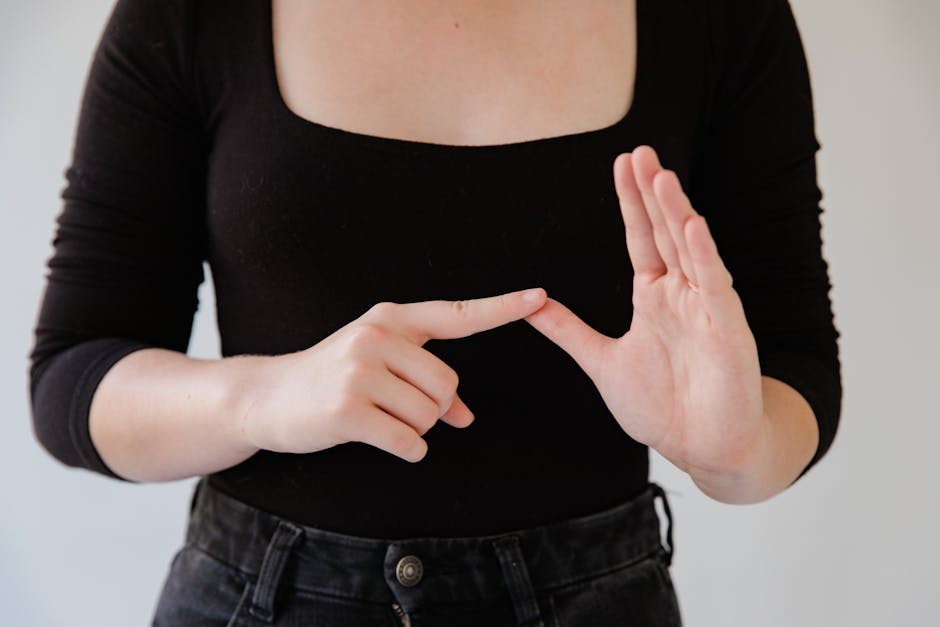
The sign “familywhānau” in NZSL represents the concept of family, encompassing both immediate and extended family members. This sign is commonly used in various contexts within the NZ Deaf community, including discussions about personal relationships, cultural connections, and gatherings. It reflects the importance of whānau in Māori culture, emphasizing the collective family unit.
Table of Contents
How to Sign “Familywhānau” in NZSL
- Start with both hands in a ‘flat’ handshape (like a horizontal ‘B‘).
- Position your hands in front of your chest, palms facing each other.
- Move your hands outward and slightly apart while maintaining the flat handshape.
- As you move your hands, slightly raise your eyebrows to indicate the importance of the sign.
Common Mistakes
- Forgetting to maintain the correct handshape (flat hand), which can lead to confusion with other signs.
- Not using facial expressions effectively, which can diminish the meaning of the sign.
- Inadequate movement of the hands; the outward motion is essential for clarity.
NZSL vs ASL
In NZSL, “familywhānau” is signed with a specific handshape and movement that may differ from ASL. In ASL, the sign for family uses a different handshape and a more compact movement. This highlights the unique characteristics of NZSL influenced by its cultural context and local usage.
Related Signs
- (All Of) You
- (Baby’s) Dummy
- (Be) Born, (Give) Birth
- (Be) Careful
Frequently Asked Questions
How can I use “familywhānau” in a sentence?
You can say, “My familywhānau is coming over for dinner,” using the sign to emphasize the gathering of family.
Are there regional variations of this sign in New Zealand?
While the sign is generally consistent across NZ, some regions may have slight variations in hand movement or facial expressions based on local influences.
What are some signs similar to “familywhānau”?
Related signs include “whānau” (extended family) and “hapū” (sub-tribe), which are culturally significant in Māori contexts.
Can I use this sign with hearing people?
Yes, using “familywhānau” can help bridge communication with hearing individuals when discussing family topics.
What tips do you have for learning this sign?
Practice in front of a mirror and observe native signers to refine your technique, especially focusing on handshape and facial expressions.
How does this sign relate to Māori culture?
The sign reflects the Māori concept of whānau, emphasizing the importance of family ties and community in Māori society.
What resources can I use to learn more NZSL?
Look into NZSL courses, community classes, and online resources to enhance your learning and practice with native signers.
Practice This Sign
Try signing FamilywhāNaunoun with your camera and get AI coaching on your handshape, movement, and location.
Free · No signup required