
Family Name in Australian Sign Language (Auslan)
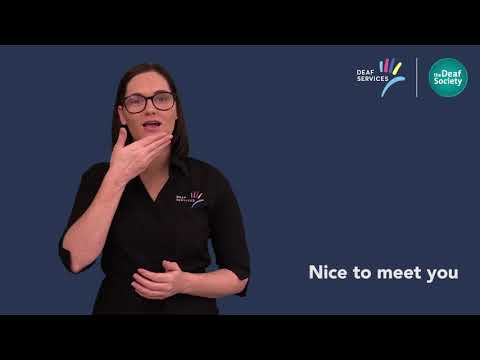
The sign for “family name” in Auslan is used to refer to a person’s surname or last name. This sign is commonly used in introductions or when discussing family heritage. Understanding this sign helps in establishing connections within the Deaf community.
Table of Contents
How to Sign “Family Name In Auslan”

- Start with your dominant hand in a flat “B” handshape (palm facing down).
- Position your hand just below your chin, with your fingers spread slightly apart.
- Move your hand straight downwards, maintaining the same flat “B” shape.
- As you sign, use a neutral facial expression to convey that you are stating a fact.
Common Mistakes
- Forgetting to keep the hand flat; some learners may curl their fingers.
- Moving the hand too far away from the chin, which can confuse the sign.
- Using an exaggerated facial expression, which might misinterpret the sign’s meaning.
Related Signs
- 1 – The sign for the number one.
- 1 Dollar – The sign for a single dollar.
- 10 – The sign for the number ten.
- 100 – The sign for the number one hundred.
- 11 – The sign for the number eleven.
Using “Family Name” in Everyday Conversations
In Auslan, using the sign for “Family Name” can help clarify conversations about identity and relationships. Here are a few example sentences where this sign naturally fits:
-
MY NAME FAMILY NAME SMITH. (My family name is Smith.)
This might come up during introductions at social gatherings or community events.
-
YOUR FAMILY NAME? (What is your family name?)
Asking someone for their family name can occur in casual conversations or when meeting new people.
-
HIS/HER FAMILY NAME IS JOHNSON. (His/Her family name is Johnson.)
This might be used when discussing a friend or a colleague, particularly in a group setting.
Cultural Notes
In the Australian Deaf community, the concept of family and identity carries significant cultural weight. The sign for “Family Name” is not just a way to identify oneself; it reflects the importance of heritage and connection within the Deaf community. Family names can often indicate lineage and are a source of pride. Some Deaf individuals may have unique family names that carry stories or histories specific to their experiences.
It’s also worth noting that there can be regional variations within Auslan that might affect how “Family Name” is signed or pronounced in different areas, such as northern and southern dialects. While the core sign remains the same, awareness of these variations can enrich communication and understanding.
Tips for Learning This Sign
To effectively learn and remember the sign for “Family Name,” here are some practical strategies:
- Mirror Practice: Use a mirror to practice the sign while watching your movements. This will help reinforce muscle memory.
- Focus on Non-Manual Features: Pay attention to facial expressions and body language while signing. These non-manual features enhance the meaning of your signs.
- Incorporate into Short Sentences: Use the sign in various contexts by creating simple sentences. For example, “MY FAMILY NAME IS…” or “WHAT IS YOUR FAMILY NAME?” This practice helps solidify usage in everyday conversation.
Frequently Asked Questions
How can I use “family name” in a sentence?
You can say, “My family name is Smith,” using the sign right after you mention “my family name.”
Are there regional variations for this sign?
While the sign is generally consistent, some regions may have slight variations in movement or facial expressions.
Are there similar signs?
Yes, signs for “first name” or “nickname” have different hand shapes and movements. It’s important to learn both to avoid confusion.
How does this compare to BSL?
In BSL, “family name” is signed differently, often with a focus on the concept of lineage rather than the specific sign used in Auslan.
What are some teaching tips for this sign?
Practice in front of a mirror to ensure hand shape and movement are correct, and work with a partner to refine your skills.
Practice This Sign
Try signing Family Name In Auslan with your camera and get AI coaching on your handshape, movement, and location.
Free · No signup required