
Endure in New Zealand Sign Language (NZSL)
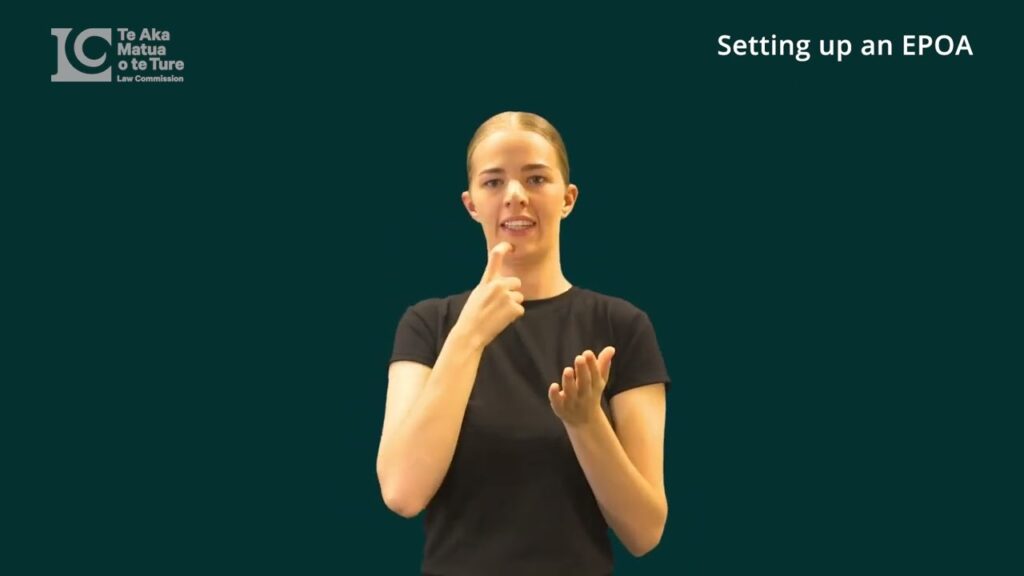
The sign for “endure” in NZSL conveys a sense of persistence and resilience, often used in contexts where someone faces challenges or difficulties but continues to push through. It reflects a spirit of determination, which resonates deeply within the New Zealand Deaf community, especially in conversations about overcoming obstacles.
Table of Contents
How to Sign “Endure” in NZSL
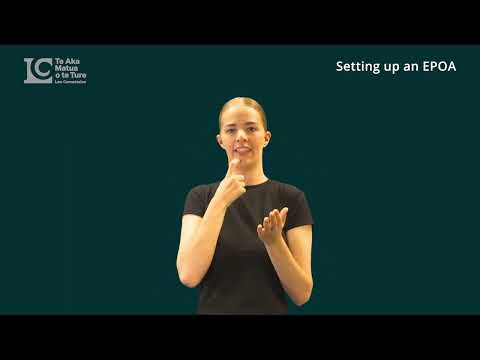
- Start with both hands in a flat “B” shape, fingers together and palms facing down.
- Position your hands at waist level, slightly apart from each other.
- Move your hands outward and upward in a gentle arc, while maintaining the same hand shape.
- As your hands rise, slightly tilt your body forward, showing effort and determination through your facial expression.
- Finish with your hands at shoulder height, still in the “B” shape, to indicate the ongoing nature of enduring.
Common Mistakes
- Some learners may forget to use the correct hand shape, using a flat hand instead of a “B” shape.
- Not incorporating facial expressions, which are crucial in NZSL to convey the emotional aspect of “endure.”
- Failing to show the upward movement, which can make the sign feel less expressive and impactful.
NZSL vs ASL
In NZSL, the sign for “endure” focuses on the upward movement and the “B” handshape, reflecting perseverance. In contrast, ASL uses a different handshape and movement that does not emphasize the same upward motion, highlighting the unique characteristics of each sign language.
Related Signs
- (Be) Careful: A sign indicating caution and mindfulness.
- (Be) Passive: Refers to a state of being non-active or receptive.
- (Baby’s) Dummy: A sign related to infant care items.
- (All Of) You: A sign that addresses a group directly.
- (Be) Born, (Give) Birth: Signifying the act of birth and new beginnings.
Frequently Asked Questions
How can I use “endure” in a sentence?
You can say, “I will endure through this challenge” by signing “I” + “endure” + “this challenge,” ensuring your facial expression conveys determination.
Are there regional variations for the sign “endure”?
While the basic sign remains consistent across New Zealand, some regions may have slight variations in hand movements or facial expressions.
What signs are similar to “endure”?
Signs such as “persevere” and “struggle” share similar meanings and can be used in related contexts.
Any tips for learning this sign?
Practice in front of a mirror to refine your handshape and facial expressions; consider recording yourself to check your progress.
How does “endure” relate to cultural expressions in the Deaf community?
The concept of enduring resonates strongly with the Deaf community’s experiences of overcoming challenges and advocating for their rights.
Can I use “endure” in a storytelling context?
Yes! It works well in narratives about overcoming difficulties, emphasizing the struggle and eventual triumph.
Practice This Sign
Try signing Endure with your camera and get AI coaching on your handshape, movement, and location.
Free · No signup required